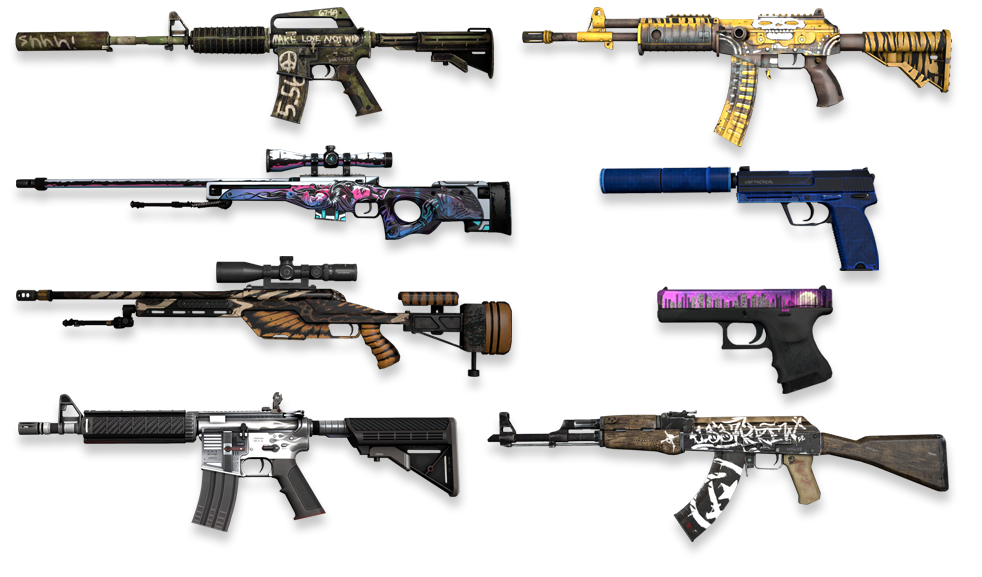






If you look at the raw data, the daily volume of digital weapon finishes trading hands often eclipses the GDP of small island nations. The skins market in CS2 is a beast entirely of its own making. We aren’t just talking about a few bucks here and there for a cooler-looking AK-47; we are looking at a multi-billion-dollar ecosystem operating right under the noses of people who think Counter-Strike is just a tactical shooter.
When the game transitioned from Global Offensive, every single item carried over seamlessly. That massive transfer of wealth proved that Valve respects the digital property we’ve spent a decade accumulating.
We depart from the traditional idea that in-game cosmetics hold no real-world value. In our community, these items are highly liquid assets. Let’s break down exactly how this machine runs, where the money goes, and how you avoid getting burned when dealing with this economy. It takes a bit of time to learn the ropes, but once you understand the core mechanics, the skins market in CS2 makes perfect sense.
Anatomy of a digital asset
Every single weapon finish in the game drops with a specific set of parameters that dictate exactly what it is worth. These variables are locked in the moment the item is generated from a case, a weekly drop, or a trade-up contract. You cannot change them, and understanding them is the absolute baseline for interacting with the skins market in CS2.

We also have the trade-up contract system acting as the backbone of the economy. You take ten skins of the same rarity, roll the dice, and the game spits out one skin of the next rarity tier up.
This mechanic acts as the primary sink for cheap skins, constantly burning low-tier items out of existence to create higher-tier ones. This constant burning of supply creates a natural price floor, which is why the skins market in CS2 rarely sees items drop to literal zero.
Wear and float values
A hidden number between 0.00 and 1.00 is permanently assigned to the item upon creation. This dictates exactly how scratched or pristine the paint job looks. The paint does not degrade over time as you play with it in your matches. A Factory New knife will stay Factory New forever. Moreover, this creates a certainty in the skins market in CS2 for that item.
| Wear level | Float range |
| Factory New (FN) | 0.00 – 0.07 |
| Minimal Wear (MW) | 0.07 – 0.15 |
| Field-Tested (FT) | 0.15 – 0.38 |
| Well-Worn (WW) | 0.38 – 0.45 |
| Battle-Scarred (BS) | 0.45 – 1.00 |
The market relies heavily on these precise float values because collectors will overpay massively for edge cases. Someone might pay triple the normal price for a skin with a float of 0.00001 just to have the lowest float in existence. Knowing how to check these numbers is how you find hidden gems.
Pattern indexes and the blue gem hunt
A number from 1 to 999 determines how the texture template is slapped onto the 3D model of the gun or knife. For a lot of items, this does not matter at all. An AK-47 Redline looks like a Redline regardless of the pattern index. But for Case Hardened, Fade, or Doppler finishes, this number means everything.
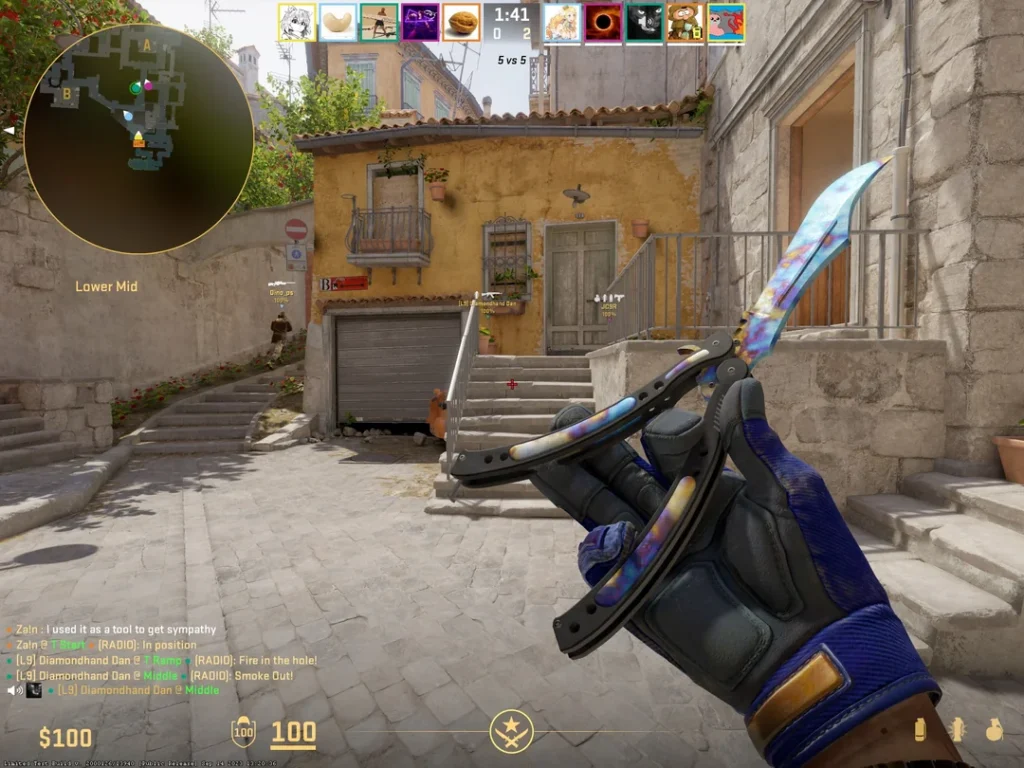
These rare patterns, known as “Blue Gems,” are the holy grails of the skins market in CS2. A Factory New Karambit Case Hardened with pattern #387 is entirely blue on the play side, and its estimated value is north of $2.5 million. The general player base might not realize why two visually similar knives have a massive price gap, but veterans of the skins market in CS2 know exactly what to look for when inspecting these items.
Stickers and applied modifiers
Slapping a tournament sticker onto a gun permanently ties that physical item’s value to the weapon. If you put an extremely rare Titan Holo from Katowice 2014 onto a cheap P250 Sand Dune, the gun is now worth significantly more than its base price on the skins market in CS2. However, it will never be worth the price of the unapplied sticker itself, which for a Titan Holo sits around $110,000.
The general rule of thumb in the skins market in CS2 is that an applied sticker adds about 5% to 10% of its unapplied value to the gun. Crafting a matching setup is a huge part of custom loadouts, and players will actively hunt down older weapons that have expensive stickers already applied to save money.
A glimpse into the consumer mindset
Most of us just want a cool loadout to show off in Premier matchmaking. Players are constantly chasing the dopamine hit of opening a case or buying that perfect skin to match their favorite pro player.
The skins market in CS2 is driven heavily by trends, pro-play visibility, and sheer aesthetics.
Popular cases to open right now
When players load up the game and decide to gamble a few bucks, they usually target cases that offer the best return on investment or the most hyped new finishes. In essence, none of the skins market in CS2 would be where it is if it wasn’t for these cases. They often offer the “ground zero” for future investments and trading.
Kilowatt Case: The very first case released natively for Counter-Strike 2. It introduced the Kukri Knife and the first-ever skin for the Zeus x27 (Olympus). It is insanely popular because the Covert drops look amazing in the new lighting engine.
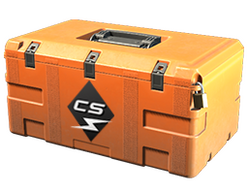
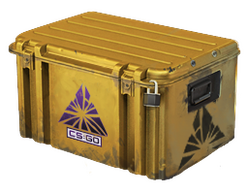
Dreams & Nightmares Case: A massive hit for knife hunters. It gives you relatively affordable access to Butterfly Knives with Gamma finishes. The slim chance to pull a Butterfly Knife Gamma Doppler Emerald is what keeps people cracking these open.
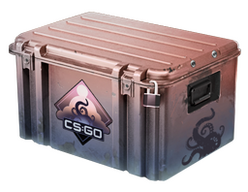
Fracture Case: A budget-friendly option. At under $0.40 a case, it drops the highly sought-after Skeleton Knife and the clean-looking Desert Eagle Printstream.
High-demand skins and their price tags
To give you an idea of what everyday players and high-end collectors are actually buying on the skins market in CS2, here is a snapshot of current in-demand items:
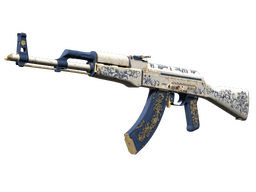
AK-47 | Inheritance (Factory New): ~$150. Clean, royal blue and white porcelain aesthetic. Extremely popular right now.
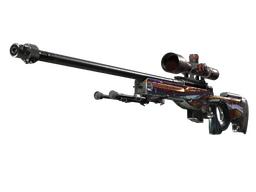
AWP | Chrome Cannon (Factory New): ~$120. A futuristic, color-shifting sniper that shows off the new game engine’s lighting perfectly.
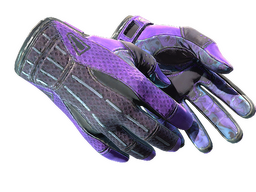
Sport Gloves | Pandora’s Box (Field-Tested): ~$5,000+. The ultimate flex for handwear. Full purple pattern that pairs beautifully with Doppler knives.
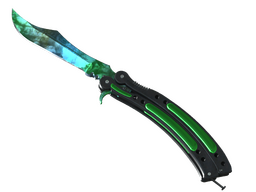
Butterfly Knife | Gamma Doppler (Phase 4, Factory New): ~$2,500. The flashy animations combined with a bright lime finish make it a top-tier play knife.

Where the actual money moves
You have two main paths when you want to buy, sell, or trade. One is safe but traps your cash, and the other is where the real economy lives. We generally stay away from Valve’s official storefront if we are dealing with high-tier items, but both systems are crucial to the overall health of the skins market in CS2.
The Steam Community Market trap
Valve’s built-in system on the skins market in CS2 automatically takes a hefty 15% cut of every single transaction. You list your M4A4, someone buys it, and the funds go straight to your Steam Wallet. The catch is that this money is entirely locked inside the platform. You cannot wire that money directly to your checking account.
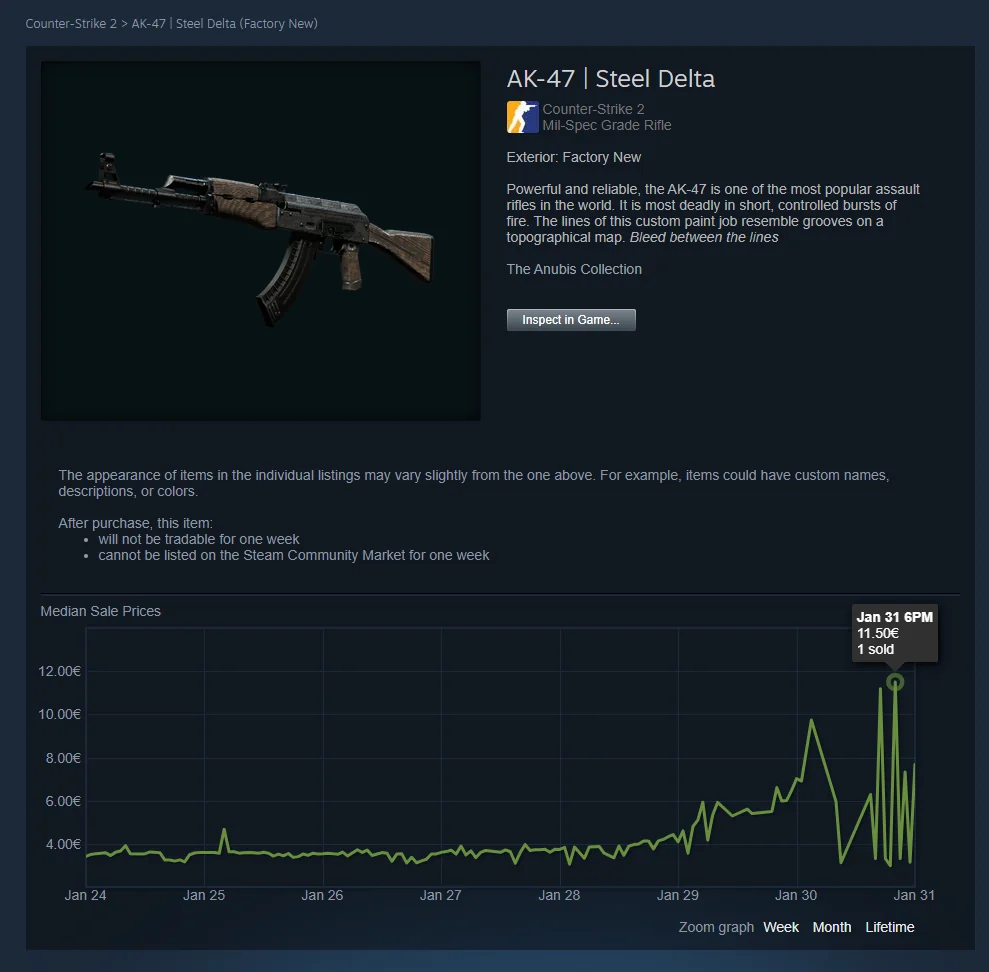
Because of this trapped liquidity, prices on the official market are consistently inflated by 20% to 30% compared to their actual real-world cash value. If you check the skins market in CS2 using only Steam prices, you are looking at monopoly money.
Third-party cashout sites and peer-to-peer trading
Real cash trades happen exclusively on external sites that allow you to link a bank account or crypto wallet. These platforms take a much smaller fee, usually between 2% and 12%, making them highly appealing.
You list the item on the third-party site but physically keep it in your own Steam inventory. When a buyer pays the site, you send the item directly to the buyer’s Steam account via a trade offer. The site verifies the trade via Valve’s API and releases the real cash to your balance. This system remains the only viable way to extract actual cash from the skins market in CS2.
The rules of the trade
Valve actively dictates the flow of the entire economy of the skins market in CS2 through a series of strict restrictions. Every time they change a rule to combat scammers or automated bot networks, the community has to shift tactics to accommodate it.
The seven-day hold
Whenever an item lands in your inventory through a trade or a purchase, it is locked to your account for exactly seven days. You can equip it and play with it immediately in your matches, but you cannot trade it to another player or sell it on the community market until that timer hits zero.
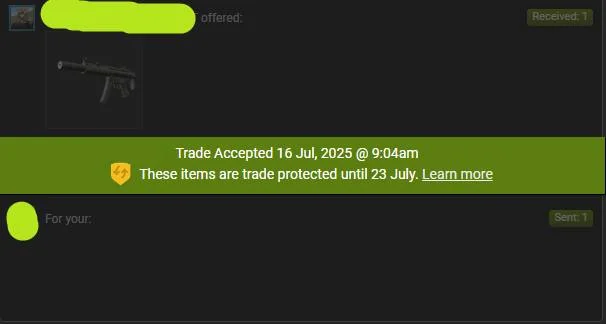
This helps avoid any potential suspicious item movement and offers a time-period where they user can think about what they want to do with the item.
Inventory visibility and dodging scrapers
Newly traded items are completely hidden from public view for ten days. If you unbox a crazy knife today, nobody else can see it in your inventory or inspect it in-game via a link.
Valve implemented this delay to blind automated bots that aggressively scrape public inventories looking for massive unboxes. It protects the integrity of the ecosystem by giving new owners time to research their items in peace.
How to approach the market
Jumping into the skins market in CS2 can feel like walking into a casino where everyone speaks a different language. If you want to build a cool inventory without losing your shirt, here is how you do it:
- Never unbox cases for profit: The house always wins. The average return on investment for opening a case is roughly 50% to 60%. If you want a specific skin, just buy the skin directly. It is always cheaper in the long run.
- Use third-party sites for big purchases: If you are buying a $500 knife, do not fund your Steam Wallet and buy it on the community market. Go to a reputable third-party peer-to-peer site. You will pay cash, but the knife will likely cost you 25% less than the Steam price.
- Ignore random friend requests: If you have a public inventory with anything worth more than $50, bots and scammers will add you. They will offer you incredible trades, ask you to vote for their competitive team, or send you links to fake cashout sites. Block them all.
- Understand liquid vs. illiquid items: An AK-47 Redline is a liquid item. It sells in five minutes because everyone wants one. A StatTrak Well-Worn Falchion Knife Safari Mesh is incredibly illiquid. You might wait weeks to find a buyer. Keep this in mind when trading.
The overall health of the skins market in CS2 is fundamentally tied to the popularity of the game itself. If you are just getting into this space, buy what you actually want to play with. If it goes up in value over a few years, that is just a fantastic bonus when you finally decide to cash out.
