




Italy stands as one of the oldest hostage rescue maps in the Counter-Strike franchise. From the echoing opera music in the spawn to the tight cobbled streets, this location has retained its quirky identity for over two decades.
The map recently received a complete ground-up remake in CS2. Valve developers utilized the new engine to completely rebuild the geometry and lighting, directly addressing decades-old gameplay imbalances while expanding the playable space.
The origins of the Italy map
The original Italy layout was conceptualized by level designers Glen Cooper and Jaison Green during the early Half-Life mod days. They wanted to create a European town with verticality and distinct audio cues, setting it apart from the flat, industrial environments of the era and maps like Nuke or Train. The location quickly became famous for introducing two staple features to the franchise.
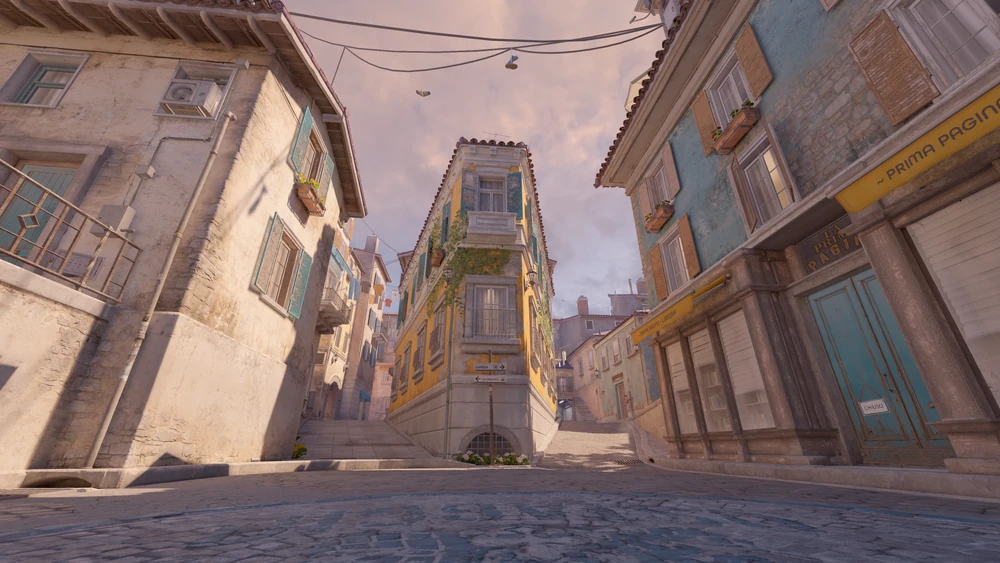
Players first encountered the interactive radio playing classical music here, and the map introduced the very first chickens to the game. These early poultry additions laid the mechanical foundation for the game’s most recognizable interactive mascot. Moreover, players immediately gravitated toward the narrow alleys and the central market, establishing a chaotic yet beloved run-and-gun playstyle that defined early server browsers.
Fixing the choke points in CS2
Historically, the layout of Italy suffered from extreme Terrorist-side bias. The Terrorist team spawns adjacent to the hostage building, allowing them to establish defensive crossfires long before the Counter-Terrorists can cross the map. The old pathways, specifically Apartments and Middle, were incredibly narrow and featured low ceilings. These tight corridors made it nearly impossible for Counter-Terrorists to effectively use flashbangs or smoke grenades to break defensive lines.
More importantly, pushing up the steep hill from the Counter-Terrorist spawn often resulted in an immediate sniper duel where the defenders held a massive positional advantage.
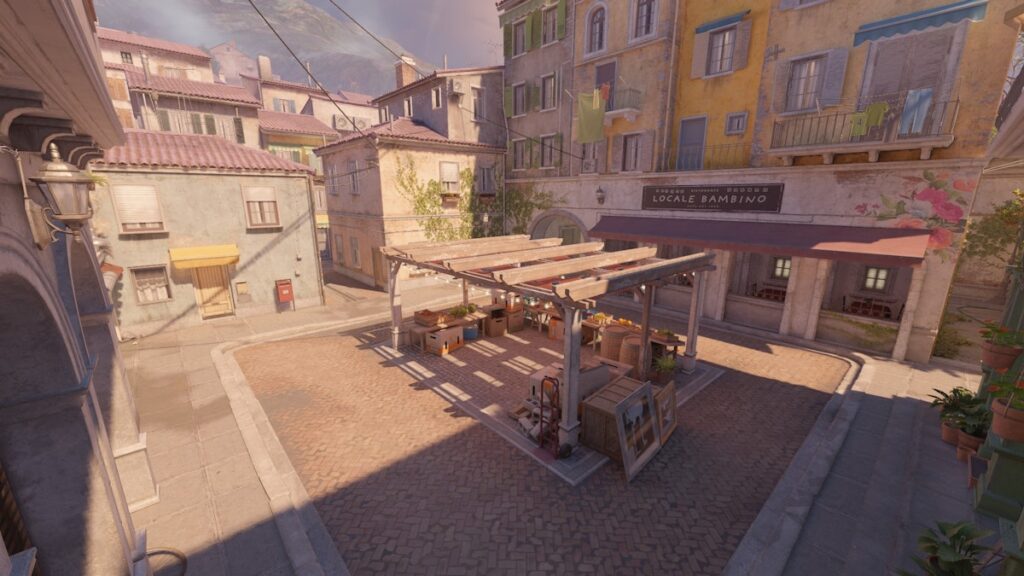
The CS2 overhaul drastically altered these zones. The Apartments area was expanded with new connecting rooms and wider staircases, giving attackers more room to clear corners without walking directly into a shotgun trap. Additionally, the skyboxes above Middle and Market were removed. This structural change finally allows Counter-Terrorists to execute coordinated grenade throws from their spawn directly into key Terrorist holding positions. You will probably never see this map on any of the CS2 tournaments, but the community absolutely adores it.
Essential callouts for Italy
Communication remains just as vital in casual hostage rescue as it does in competitive defusal. Proper callouts exist, no matter the map or the mode you are playing. Learning the terminology helps secure the perimeter and safely extract the VIPs.
| Callout Name | Description | Location Significance |
| Long | The main, straight pathway on the right side of the map. | Primary sniper duel location. |
| Market | The open square filled with fruit stands and bright lighting. | Essential for mid-map control and utility usage. |
| Apartments | The elevated indoor pathway overlooking Market. | Crucial for flanking and avoiding the Long sightlines. |
| Wine Cellar | The lower pathway leading toward the hostages. | A sneaky route to bypass Market defenders. |
| Boiler | The small room connecting Long and Apartments. | A notorious hiding spot for close-quarters combat. |
A localized piece of Counter-Strike history
While hostage rescue mode transitioned out of top-tier professional play after the early 2000s Cyberathlete Professional League tournaments, the map itself remains a vital part of the game’s DNA. Today, Italy serves as a premier battleground for Deathmatch and Casual game modes.
The Source 2 update meticulously preserved the interactive elements that built its reputation, including the destructible watermelons in the market and the operatic tenor of E il sol dell’anima playing from the radios. By maintaining these quirky details while fixing the fundamental geometry, developers ensured that Italy remains both functionally playable and historically intact. It stands as a perfect example of how Valve can successfully modernize a nostalgic classic without stripping away the soul that made it famous in the first place.
