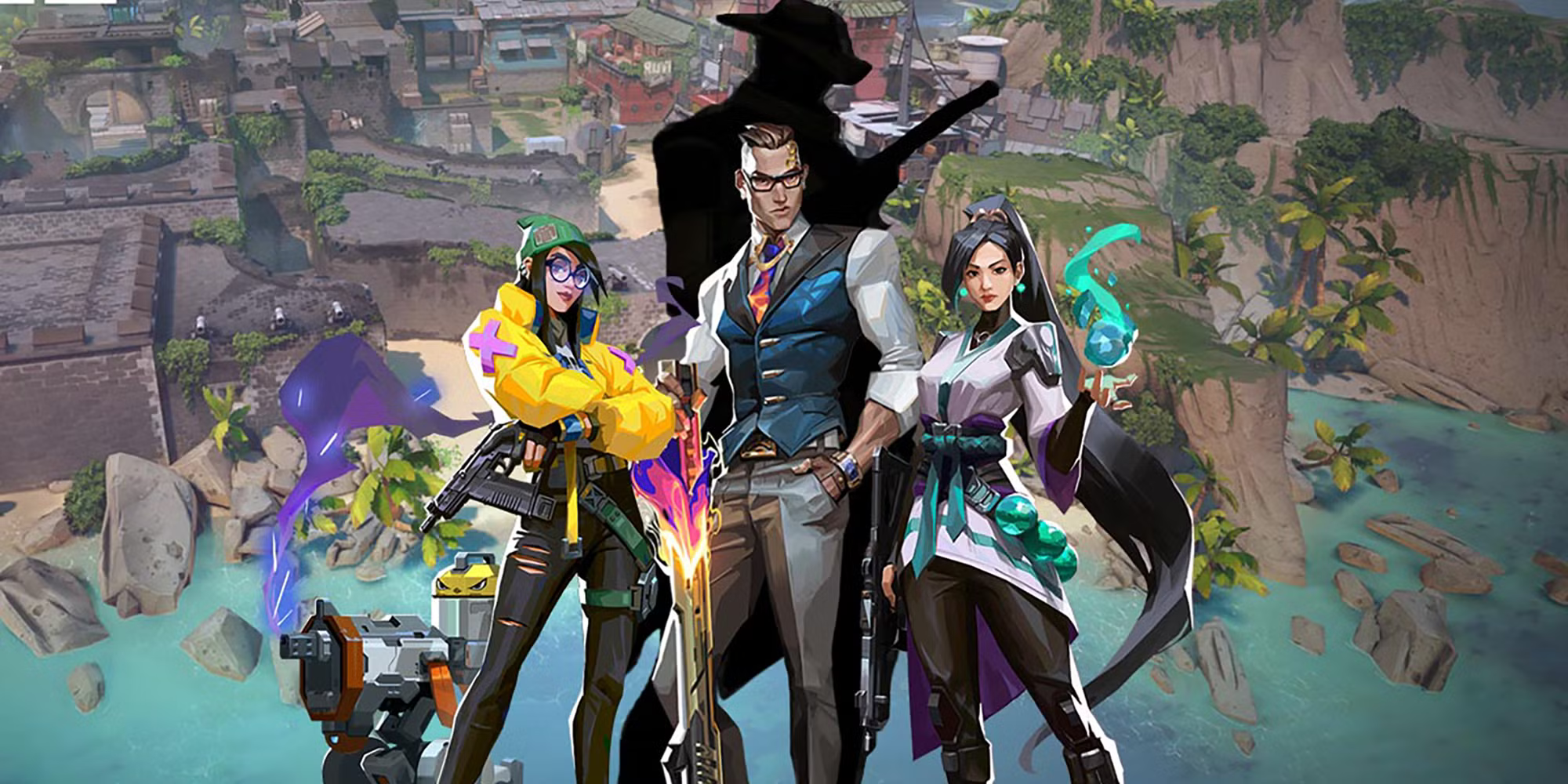






Valorant sentinels are defensive experts who lock down areas and prevent enemy flanks. By using gadgets like cameras, turrets, and tripwires, these agents provide the necessary security to allow their team to focus on the objective without the threat of a backstab.
In the high-stakes tactical shooter, sentinels are the architects of the defense. While duelists may take the highlight reels, it is the sentinel who decides which parts of the map are safe to occupy. Their primary role is to “anchor” sites, gather passive intelligence, and protect the team from lurking opponents. By utilizing an array of specialized gadgets, sentinels agents transform a standard site hold into an impenetrable fortress.
Choosing to play as one of the many defensive agents means taking on the responsibility of the “babysitter.” You aren’t just holding a site; you are maintaining the “intelligence network” of your team. Without a competent player on sentinels, a team is forced to play with constant anxiety, checking every corner for a flank that could have been easily spotted by a simple trap or camera.
Every sentinel agent in Valorant
The roster of sentinels has evolved significantly, offering everything from tech-heavy trap masters to aggressive marksmen. According to the official Valorant Agents roster, the current lineup includes:
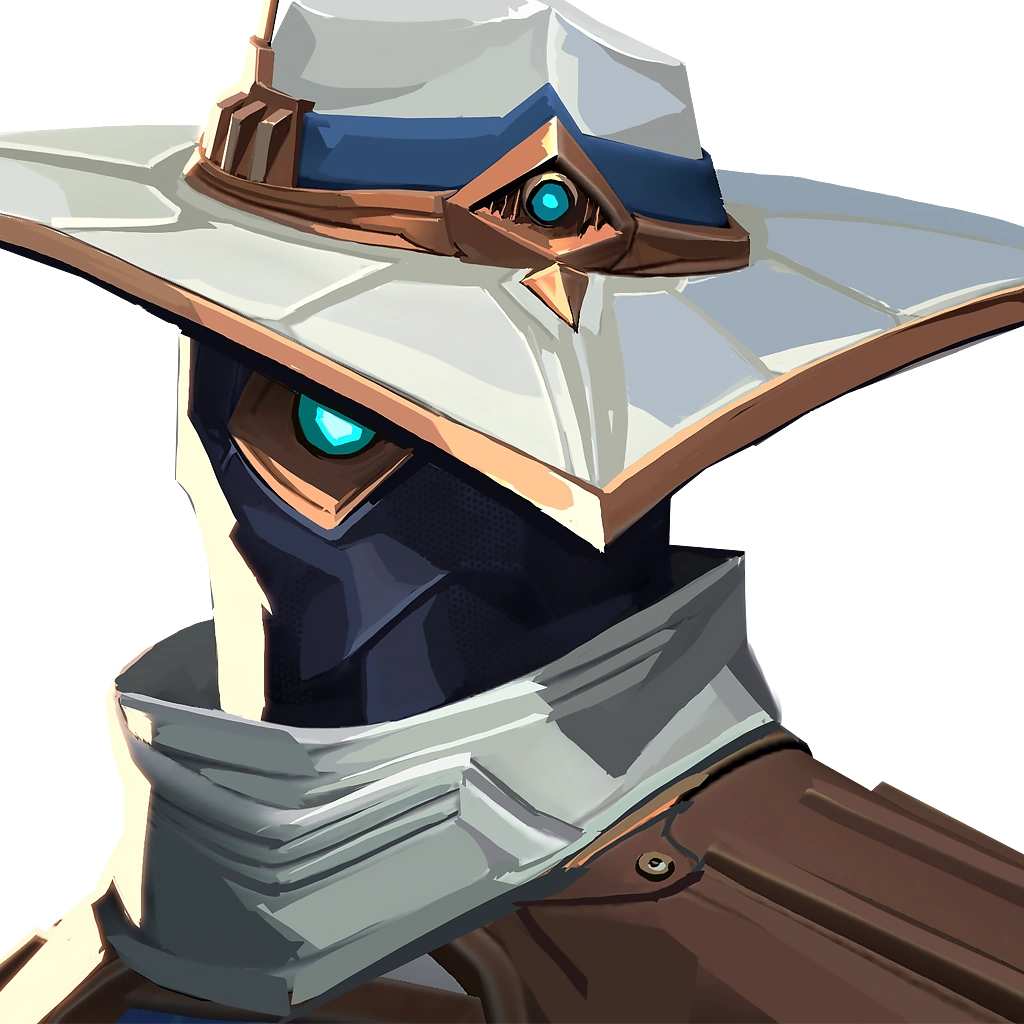
Cypher: The surveillance expert. He is the king of information, using Spycams and Trapwires to monitor multiple areas at once.

Killjoy: The defensive engineer. Her Turret and Nanoswarm grenades provide autonomous area denial, making her excellent for solo site holds.

Sage: The barrier specialist. Though she lacks info tools, her wall and slows are unparalleled at physically stalling an entire team.

Chamber: The sharpshooter. A unique pick in this role, as he relies on raw aim and a personal teleport to hold aggressive off-angles.

Deadlock: The reactive staller. Her utility, like the Barrier Mesh, is designed to instantly stop a fast-moving execute in its tracks.
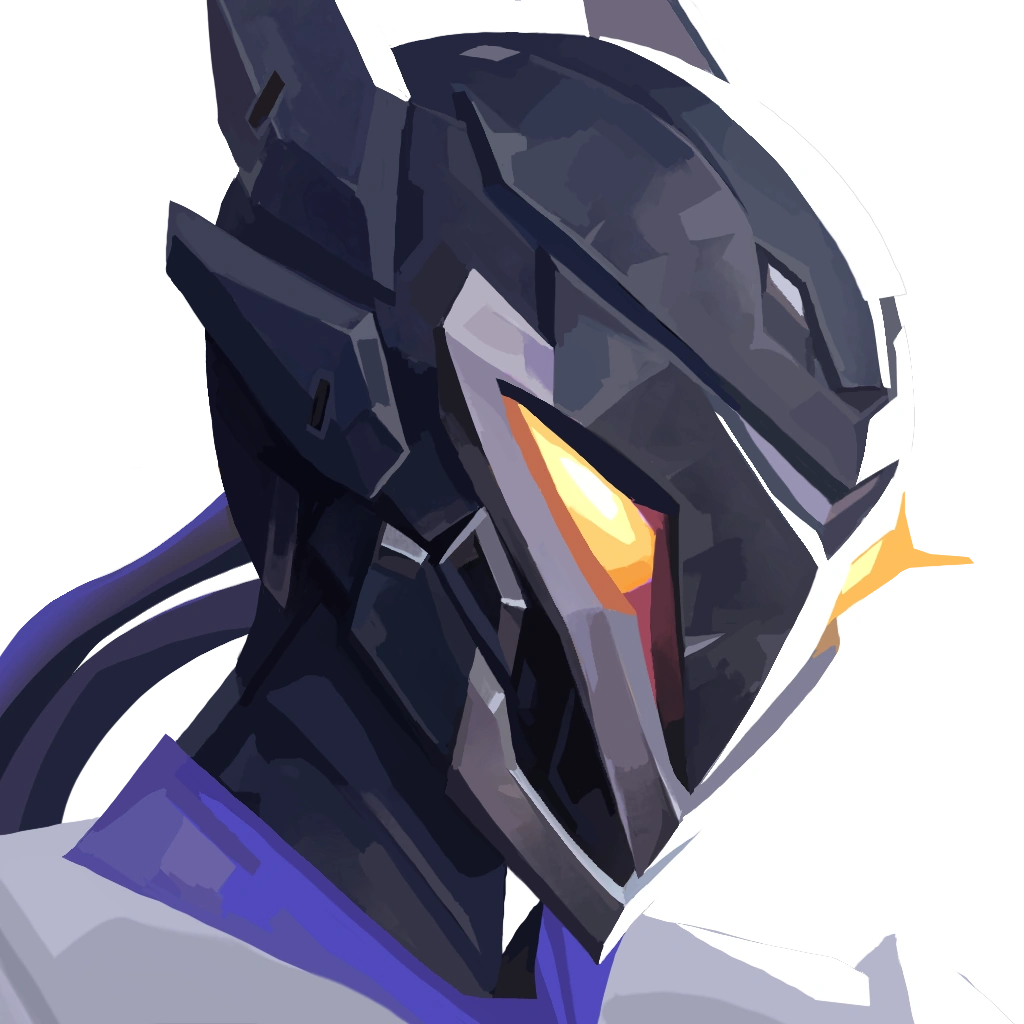
Vyse: The metallic mastermind. A newer addition whose traps manipulate the terrain, forcing enemies to “bait out” utility before they can even think about hitting a site.
To see how these defensive anchors currently stack up in the competitive meta, check out our latest Valorant agent tier list.
The ranking challenge: Who is the best sentinel?
Determining which of the sentinels agents is “best” often depends on your playstyle – whether you want to support your team with info or carry through solo frags. A recent in-depth experiment involved attempting to win a ranked match with every agent in the category to see which ones actually perform under pressure.
As highlighted in the video above, the experience of playing sentinels can be a “babysitting simulator.” The analysis rated each agent based on Team Value, Solo Value, and Fun Level:
- Chamber: Received a 10/10 for solo value but only a 5/10 for team value. He is incredibly fun for players with high mechanical skill but offers very little passive support for the rest of the team.
- Cypher: Consistently ranked as one of the best for ranked because his team value is a 10/10. Even if his “fun level” is lower for some, the amount of info he provides is unmatched.
- Vyse: Rated high for team value (8/10) due to her “overtuned” thorns utility, which currently has very little counterplay, making her a frustrating but effective obstacle for attackers.
Key responsibilities of the sentinel role
Mastering the various defensive agents requires a shift in mindset from “how do I get kills?” to “how do I keep my team safe?”
- Information Gathering: Superior info-gathering is what separates an average defender from an elite one. Establishing an “Intelligence Network” – as shown in the Cypher tactical setup below – allows your team to prepare responses seconds before the enemy even reaches the site.
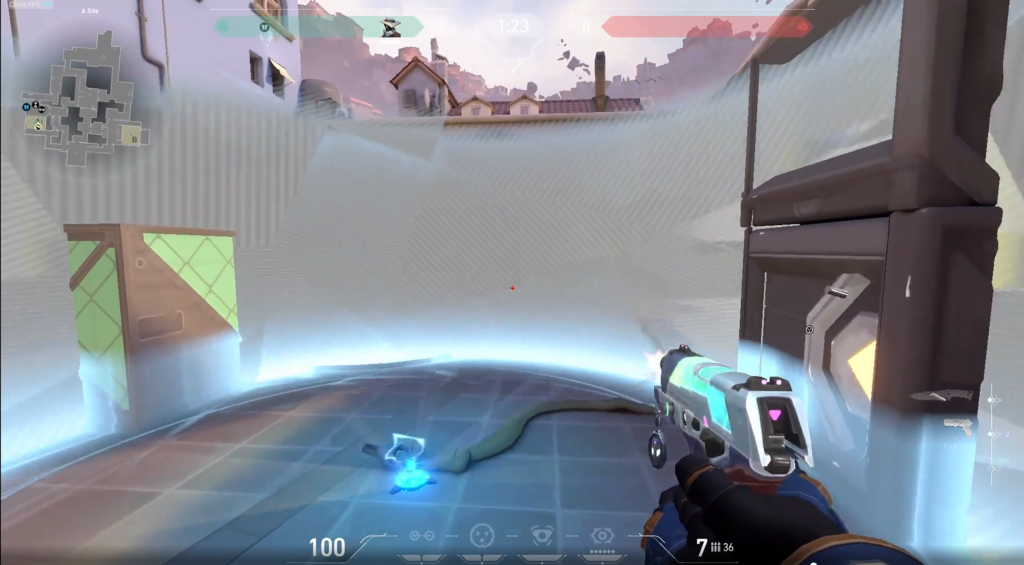
- Stalling the execute: Your job is to be the primary obstacle between the enemy and a plant. Using utility like Killjoy’s Lockdown or Sage’s Barrier Orb creates extended windows for your team to rotate.
- Flank watch: One of the most important defensive tips is to never get lazy with your flank utility. A single missed tripwire from one of your sentinels agents can result in a lost round for the entire team.
To maintain a competitive edge, it is vital to keep up with the official Valorant Patch Notes. Small nerfs to trap visibility or cooldowns can completely change which agents are viable on maps like Haven or Split.
Technical optimization for sentinels
Because placing traps often requires pixel-perfect precision, your technical setup is just as important as your game sense. High-level players optimize their gear to ensure they can place a cage or a wall instantly.
- Minimap Settings: Ensure your minimap is zoomed out to see your entire utility range. By adjusting these settings you can see exactly when your traps are tripped on the other side of the map.
- Sensitivity: A balanced sensitivity is key for landing precise Sage walls or Chamber Headhunter shots. Check out our Valorant crosshair codes guide for pro-level setups.
- Equipment: A high-polling rate mouse is essential for the rapid reaction time needed to teleport as Chamber. Pair your setup with the best weapons from our Valorant gun tier list.
FAQ: Valorant sentinels
Who is the easiest sentinel for beginners?
Sage and Killjoy are the most beginner-friendly. Sage’s wall is intuitive for blocking paths, and Killjoy’s turret provides value even if you aren’t actively fighting.
Does Cypher or Killjoy provide better info?
It depends on the map. Cypher’s camera provides visual intel, while Killjoy’s alarmbot and turret provide audio pings. Generally, Cypher is better for wide, open maps, while Killjoy excels in tight, corridor-heavy maps.
Why is Chamber considered a sentinel?
Chamber is a sentinel because his Trademark trap provides flank watch, and his teleport allows him to “anchor” a site with aggressive angles that other roles cannot safely take.
What is the “90% movement rule” for sentinels?
Similar to other roles, sentinels gameplay is often 90% movement and positioning. Because your life is valuable for the late-game info, you must prioritize staying alive over taking “flick-heavy” aim duels.
