





The CS2 tournament scene is constantly evolving, and can be hard to keep track of. In this article, we take a look at the highlights of the year and what you can look forward to in the year to come.
Before we dive into the details, here is a quick look at the absolute must-watch CS2 tournaments on the horizon this year.
| Event | Location | Dates |
| IEM Kraków 2026 | Kraków, Poland | Jan 28 – Feb 8 |
| PGL Cluj-Napoca | Cluj-Napoca, Romania | Feb 14 – Feb 22 |
| ESL Pro League S23 | Stockholm, Sweden | Mar 13 – Mar 15 |
| BLAST Rivals Spring | Fort Worth, USA | Apr 29 – May 3 |
| IEM Cologne Major | Cologne, Germany | Jun 2 – Jun 21 |
| Esports World Cup | Riyadh, Saudi Arabia | Aug 19 – Aug 23 |
| PGL Major Singapore | Singapore | Nov 25 – Dec 13 |
The New Meritocratic Era of Counter-Strike
The professional scene has moved into a period defined by math and merit. Valve decided to pull the plug on the old partnership models, which means organizations can no longer buy their way into the elite circle. Every point counts now. We see teams traveling to smaller LAN events just to farm points for the Valve Regional Standings. This system ensures that the 32 teams we see at the Majors are actually the best in the world at that moment.
If you want to know which events matter the most for the global hierarchy, the premier CS2 tournaments with S-Tier status are your primary focus. These events provide the highest multipliers for the rankings, and missing just one or two can cause a top ten team to slide into obscurity. It is a brutal cycle, but it brings a level of fairness we have wanted for years.
You can see the entire Tier-1 CS2 tournaments calendar for 2026 here.
Winter Flagships: A Polish Transition
For years, Katowice was the center of the winter universe. In 2026, we are witnessing a massive shift as the winter championship moves to the TAURON Arena in Kraków. While some fans might miss the Spodek, the move to a larger venue allows more of you to witness the intensity in person.
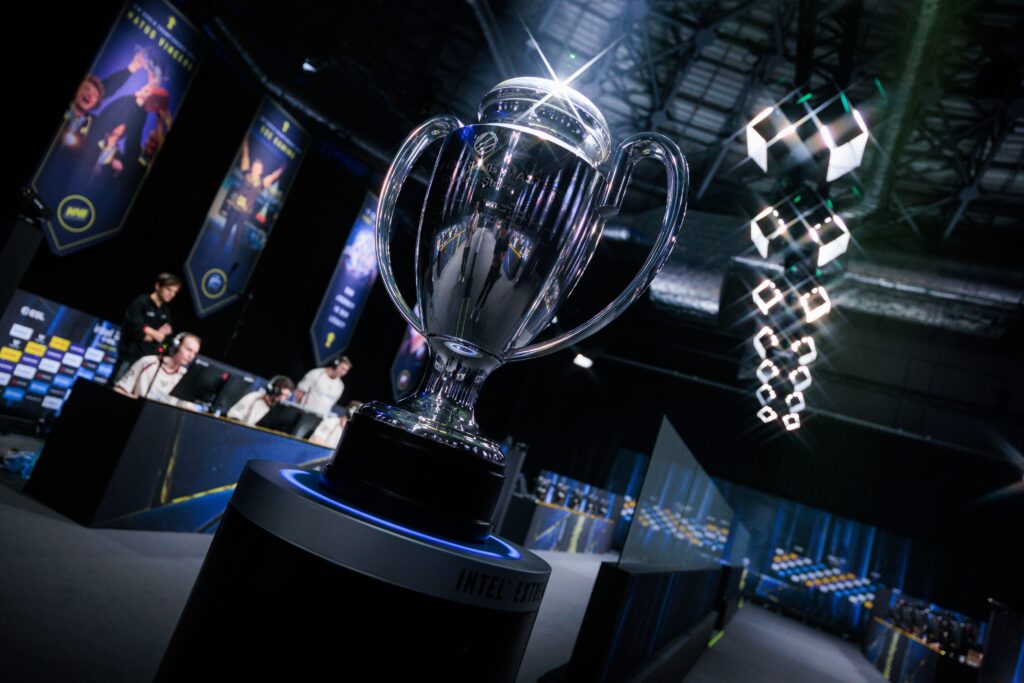
IEM Kraków 2026 remains a marathon of skill. It starts with a 16-team play-in, leading to a group stage where the world’s top eight seeds finally join the fray. The grand final stays true to tradition with a best of five series. This format is the ultimate test of a team’s map pool and mental stamina. Shortly after the Polish trophy is lifted, we head to Romania for PGL Cluj-Napoca. This event serves as a critical secondary anchor for the CS2 tournaments’ winter season, offering another massive prize pool and vital ranking points.

BLAST Innovation: Bounties and Rivals
We have to give credit to BLAST for trying something different in 2026 with their CS2 tournaments. They have split their circuit into three distinct flavors: Bounty, Open, and Rivals.
The BLAST Bounty format is particularly spicy. In this 32-team event, every team has a literal price on their head based on their ranking. If a team wins a match, they pocket half of their opponent’s bounty immediately. The other half gets added to their own value. This creates a hunt where underdogs have a massive financial incentive to take down the giants.
BLAST Open events represent the big arena shows we have come to love. These feature 16 teams, with some coming through regional qualifiers called The Risings. On the other hand, BLAST Rivals is the most exclusive club in the game. Only the top eight teams on the planet get the call. This is where the best of the best settle their scores on a pure LAN stage, usually ending in a best of five brawl that defines the season.
The Evolution of the ESL Pro League
The ESL Pro League remains the longest-running league in the scene, but it has shed its old skin to stay relevant. For Season 23, we saw the playoffs return to Stockholm at the Annexet arena. However, the real change happens in Season 24.
ESL has decided to trim the fat for the fall season. They have reduced the team count to 16 and moved the entire competition to a LAN setting in Katowice. This move ensures that players do not have to spend a month in a studio. It packs the action into two weeks of high-pressure matches. Every series in the Pro League now contributes to the Intel Grand Slam, where a team can win a million-dollar bonus for taking home four major trophies in a rolling window.
The Cathedral Becomes a Major
If there is one date you must circle on your CS2 tournaments calendar, it is June 2. For the first time in a decade, the Intel Extreme Masters Cologne is a Valve Major. We call Cologne the Cathedral of Counter-Strike for a reason. The atmosphere in the LANXESS Arena is unlike anything else in the world.
The 2026 Cologne Major features an expanded 32-team format. This expansion allows more regions to show their strength on the biggest stage. We expect over 50,000 fans to flood the city during the final four days of the playoffs. Winning in Cologne has always been a career-defining moment, but winning a Major in the Cathedral is the kind of legacy that lives forever. We will see names like s1mple and donk trying to add their chapters to a history book that already includes the greatest highlights ever recorded.
Breaking Ground in Singapore with CS2 tournaments
As the year winds down, we are heading to Southeast Asia for the PGL Major Singapore. This is a historic milestone for the community. While Europe has always been the heart of the game, the passion in Asia is undeniable.
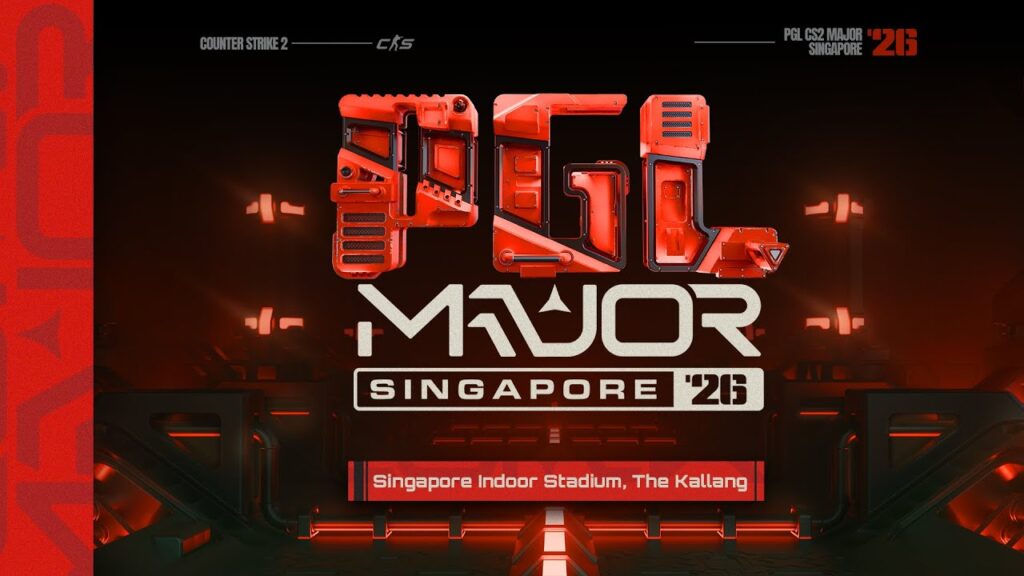
The Singapore Indoor Stadium will host the final stages of the second Major of the year. With 32 teams competing for a massive prize pool, this event represents the final boss of the 2026 season. The shift to Asia shows that Valve and organizers are committed to making Counter-Strike a truly global sport. For teams, this is the last chance to secure their spot at the top of the rankings before the winter break.
Frequent Flyers Program as an incentive
With such a packed schedule, player burnout is a real threat. To help with this, BLAST introduced the Frequent Flyers Program. This is a loyalty system that pays out millions of dollars to teams that consistently show up and perform. Teams earn tokens for attending events and reaching deep into the brackets. At the end of the year, those tokens turn into a cash bonus for winning and attending CS2 tournaments.
We also see a change in how the final days of events look. Gone are the days of silly showmatches that nobody really watched. Now, ESL and other organizers have introduced third-place deciders. Because every official match impacts the Valve Regional Standings, these third place matches are high stakes battles for points. Every round matters now, and that is exactly how professional Counter-Strike should be.
FAQ about CS2 Tournaments
How do teams qualify for the Majors in 2026?
Teams qualify solely through the Valve Regional Standings based on their performance throughout the year.
What is the prize pool for a 2026 Major?
Both the Cologne and Singapore Majors feature a total prize pool of 1.25 million dollars.
Why did IEM move from Katowice to Kraków?
The move allows for a larger arena and a fresh chapter for the winter championship in Poland.
What makes the BLAST Bounty format different?
Teams win immediate cash prizes by defeating opponents and claiming the bounties on their heads.


