


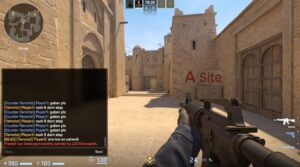

We know that feeling when you close a tight match on Mirage and immediately pull up the scoreboard. You want to see if your impact matched your effort, but the basic kill count rarely tells the whole story. This is why a deep understanding of CS2 stats is your greatest asset for individual growth. At Pley.gg, we have watched the game change from the old engine to this new era. We see that the numbers matter more than ever. We want to move beyond surface-level K/D ratios and look at the metrics that top-tier analysts and professional coaches actually use to find the next superstar.
If you are serious about climbing the Premier ladder or moving into league play, you have likely noticed that HLTV recently made a massive move by replacing the long-standing Rating 2.0 with the more advanced Rating 3.0. This shift addresses the MR12 format and the evolving ways teams approach the economy. We are here to help you decode these numbers so you can identify exactly where your game needs work. By mastering the nuances of your CS2 stats, you can stop guessing why you are stuck in a specific rank and start playing with surgical precision.
Quick Performance Benchmarks in CS2 stats
We want to give you the data upfront. Use these tables to see where your current performance sits compared to the rest of the community and the professionals.
| Premier Color | Rating Range | Playerbase % | Equivalent CS:GO Rank |
| Gray | 0 – 4,999 | 16.8% | Silver I – Gold Nova I |
| Light Blue | 5,000 – 9,999 | 36.8% | Gold Nova II – Master Guardian I |
| Blue | 10,000 – 14,999 | 31.2% | Master Guardian II – Legendary Eagle |
| Purple | 15,000 – 19,999 | 12.0% | LEM – SMFC |
| Pink | 20,000 – 24,999 | 1.6% | Supreme – Global Elite |
| Red | 25,000 – 29,999 | <0.1% | High-Level Semi-Pro |
| Yellow | 30,000+ | <0.1% | Professional Level |
| Performance Metric | Weak / Needs Work | Average / Solid | Elite / Pro Tier |
| ADR (Damage) | Below 60 | 60 – 80 | 90+ |
| KAST (Consistency) | Below 60% | 62% – 70% | 70% + |
| Headshot % (Rifle) | Below 35% | 40% – 50% | 55% + |
| Rating 3.0 | Below 0.90 | 1.00 – 1.10 | 1.20 + |
The New Era: Rating 3.0 and Round Swing
HLTV recently retired the 2.0 system to launch Rating 3.0. This change brings two major features: Round Swing and Eco-Adjustment. We use Round Swing to see how much your actions actually change your team’s chance of winning. If you kill an enemy in a 5v5 situation, you earn more points than if you hunt a survivor in a 5v1. This is because the first kill swung the round in your favor by a huge margin, whereas the last kill barely registered on the probability scale.
Eco-Adjustment is the second pillar of Rating 3.0. Kills with lesser weapons like a Deagle or a Mac-10 now carry more weight than kills with an AWP against a weak buy. This system rewards players who find impact when the odds are against them.
Average Damage per Round: The Bedrock of Impact
While your friends might brag about their Kill/Death ratio, we believe that ADR is a much more honest representation of your value when looking at CS2 stats. ADR stands for Average Damage per Round. It tracks every bit of health you take from the enemy. This includes your rifle duels, your pistol taps, and your utility usage. We calculate this by taking your total damage dealt and dividing it by the total rounds played. It is a vital metric because it captures the impact of a player who chips away at the enemy but does not always get the final blow.
If you are looking for benchmarks, we consider anything between 80 and 90 ADR to be a solid performance for a rifler. Once you break the 90 ADR mark, you are entering the territory of a true carry. The elite tier is reserved for players who consistently hit 100 ADR or more. Take Danil “donk” Kryshkovets as the primary example. During his breakout year, donk maintained an ADR of over 105 at major tournaments. He essentially removes one full-health enemy from the server every single round.
Precision and Weaponry: The Headshot Game
We often get asked what a good headshot percentage looks like. The answer depends entirely on your role. If you are a dedicated AWP sniper, your headshot percentage will naturally be lower because you aim for the body. However, for a rifler, precision is everything. We expect a solid rifler to hover between 45% and 55%.
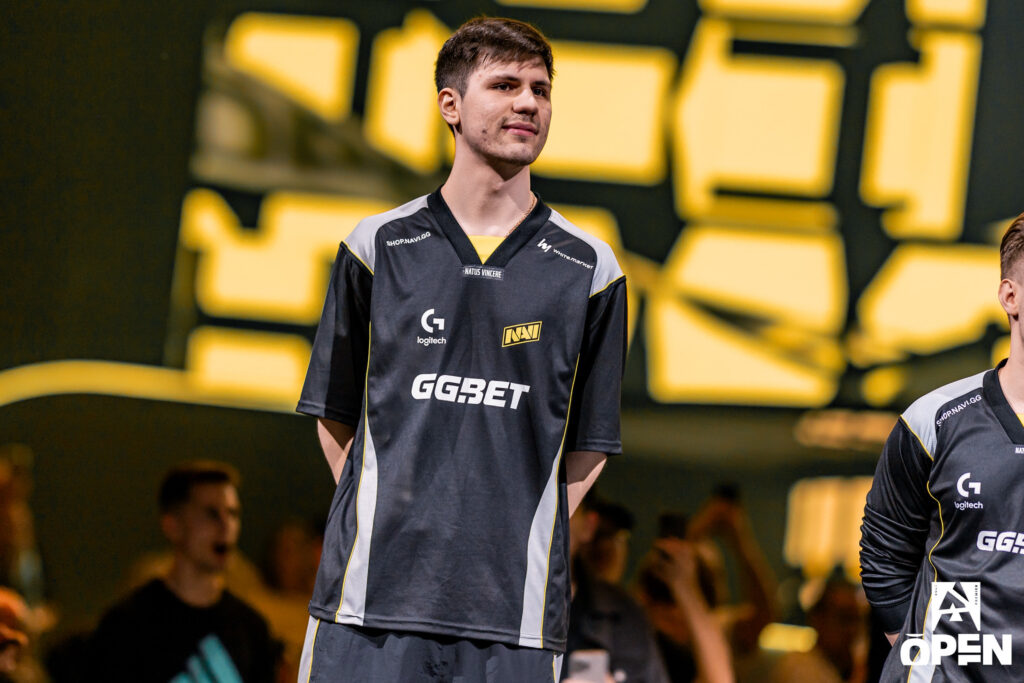
If you want to see what the absolute peak looks like, look no further than Valeriy “b1t” Vakhovskyi. He has maintained a career headshot percentage of over 65%. Another player who excels here is Twistzz, who often hits the 60% mark while maintaining incredible consistency. We noticed that headshot percentages increased slightly with the move to the new engine. This is likely due to the updated hitboxes and the way the game handles subtick registration.
The Professional Standards
We want you to see how the top players in the world stack up under the new Rating 3.0 system. Use this data to calibrate your own goals when evaluating your CS2 stats.
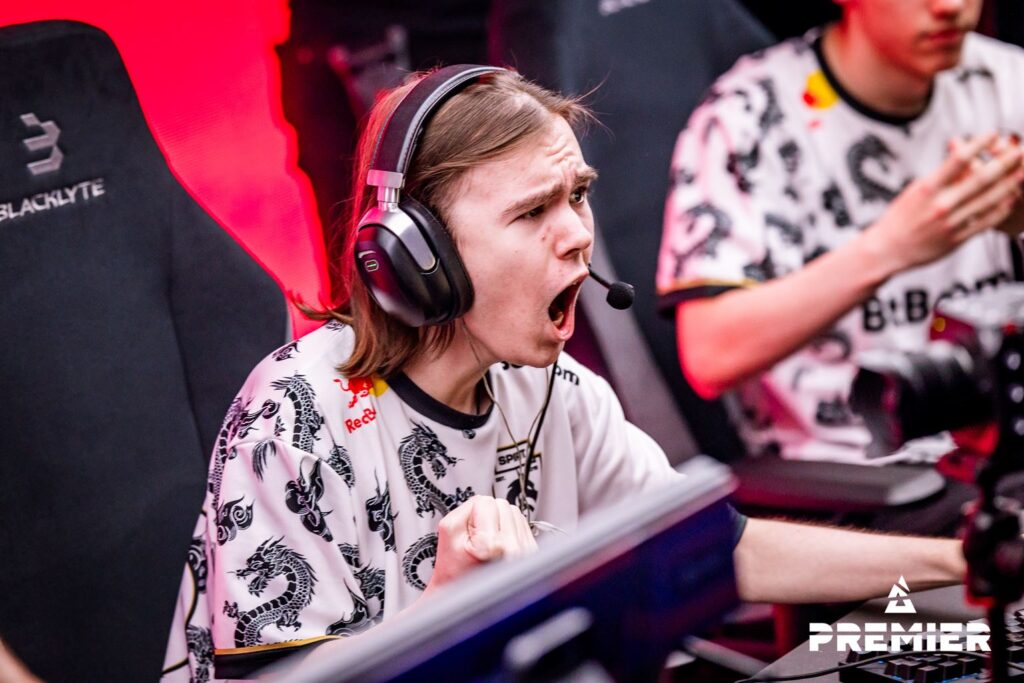
| Player Name | Rating 3.0 | ADR | Headshot % | Primary Role |
| donk | 1.41 | 93.7 | 61.1% | Entry Rifler |
| ZywOo | 1.32 | 83.1 | 43.5% | AWPer / Hybrid |
| m0NESY | 1.31 | 82.3 | 35.0% | Primary AWPer |
| Twistzz | 1.28 | 80.8 | 61.1% | Support / IGL |
| XANTARES | 1.27 | 91.0 | 54.0% | Entry Rifler |
Understanding the Highlighted Metric: CS2 stats
When you dive into your personal CS2 stats, remember that numbers are a tool for diagnosis. If you have a high rating but a low win rate, you might be getting “empty” kills that do not lead to round wins. Conversely, if your rating is lower but your win rate is high, you are likely doing the “dirty work” like entry fragging or solo-holding sites. We encourage you to use trackers like Leetify or Scope.gg to look at your “Time to Damage” or “Crosshair Placement” to find the mechanical gaps in your play.
Consistency Through KAST
KAST stands for Kills, Assists, Survived, or Traded. It measures the percentage of rounds where you contributed in at least one of these four ways. We use this to see how involved you are in your team’s success. A high KAST score, typically above 75%, indicates that you are a reliable piece of the puzzle. You are either winning your fights, helping your teammates win theirs, or being traded effectively.
Consistency is the quiet killer. A player with 25 kills but a 60% KAST is often less valuable than a player with 18 kills and an 80% KAST. The latter is rarely having an “empty” round. If your KAST is low, you are likely dying in isolated positions where your teammates cannot help you. We recommend sticking closer to your partner. Even if you die, if you are close enough to be traded, you still earn that KAST point and keep the man-advantage balanced. KAST is a very usable when measuring CS2 stats in order to find out if you are a good teammate or not.
Utility Usage and Hidden Impact
We want to highlight the metrics that do not always make the highlight reels but win championships. Utility Damage and Flash Assists are the secret weapons of the game’s best tactical minds. An IGL like karrigan or Aleksib might not top the fragging charts, but their utility usage creates the space their stars need to shine. A professional support player will often average 5 to 10 grenade damage per round. While that sounds small, doing 200 total utility damage in a map is effectively like getting two extra kills.
Flash efficiency is even more telling. We look at the “Enemies Flashed” metric to see how many seconds of blindness you are creating. A top-tier support player can average over 2.5 seconds of flash duration per round. If you are throwing flashes just to throw them, you are wasting resources. We recommend learning specific lineups that pop behind your teammates as they enter a site. This ensures you are blinding the defenders without hindering your own squad.
FAQs about CS2 stats
What is a good ADR in CS2?
A solid ADR is between 70 and 80, while elite carries consistently hit 90 or higher.
How does Rating 3.0 differ from previous versions?
Rating 3.0 introduces Round Swing and Eco-Adjustment to value kills based on round impact and weaponry to make the CS2 stats better.
What headshot percentage do pro players have?
Elite riflers like b1t average over 65% while the average professional rifler sits around 50%.
What is the most important stat for team impact?
ADR and KAST are generally more important than K/D as they show consistent damage and participation.
How do I check my utility damage?
You can press TAB and cycle the stats or use third-party trackers for detailed grenade breakdowns.
