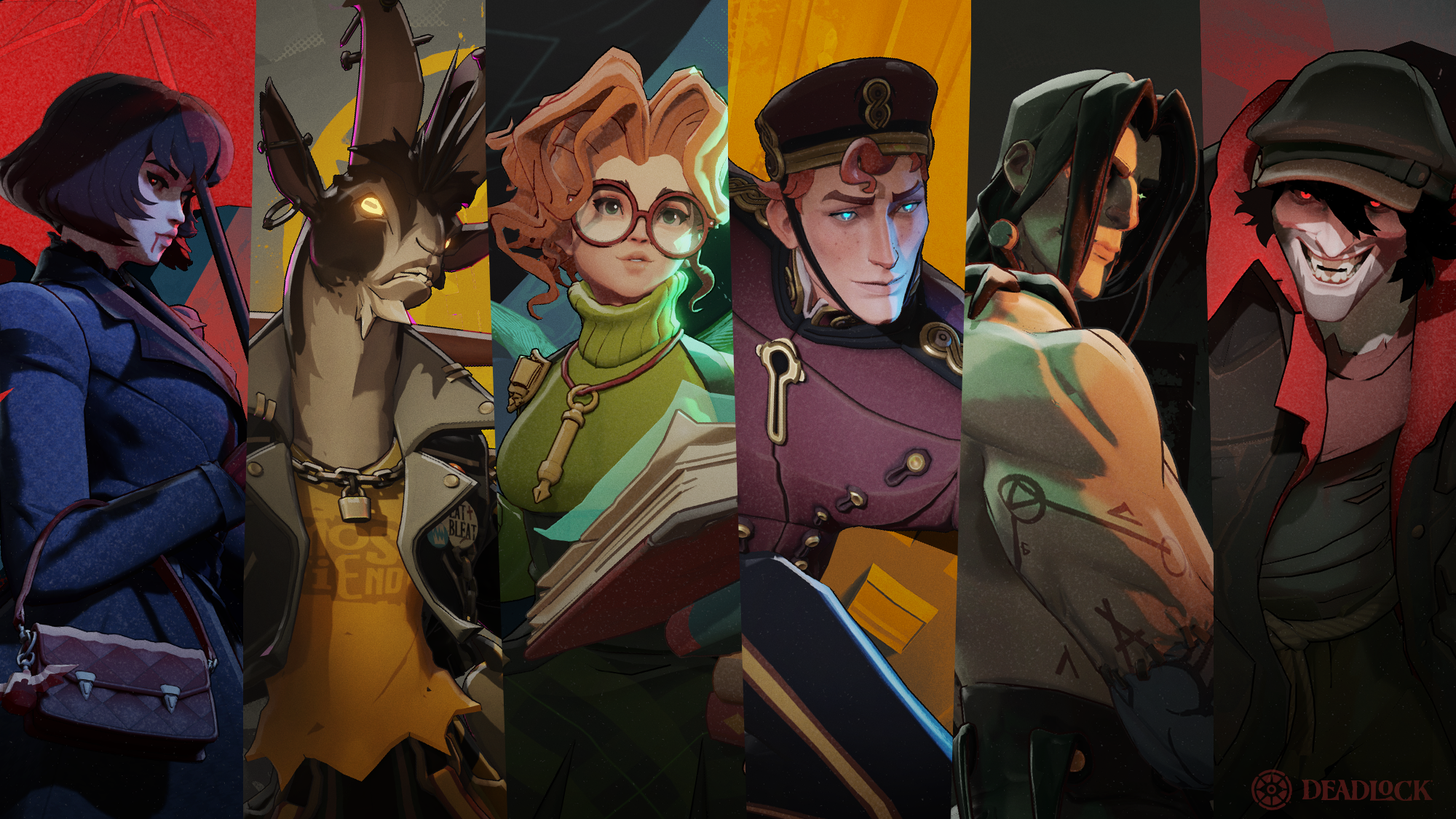





Competitive gaming constantly demands fresh mechanical challenges, and Valve has quietly engineered a title that breaks traditional genre boundaries. The underlying architecture of the Deadlock game focuses entirely on rewarding deep strategic mastery rather than just raw mechanical aiming.
Understanding what professional competitors crave in a high stakes environment is exactly what separates the Deadlock game from other modern releases.
As professional organizations begin scouting talent from the rising Deadlock player count, the competitive trajectory looks distinctly different from anything currently on the market.
A growing Deadlock player count guarantees a massive talent pool, meaning the highest tiers of the Deadlock game will feature unprecedented skill ceilings.
The active grassroots tournament circuit
The title might be unreleased, but the professional ecosystem of Deadlock is already flourishing with heavily contested events.
Third party organizers are taking full advantage of the custom lobby systems to host massive bracket formats. We are seeing incredible tactical development emerge from these recurring series, proving that the foundation for this title is incredibly solid.
| Active Tournament Series | Region & Tier Level | Notable Details & Participating Teams |
| R1 Tourney DeadLock | Europe & CIS (High-Tier) | Features massive $10,000 prize pools with events like DeadLock 02 and 03. Consistently draws elite squads like Abrahams and Buff Enjoyers. |
| Deadlock Night Shift | North America & Europe | A frequent weekly B-tier bracket serving as the main recurring competitive staple for regular tier-one hopefuls. |
| DeadChaps Gauntlet | Europe (A-Tier) | Highlights notable multi-day group stages and playoffs, creating grueling endurance tests for the top regional rosters. |
| Death Slam Invitational | North America | High-payout invitationals that consistently attract massive organizations like Melee Creeps and Lowkey W. |
| Guildlock Invitational | Global (Periodic) | An emerging periodic event drawing competitive rosters for high-intensity matches and experimental meta strategies. |
These structural foundations prove that Valve is building the Deadlock game specifically for the stadium stage. Features like dedicated scrimmage matchmaking give aspiring professional teams playing the Deadlock game the exact same practice environment used by the biggest organizations in the world.
Note that, since the game is not officially out yet, all the tournaments are being organized by the community itself, with little to no involvement from Valve. This does mean that the prize pools are very limited at the moment, but these tournaments are setting a big stage for the potential of the game once Valve does get involved – as you can see in this video:
The emergence of events like the R1 Tourney DeadLock and the DeadChaps Gauntlet shows a clear appetite for high stakes competition. Organizers are offering thousands of dollars in prize pools, motivating rosters like Abrahams and Buff Enjoyers to refine their macro strategies.
Having these broadcast systems ready during the early development phases allows third party tournament organizers to experiment with bracket formats immediately.
The Deadlock Night Shift series runs weekly across multiple continents, giving the most dedicated competitors a reliable proving ground to test new hero compositions. The main organizer for Night Shift is Night Shift Productions, co-owned and fronted by veteran esports commentator and personality Daniel “ddk” Kapadia.
Meanwhile, North American titans like Melee Creeps and Lowkey W clash frequently during the Death Slam Invitationals, establishing intense regional rivalries. Death Slam tournaments are hosted by Death Slam Events and prominent community figures like Deathy, alongside rotating talent and broadcast hosts such as Literose, RyanCentral, ShamiCasts, and SirActionSlacks.
A dedicated community is forming around these early tournaments, drawing viewers from the broader Deadlock player count who want to study high level macro strategies. This organic growth guarantees that a competitive framework for the Deadlock game will be fully mature by the time the title officially launches.
Every single match played in the Guildlock Invitational or DeadChaps Gauntlet provides invaluable data for the developers to tweak hero balance.
Measuring up against established industry titans
When we look at the current competitive market, most titles fall into very strict genre boundaries that dictate their esports appeal.
Counter Strike 2 and CS2 tournaments and Valorant and their tournaments rely on round based tactical execution, while League of Legends and Dota 2 demand top down isometric ability sequencing.
The genius behind the Deadlock game is how it forces competitors to process both disciplines simultaneously during every single engagement.
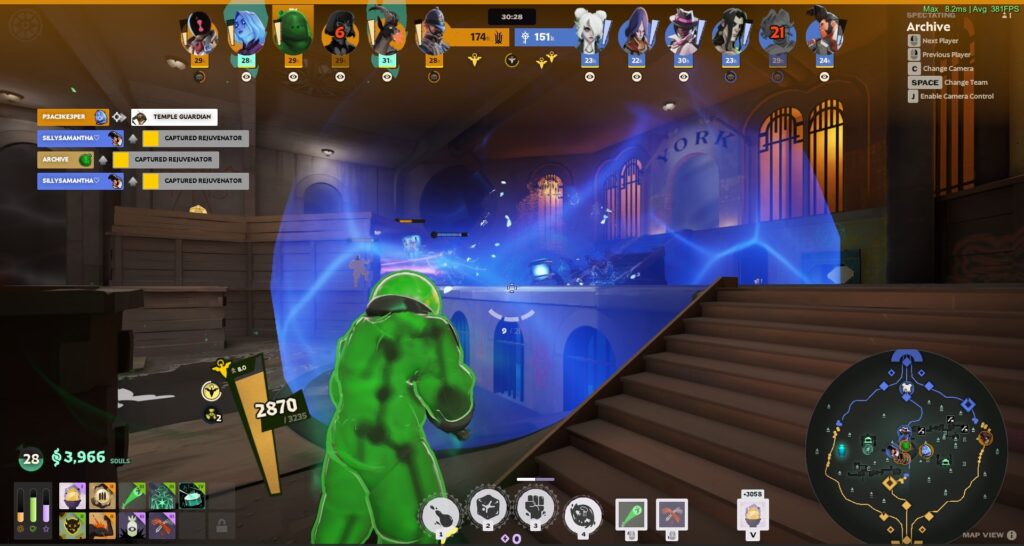
We can see how a professional team transitioning from Overwatch or Team Fortress 2 might possess incredible crosshair placement and target tracking. Those pure shooting mechanics will fail inside the Deadlock game against opponents who better understand wave manipulation and map control.
Many competitors joining the active Deadlock player count discover that raw aim cannot compensate for poor soul economy management.
Marvel Rivals and similar hero shooters focus heavily on team fights and ultimate combinations, but this new Valve title demands a completely different macroeconomic understanding.
This hybridization creates a completely new type of professional competitor who must master multiple gaming disciplines. The rapidly expanding Deadlock player count is forcing talent scouts to look at players from entirely different backgrounds to form cohesive rosters.
Organizations are slowly realizing that building a championship team for this title requires a unique blend of strategic shot calling and split second mechanical execution.

Integrating cosmetics into economic warfare
Discussions surrounding character skins always dominate the community, but the studio is taking a very measured approach before releasing monetization updates.
Lead developer Yoshi recently addressed the topic on the official Discord, shutting down wild community theories about stat-boosting items. Yoshi clarified that many current hero models are still temporary placeholders.
Developing complex skins for unfinished character skeletons simply does not make sense from a production standpoint. If the studio releases premium cosmetics now, they would have to completely remake them once the final base models are pushed into the Deadlock game.
Despite the lack of an official store, data miners have uncovered several early cosmetic variations hidden within the game files. Fan created mods and leaked model tweaks are currently circulating online, giving us a small taste of what the final polish might look like.
For now, the focus remains strictly on core gameplay loops rather than visual flair. This design philosophy reassures the competitive portion of the Deadlock player count that Valve is prioritizing structural integrity over quick monetization for the Deadlock game.
Cementing a long term competitive vision
Building a sustainable professional circuit requires more than just throwing massive prize pools at a new release.

Valve has a historic track record of allowing communities to naturally dictate the competitive meta before stepping in with official developer sponsored majors. The current iteration of the game provides a perfect sandbox for tactical innovation without the developers forcing a specific playstyle onto the user base.
Because the studio avoids micromanaging the grassroots tournament scene, players are discovering incredible synergies through sheer trial and error. The increasing Deadlock player count provides a massive testing ground where obscure strategies quickly evolve into meta defining tactics.
This organic discovery process keeps the viewer experience completely unpredictable, as underdog teams constantly invent new ways to approach the map objectives inside the Deadlock game.

Looking toward the future, the foundation being laid here is incredibly promising for the global esports community. Mastering the Deadlock game demands a level of coordination and individual skill that rivals the most difficult titles on the market today.
The continuous expansion of the Deadlock player count ensures a healthy influx of new talent for years to come. If the developers continue supporting this organic tournament growth, the Deadlock game will secure its position as a generational competitive phenomenon.


