



It has been an incredibly busy week for the Deadlock community, as we witness the rollout of the most significant changes to hit the game in months. The latest Deadlock patch notes outline a complete overhaul of how we queue up for matches, formally introducing a highly requested competitive ecosystem.
We know you want to jump straight in, but it pays to be prepared.
Before we can even start climbing the new ladder, we need to talk about the balance shifts that were pushed just two days prior. To truly understand the current meta and prepare for the grind, we must look at both sets of Deadlock patch notes together.
This is everything we need to know about the new Ranked mode and the roster adjustments that will define this season.
The Matchmaking update brings us Ranked
We finally have a dedicated space to prove our skill. The July 30 Deadlock patch notes split matchmaking into Standard and Ranked queues, completely changing how we approach the game.
This shift ensures that players who want a relaxed environment can still practice, while those of us looking for serious competition have a structured system to grind.
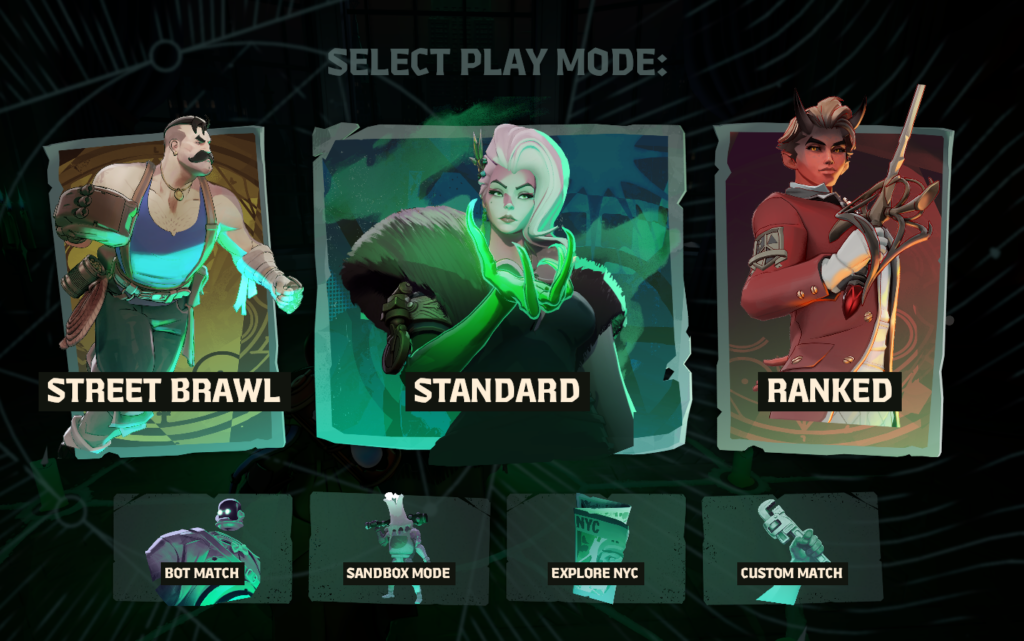
Here is a quick breakdown of what we need to know before we jump into the queue:
| Feature | Details |
| Standard Mode | No party restrictions, dynamic difficulty adjustment based on hero experience. |
| Ranked Entry Requirement | Requires at least 60 total wins in Standard Mode. |
| Hero Lock | Must have at least 15 wins with a hero to play them in Ranked. |
| First Season | Runs from July 30th until October 7, 2026. |
| Calibration | 8 solo matches required to determine starting rank (max exit: Oracle VI). |
| Party Limits | Solo or Duo queue only. Duos must be within 1 full Rank of each other. |
Standard mode training grounds
The Standard Mode detailed in the Deadlock patch notes is designed to primary be a learning environment. When queueing for Standard, the matchmaker now dynamically adjusts the lobby difficulty based on our specific experience level with the hero we select.
This means we can finally practice new Deadlock characters without dragging our teammates down against high-skill opponents. Furthermore, there are no limits on party size or skill spread in this mode. It provides the perfect place to play with friends regardless of their rank.
If you want to look at this through the CS2 terms, think of playing a game of competitive (with no real rank repercussions) to test out a rollout or a map before you dive deeper into Premier or FACEIT.
Ranked entry requirements
The new competitive mode comes with strict entry barriers to ensure match quality. To even see the queue button, we need at least 60 total wins in Standard Mode. This alone means that one should spend around 30-60 hours of playtime just winning before they can start playing the new Ranked mode.
We are also restricted to picking Deadlock characters that we have won at least 15 games with in Standard Mode. To prevent players from getting stuck in draft phases, the Deadlock patch notes state that we must have at least 3 eligible heroes unlocked to enter the queue.
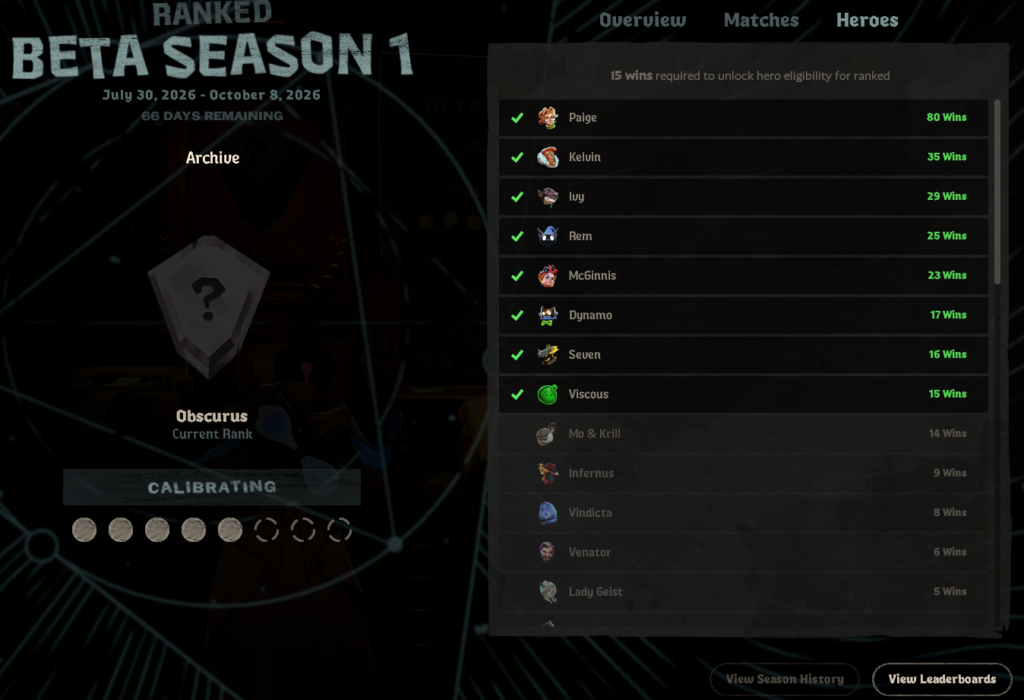
The community feedback on this change seems to be divided, but it might actually be for the best to have it like that. This might mean more grinding to get to ranked, but it also means much more competent teammates and no players that are trying out a hero for the first time in your games.
Calibration and competitive tiers
We are looking at an eleven-tier ranking system, starting from Obscurus (Uncalibrated) and climbing through Initiate, Seeker, Acolyte, Sentinel, Mystic, Ritualist, Emissary, Oracle, Phantom, Ascendant, and finally reaching Eternus.
The calibration period requires eight solo matches. This acts as a soft reset to accurately seed us into the system.
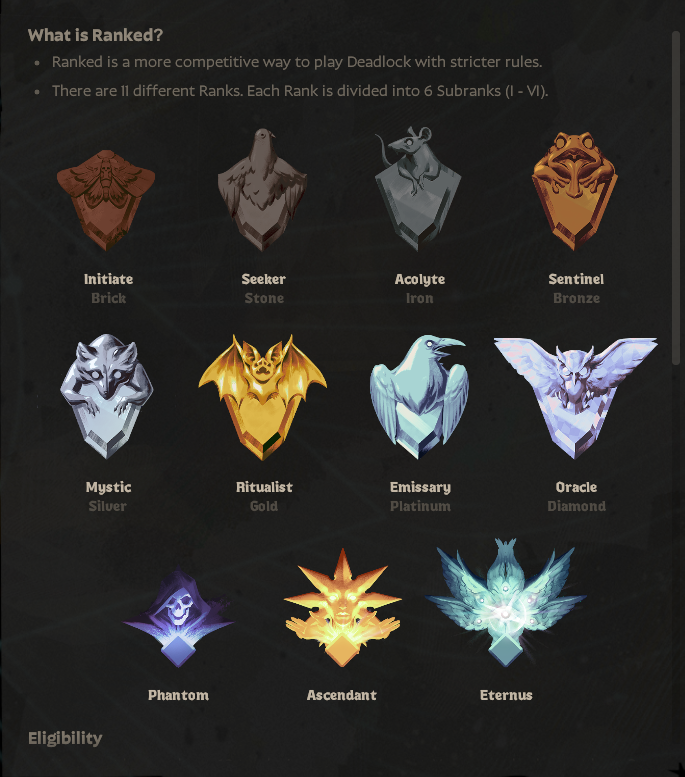
If we want to reach the highest tier, Eternus, the latest Deadlock patch notes specify that we will only be able to queue with other players in that exact tier. We must also be within three subranks of each other. For instance, an Eternus 6 player can queue up only with players that are Eternus 3 or above.
The introduction of the Ranked Hub in the hideout gives us a great way to track global leaderboards and our personal progression over the season.
How the July update impacts Deadlock characters in Ranked
The new competitive ladder is exciting, but climbing it requires a deep understanding of the current meta. If we read through the July 28 Deadlock patch notes, it is clear that Valve is shaking up the power dynamics just in time for the new season.
Knowing which Deadlock characters are thriving and which have lost their edge is the key to winning our calibration matches.
The biggest hero buffs to watch for
Some familiar faces have received significant power spikes according to the recent Deadlock balance patch notes.
Apollo is entering the Ranked season looking incredibly strong. The base stun duration on Riposte has been increased from 0.6 seconds to 0.8 seconds.
Furthermore, his Tier 3 Riposte upgrade has been reworked to grant +60% Bullet, Spirit, and Melee Lifesteal against the target for 7 seconds. This makes his dueling potential in the solo lane terrifying.
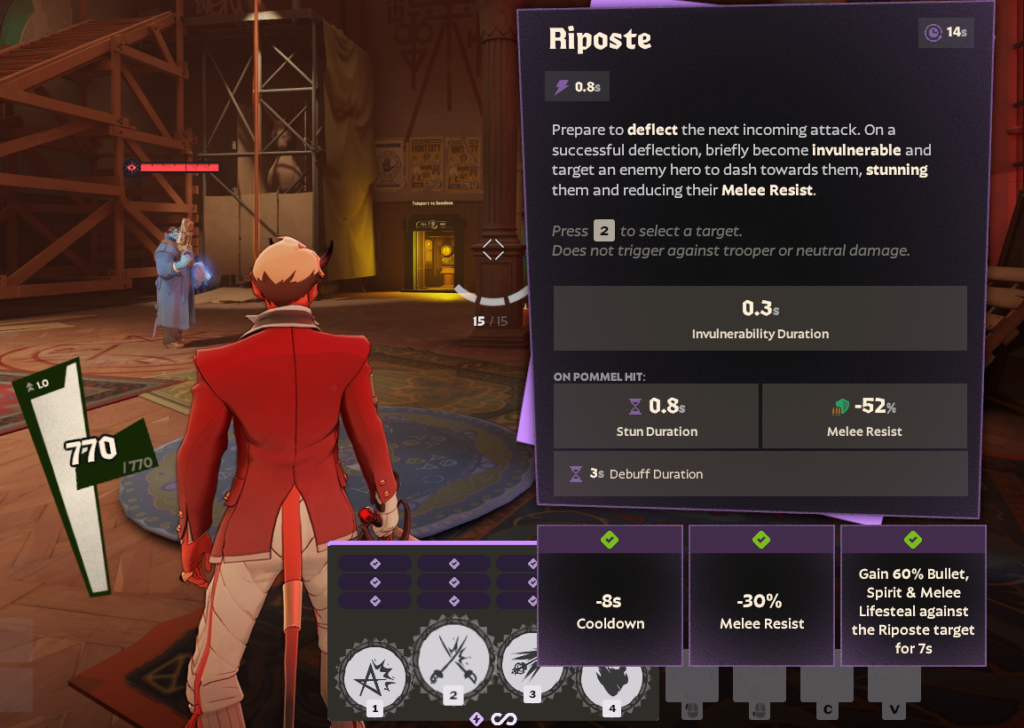
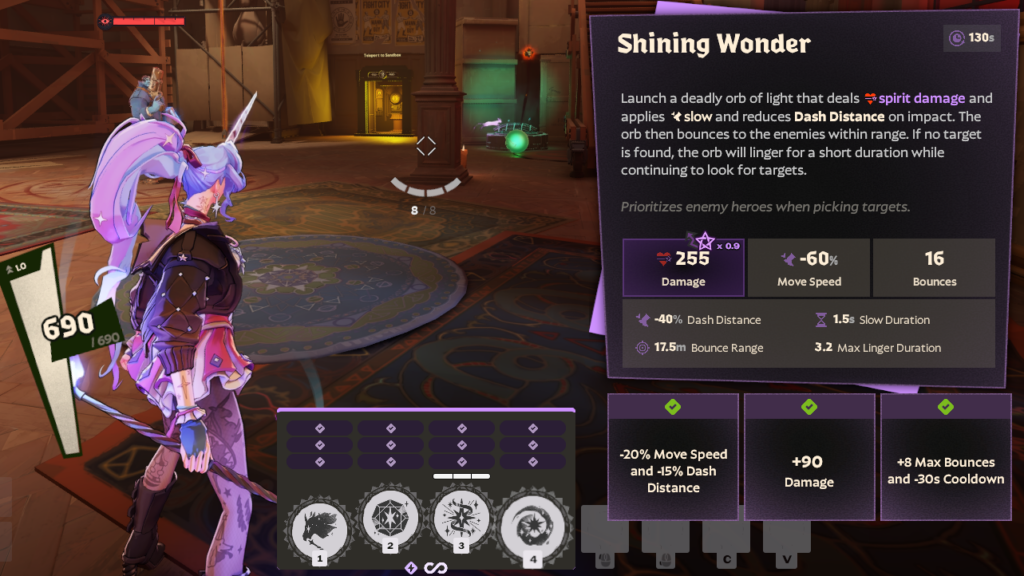
Celeste also walked away as a major winner in these Deadlock patch notes.
The radius of Shining Wonder has been expanded from 16.5 meters to 17.5 meters, and the damage output was bumped up by 10%.
Combined with an increase in the buffer duration to 3.25 seconds, Celeste is going to be a premium pick for team fight control in high-rank lobbies.
Choosing the right Deadlock characters during draft phase is going to be more important than ever.
The hardest hero nerfs
Not everyone made it through the update unscathed. A few dominant Deadlock characters have been brought back in line.
Venator saw direct hits to his mobility and damage at a distance. His sprint speed was reduced drastically from 1.5 meters to just 1 meter.
Additionally, his bullet falloff range was pulled in from 20m-51m to 18m-47m, meaning he needs to commit harder to engagements.
Haze mains will also need to adjust their playstyle based on the Deadlock patch notes.
The spirit scaling on Sleep Dagger’s wake-up time and damage were both reduced, making the ability slightly less punishing.
Her Tier 3 Fixation also saw a reduction from +0.14 per stack to +0.11, though it now scales slightly with Weapon Damage to compensate.
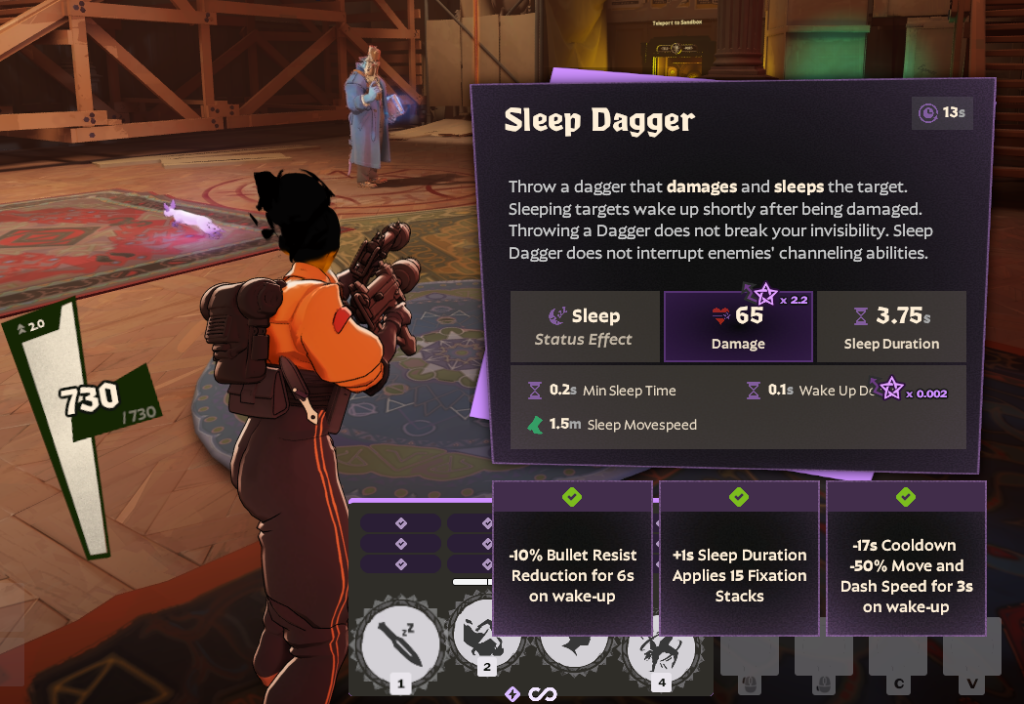
Deadlock characters like Haze have been dominant for a long time now, and although these nerfs seem like a punishment – they were more than necessary to keep the game enjoyable for everyone.
Major item adjustments
Beyond the Deadlock characters themselves, we need to rethink our builds. The item adjustments in these Deadlock patch notes are going to define the early meta.
Crushing Fists received a massive buff, with the max stacks stun duration jumping from 0.5s to 0.75s, and the bullet resist reduction increasing per stack.
Scourge was completely reworked; it no longer grants a +17% Debuff Resist innate bonus, but the active now provides a retroactive +20% Debuff Resist.
The Deadlock patch notes also highlighted that Spirit Burn had its explosion damage slashed from 110 to 50. It no longer hits enemies in a 12-meter radius, forcing it to be a strictly single-target tool now.
It is clear that the developers wanted to establish a balanced baseline before opening the gates to Ranked. Sure, some of the item balances are not really loved by the community, but it might be for the best.
