




So, you are walking through mid after a heavy fight, and you notice a teammate drop an AK-47 on the ground. You pick it up for the next round and press your inspect button, only to find the entire top of the weapon covered in a gleaming blue texture. Have you ever wondered why that specific rifle looks completely different from the one sitting in your inventory?
The secret lies entirely within the world of CS2 patterns and how the game assigns a unique visual identity to almost every single weapon finish dropped from a case or a match. We are diving deep into the mechanics of these visual variations to understand exactly what makes some skins worth a few dollars and others worth a luxury car.
Understanding CS2 patterns is about knowing how the game applies a pre-drawn image over a 3D weapon model using a specific numerical seed. When we talk about CS2 patterns, we are looking at a system that creates artificial scarcity and genuine uniqueness for millions of players.
The core mechanics of CS2 patterns and market values
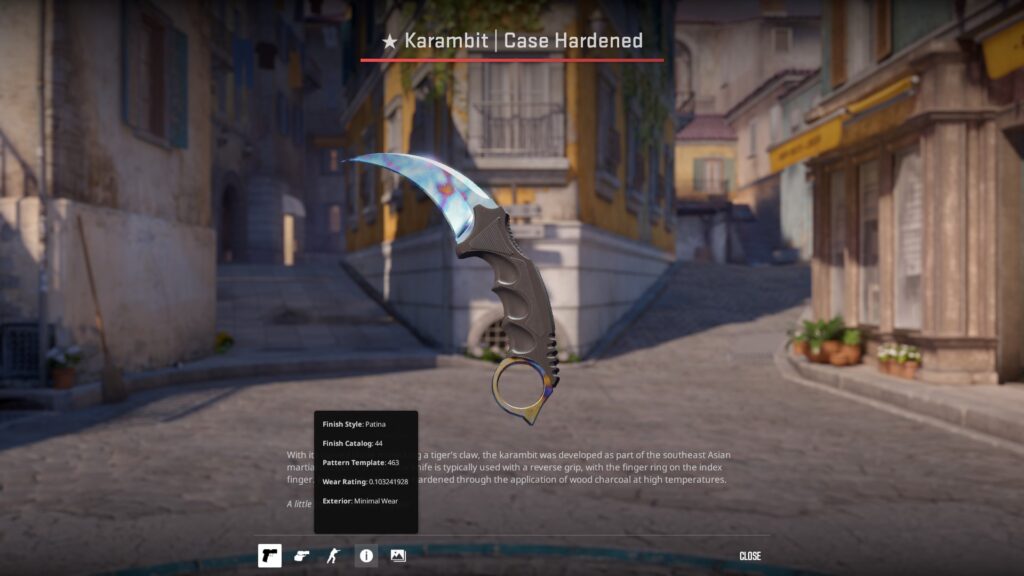
Did you ever hear someone rave about pattern numbers but were not really sure what exactly they are talking about? Every time a skin is unboxed or drops in the game, it gets assigned a pattern template number ranging from one to 1000. This numerical system dictates the absolute foundations of all CS2 patterns. Moreover, if you add the float value of weapons on top of these patterns, you get insanely expensive weapons that are worth so much they could put you through retirement.
| Skin Finish | Notable Pattern Numbers | Key Visual Factors | Example Price Range |
| Case Hardened | 661, 387, 321 | Amount of solid blue surface | 200 to 1,500,000+ dollars |
| Doppler | Phase one, 2, 3, 4 | Color ratio and gem rarity | 400 to 20,000+ dollars |
| Fade | 80 to 100 percent | Full spectrum coverage | 300 to 5,000+ dollars |
| Crimson Web | Centered webs | Number of large webs | 150 to 10,000+ dollars |
| Slaughter | Diamond, Angel | Specific centralized shapes | 200 to 2,000+ dollars |
This specific number dictates exactly how the texture file wraps around the weapon model, shifting it left, right, up, down, or rotating it slightly. For a skin like the AK-47 Slate, this shift means absolutely nothing because the canvas is uniformly black, but for highly sensitive finishes like the Case Hardened or Fade, shifting that texture by a fraction of an inch changes the entire market value of the item.
Answering the big questions right away helps us grasp the sheer scale of this economy. Why do these numbers dictate the price so heavily? The community dictates the value based on visual appeal and absolute rarity.
If only one out of 1000 possible variations yields a completely blue knife blade, the mathematical scarcity instantly drives the demand through the roof among collectors. We have seen how players value individuality, and having a one-of-a-kind combination of float and pattern seed gives players exactly that when analyzing CS2 patterns.
If you opt to purchase a skin that relies heavily on these shifts, you must look at the exact seed before hitting the buy button. 2 knives with the exact same name and wear rating can have a price difference of 10,000 dollars simply because one seed aligns a rare part of the image file perfectly in the center of the screen.
Learning to identify these differences protects your wallet and helps you spot incredible deals floating around the community markets. To truly grasp the power of CS2 patterns, we have to look at the community agreement on aesthetics.
How texture shifting creates unique CS2 patterns
The game developers never explicitly stated that blue is better than gold, or that a perfectly centered web is the superior design. The player base collectively decided these rules over years of trading, creating a massive organic market where visual preferences directly translate into real-world monetary value.
When the game rolls a random number between 1 and 1000, it basically drops a cookie cutter onto a giant digital canvas. Take the AWP PAW as a perfect example of this mechanic in action. The base texture file is a collage of various cats and dogs, but hidden within that massive drawing is a single golden cat holding a grenade.
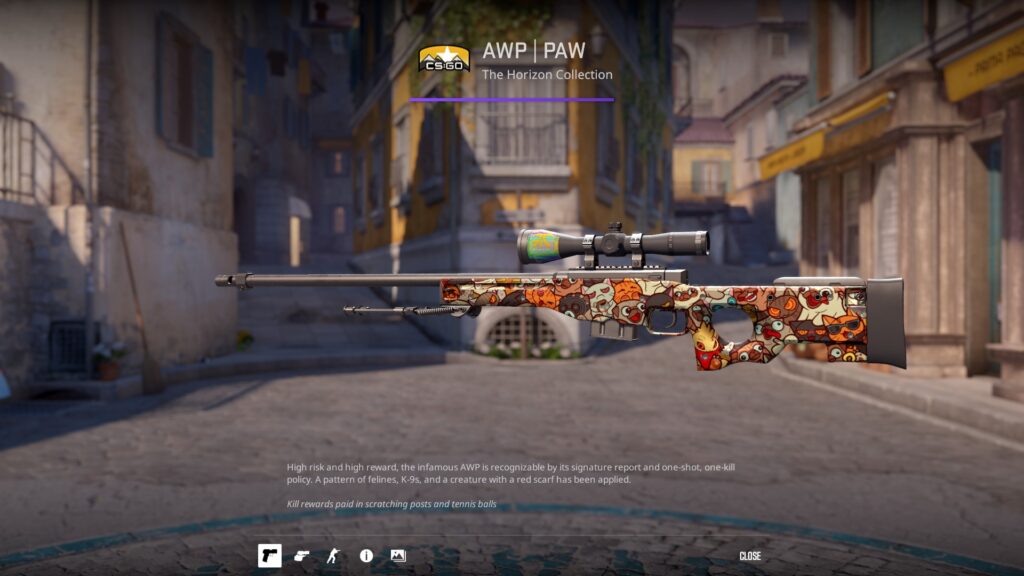
If the game assigns a seed like 41 or 350 to the AWP PAW, the cookie cutter lands precisely on that golden cat, centering it right above the magazine. This turns a regular 2 dollar sniper rifle into a sought-after collectible that players will happily overpay for, simply because the placement is perfect.
This is exactly why traders spend countless hours reviewing rare CS2 patterns to find combinations that most players overlook during standard market inspections. This communal agreement turns every weapon drop into a potential lottery ticket, keeping the player base constantly engaged with the loot system.
The benefit of you buying a carefully inspected item is that you are purchasing a specific cut of a much larger artwork. We always recommend inspecting every item in the game client because a simple screenshot rarely captures how the lighting interacts with the exact positioning of the texture across different CS2 patterns.
Popular CS2 patterns valued by the community
How many times have you inspected a knife on the community market, hoping to see a solid ocean of blue, only to be greeted by a dull gold and silver mixture? The Case Hardened finish is arguably the most famous example of how heavily CS2 patterns dictate an item prestige.
The texture file for this finish resembles a spilled puddle of oil, featuring blotches of dull silver, muted gold, purple, and a very specific patch of pure blue. Depending on the seed number between 1 and 1000, the weapon model takes a cookie-cutter slice out of that puddle.
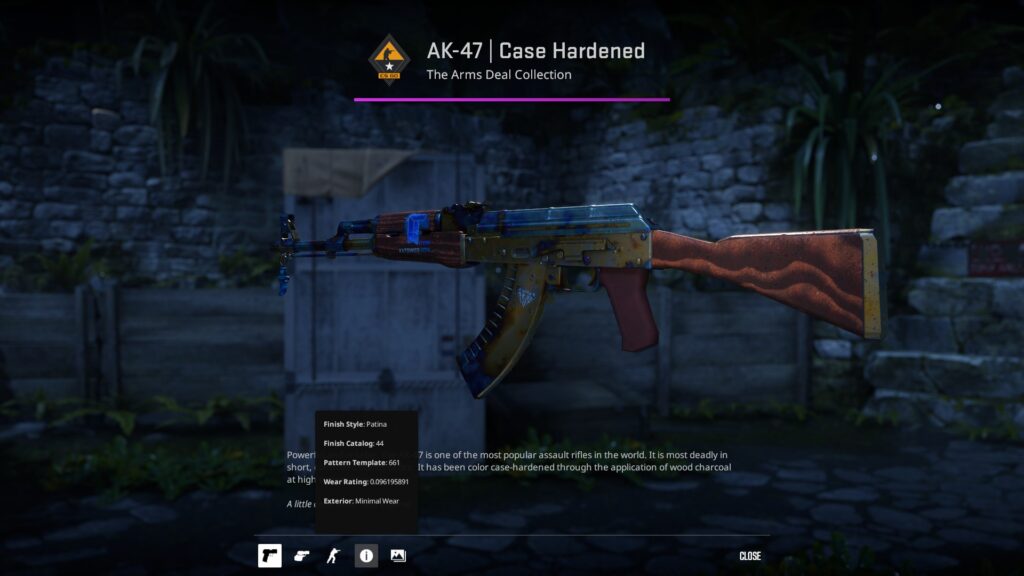
When the game randomly selects a seed like 661 for the AK-47, it applies the exact portion of the texture file that contains the largest continuous patch of blue directly onto the receiver cover of the rifle. This creates what the community affectionately calls a blue gem, which stands as the ultimate status symbol for top-tier collectors and professional players alike.
Prices for these top-tier seeds reach astronomical figures, with famous historical sales clearing the 1,000,000 dollar mark for a single factory new variant. On the opposite end of the spectrum, you might find Case Hardened CS2 patterns that are almost entirely gold or heavily spotted with silver.
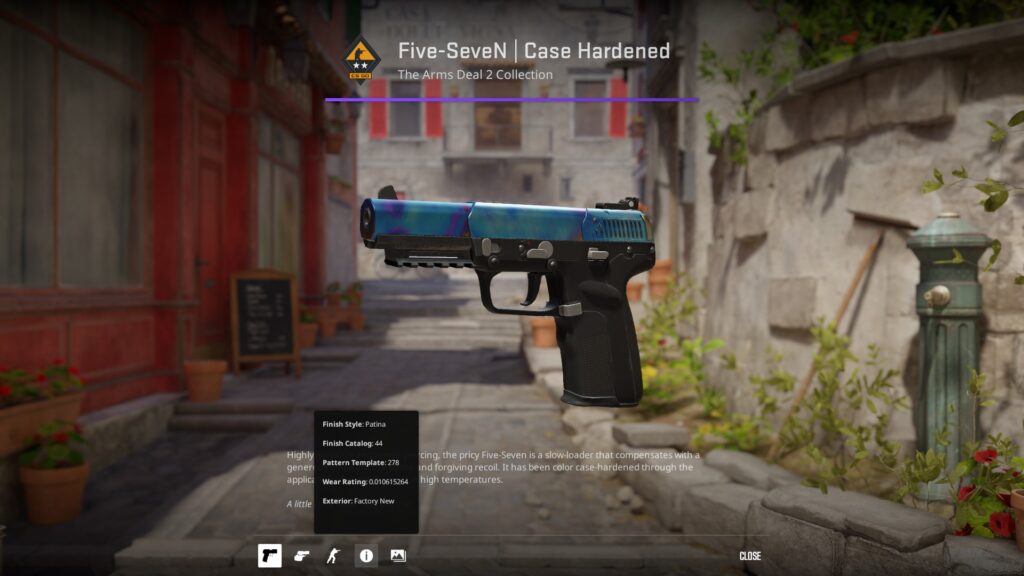
While true gold gems have a small niche audience, the vast majority of players and traders focus purely on maximizing that blue percentage. It requires patience to sift through 100s of listings to find a seed that provides a clean, unbroken blue tip on a Five-SeveN, like pattern 278, or a mostly blue play side on a Karambit.
The legacy of premium CS2 patterns and color phases
Among all CS2 patterns, the legendary 387 template shifts the texture file so perfectly that absolutely no gold or silver bleeds onto the front side of the Karambit. The odds of unboxing a Karambit, hitting the Case Hardened finish, rolling Factory New wear, and landing on this exact seed are so astronomically low that only one exists in the entire game.
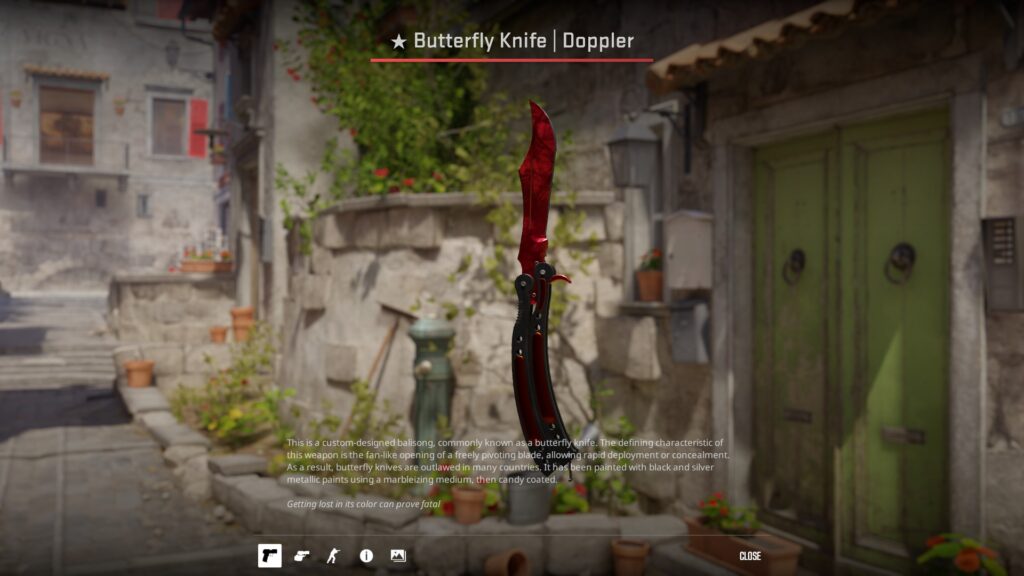
Have you ever spectated your teammate and they whip out a knife covered in a swirling, deep crimson texture? That striking visual is the result of the complex Doppler system.
Unlike most standard CS2 patterns, the Doppler family actually splits into several distinct phases that act almost like entirely separate skins. Phases one through 4 feature varying mixtures of black, pink, blue, and purple, and the pattern seed dictates exactly how those colors swirl and blend across the weapon.
The real magic happens when the game rolls the incredibly rare gem variants, specifically Sapphire, Ruby, and Black Pearl. A Karambit Sapphire pattern 381, for example, coats the entire blade in a bright, flawless blue without a single dark spot.
Because these gems represent a fraction of a percent of all unboxed Dopplers, their prices easily stretch over 10,000 dollars. When we monitor high-stakes trading, these gems are treated as highly liquid premium currency.
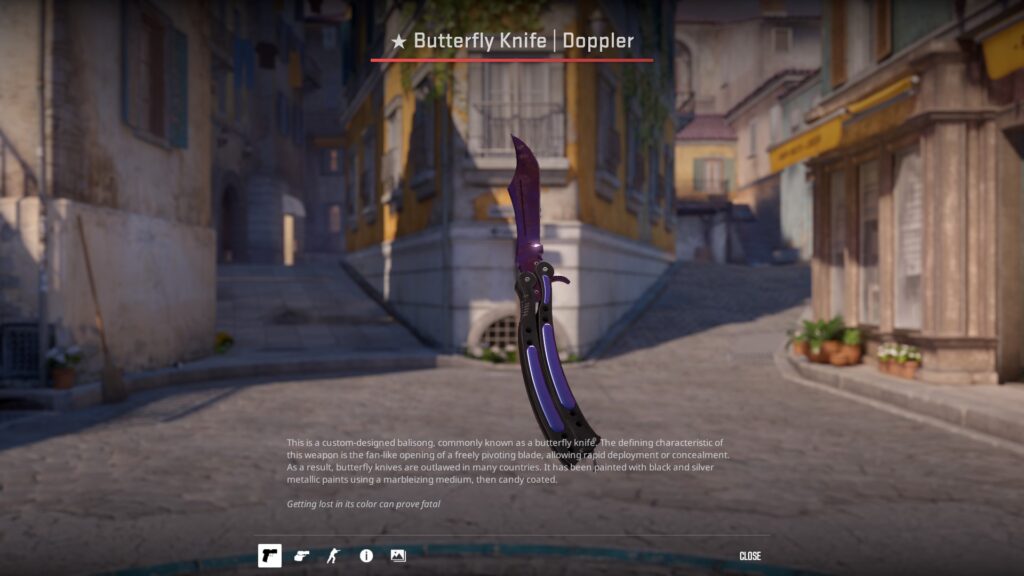
Even if you are not hunting for a rare gem, the standard phases still rely entirely on specific CS2 patterns to determine their exact look. A Phase 2 Doppler is heavily sought after because it features the highest amount of pink, and players will overpay for a specific seed that shows maximum pink on the play side of the knife. Finding the best CS2 patterns in this category requires strict attention to detail in different lighting environments.
Measuring percentages and hidden geometry
Picture this: the round start freeze time is ticking down, and the player next to you pulls out a Glock-18 that transitions perfectly from gold to pink to deep purple right at the tip. The Fade finish is a masterclass in how simple color gradients create complex market valuations.
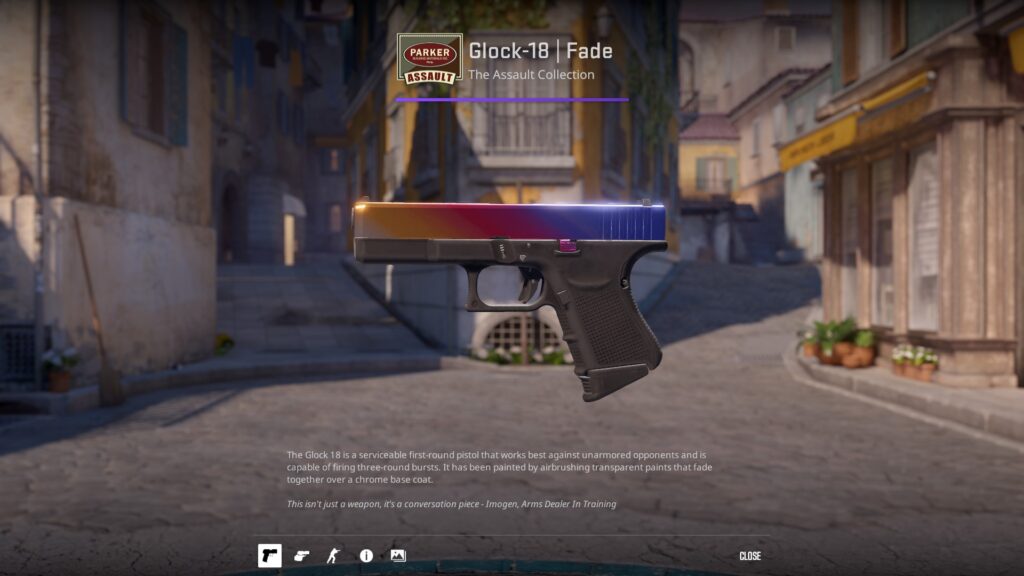
The texture file is a long, continuous bar of color, and the pattern seed dictates how far down that bar the weapon model is placed. This placement determines the Fade percentage, which is the sole metric the community uses to price these items.
A weapon with an 80 percent Fade might only show gold and a hint of pink, leaving the rest of the metal bare or dull. However, a seed that provides a 100 percent Full Fade, like pattern 763 on the MAC-10, will push that gradient as far as it can go, ensuring the maximum amount of purple, pink, and yellow coats the entire model.
Exploring fade CS2 patterns reveals a mathematically strict market where a 99 percent gradient and a 100 percent gradient are priced drastically differently. Understanding these specific CS2 patterns saves you from overpaying for a mediocre gradient.
The community has meticulously cataloged every single seed from one to 1000 to determine its exact Fade value, leaving no room for guesswork. We love this finish because it provides a clear, mathematically proven hierarchy of value that anyone can learn.
Let us step away from the extremely high-end gems for a moment and look at a classic finish that sparked the entire pattern hunting craze. The Slaughter finish features a red and pink striped canvas filled with vaguely recognizable shapes.
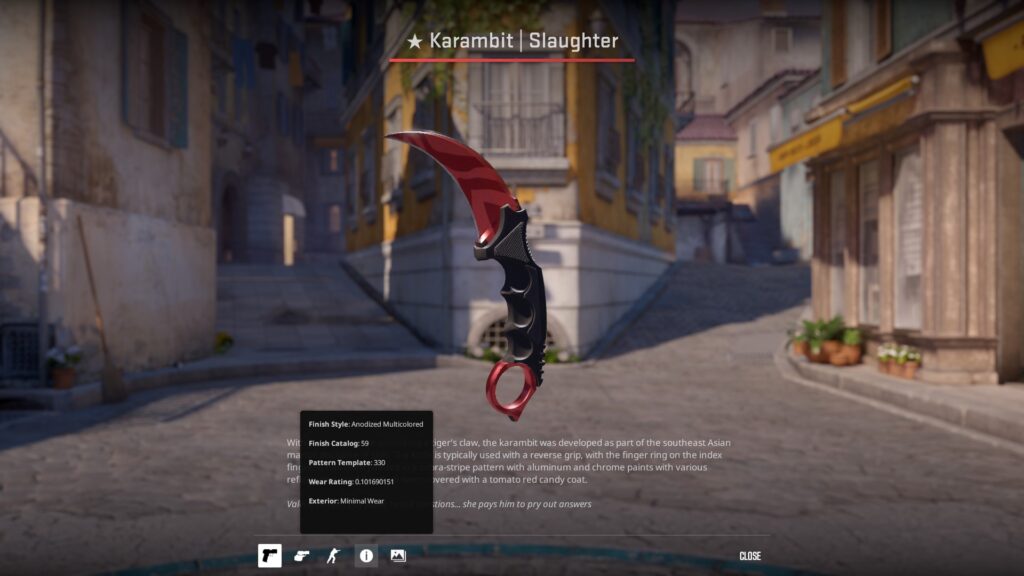
Based on how the pattern seed aligns the texture, the community has identified several distinct shapes that form on the weapon, including diamonds, hearts, dog bones, and angel wings. In the early days of the game, finding a centered diamond on a Karambit Slaughter, such as pattern 330, was the ultimate achievement among traders.
While the modern market leans heavily toward Dopplers and Fades, these shape-based CS2 patterns still command respect and dedicated collectors. A perfectly centered diamond on the play side of a knife provides a symmetrical, highly striking visual that stands out immediately in the sunlight. We often see veteran players sticking to these classic finishes because they represent a piece of trading history.
