



How many times has the purple text of the gun on the ground caught your attention? You are trying to retake a bomb site after your team had a heavy fight, and you notice a weapon lying next to the defuse kit. You pick it up, press the inspect key, and immediately notice how pristine the paint looks.
This exact moment is what drives the entire economy of our favorite game, and mastering the hidden CS2 float system behind that clean look is what separates casual collectors from true traders.
This time, we are getting deep into the mechanics of weapon wear to uncover exactly what makes certain items worth $0.10 and others worth $10,000 or more.
What exactly is CS2 float rating and why does it matter?
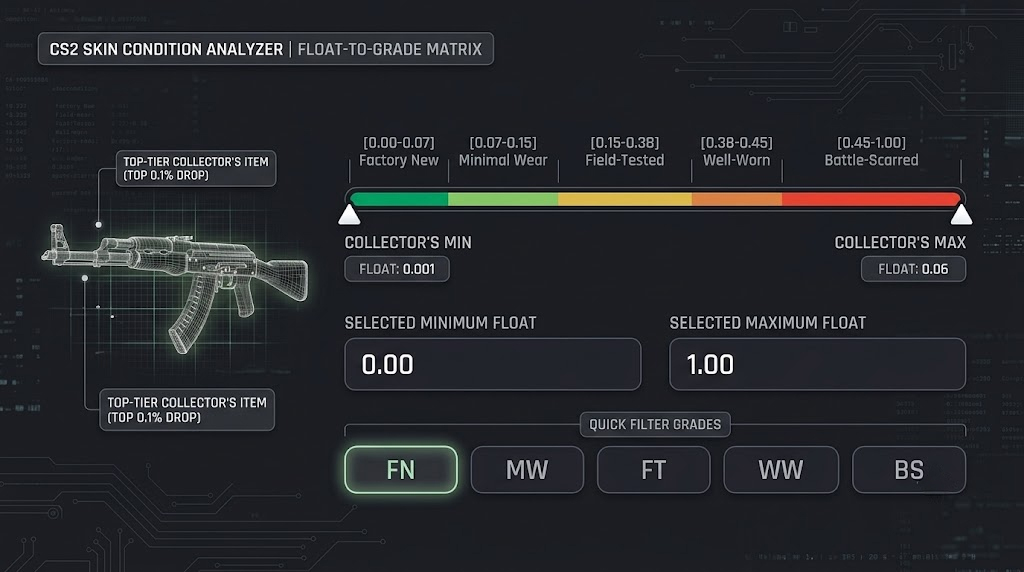
When you inspect a weapon skin, you are actually looking at a mathematical value assigned to it the moment it was unboxed or dropped. The CS2 float is a precise numerical rating ranging from 0.00 to one that determines the visual wear and tear of a specific item.
Every generated skin in the game receives this permanent, unchangeable number. Furthermore, this specific number dictates which wear category the item falls into, permanently sealing its fate on the community market. We often see players ignoring this metric, only to wonder why their item looks significantly worse than a teammate’s weapon of the exact same tier.
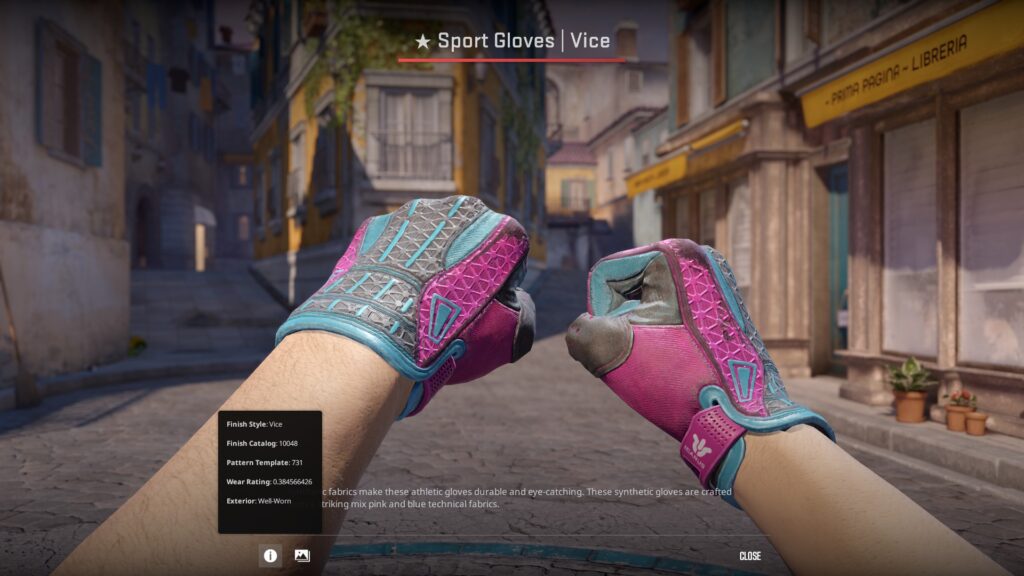
The contributors to this rating are completely random, meaning you cannot predict or alter the outcome when opening a case. If you opt to purchase a highly sought after item on the market, you will quickly notice how this random number drastically shifts the price.
For instance, a Factory New AWP Gungnir with a standard 0.06 CS2 float might set you back around $15,000. However, if you want that ultra low 0.001 rating, you could be looking at a staggering $25,000 to $35,000 price tag. That tiny numerical difference creates an astronomical financial gap because collectors demand absolute perfection without any scratches on the artwork.
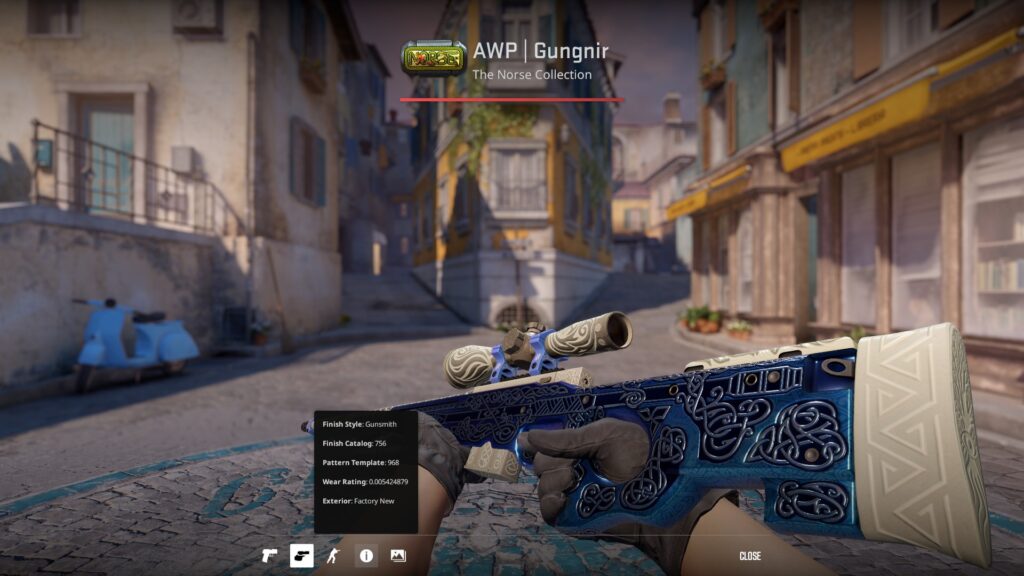
Pricing is directly tied to the visual degradation caused by the CS2 float, making it the most crucial factor in skin valuation. The exact reason people are looking for specific numbers is that this value dictates whether a gun looks like a flawless piece of art or a battered tool salvaged from a dumpster.
The benefit of you buying a weapon with a low CS2 float is that the artwork remains entirely intact and visually pleasing during your gameplay. It secures your investment, ensuring the item holds its premium value if you ever decide to trade it away.
The Factory New condition
So, you are holding the angle at mid doors after a heavy fight, and you notice your teammate drops an AK-47 that shines under the sunlight without a single scratch. That perfection is the direct result of the item falling into the most prestigious wear category dictated by its CS2 float.
The system reserves this top tier for values between 0.00 and 0.07. Items resting in this bracket showcase the custom paint job exactly as the original artist intended it to be seen.
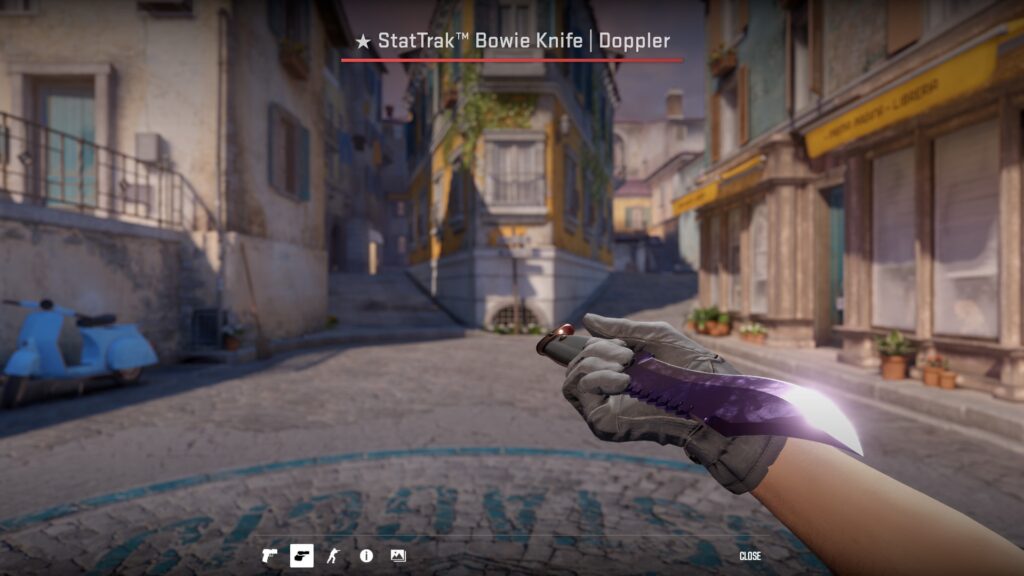
The demand for a near perfect CS2 float in this bracket borders on obsession for many high end traders. A rating of 0.069 is technically Factory New, but it will often display noticeable corner wear on older weapon models like the M4A4 or the USP-S.
We highly recommend inspecting every potential purchase in the game engine to see exactly how the scratches align with the weapon geometry, as even a 0.03 CS2 float can sometimes hide scratches on the backside of the gun where you never see them during normal play.
The Minimal Wear category
Have you ever sat in a lobby listening to teammates obsess over spending massive amounts on flawless weapons when cheaper alternatives exist? The Minimal Wear bracket, covering values from 0.07 to 0.15, serves as the ultimate sweet spot for players who want gorgeous skins without paying a massive premium.
A weapon sitting right at a 0.071 CS2 float will look practically identical to its Factory New counterpart, but the market algorithm automatically prices it significantly lower just because of the name tag.
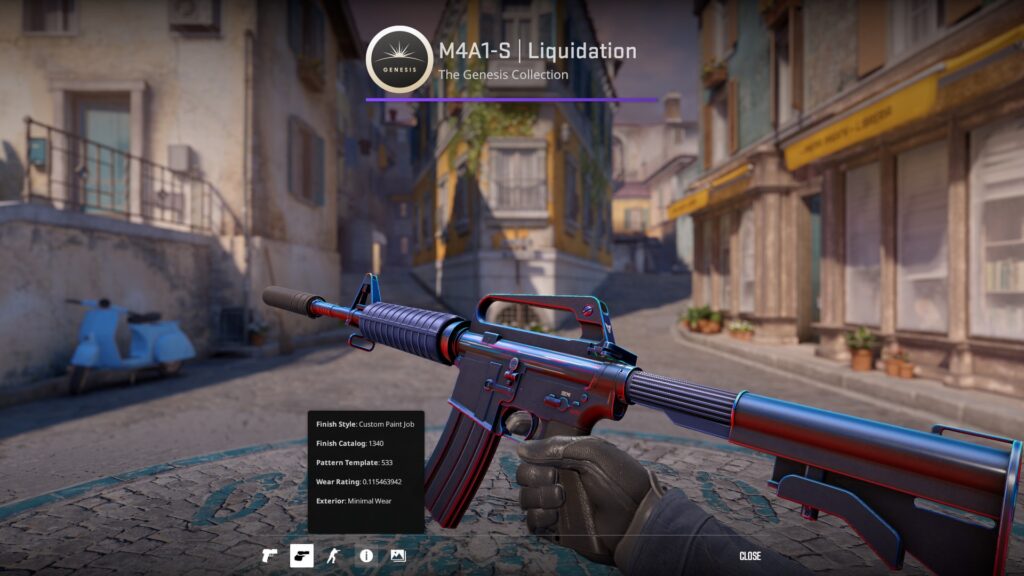
We love hunting for items in this specific CS2 float range because they offer the best return on visual quality. You can easily save $200 or $300 on a high tier knife just by accepting a microscopic scratch near the handle.
Finding these hidden gems requires patience, but securing a 0.08 CS2 float on a popular rifle feels incredibly rewarding when you compare your savings to the top tier market prices.
The Field-Tested tier
The vast majority of the trading economy revolves around this incredibly broad category, which spans from a 0.15 to a 0.38 CS2 float. This massive mathematical gap within the rating parameters creates the wildest visual inconsistencies in the entire game.
Did you ever wonder why 2 identical items in the same market bracket look completely different in your hands? It happens because a 0.16 rating retains most of the original paint, while a 0.37 rating often looks heavily battered and chipped.
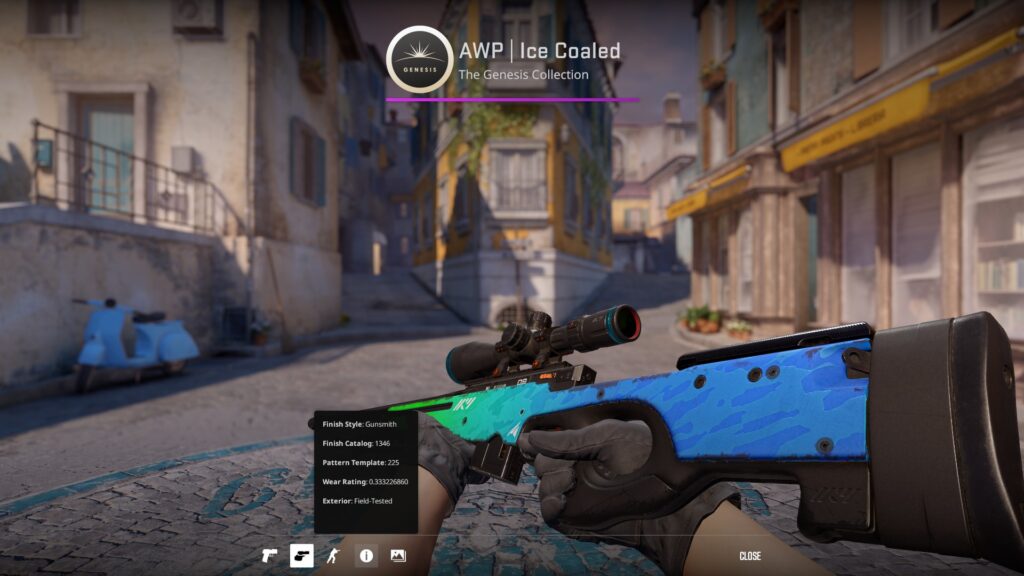
Because this tier is so wide, paying attention to the exact CS2 float becomes mandatory. A seller might list a near perfect 0.15 version for the exact same price as a heavily degraded 0.36 copy simply because they do not understand the hidden numbers.
We always suggest filtering community markets by the specific CS2 float when shopping in this category, as you can effectively buy a Minimal Wear looking item for a fraction of the cost if you are quick enough to grab it.
The Well-Worn situation
Moving further down the spectrum brings us to the most awkward and frequently ignored tier in the game. Ranging from a 0.38 to a 0.45 CS2 float, this bracket occupies a strange middle ground where items look noticeably damaged but lack the extreme aesthetic appeal of maximum wear.
Most players skip over this category entirely, preferring to either spend a little more for a good Field-Tested version or save money by dropping down to the lowest bracket.
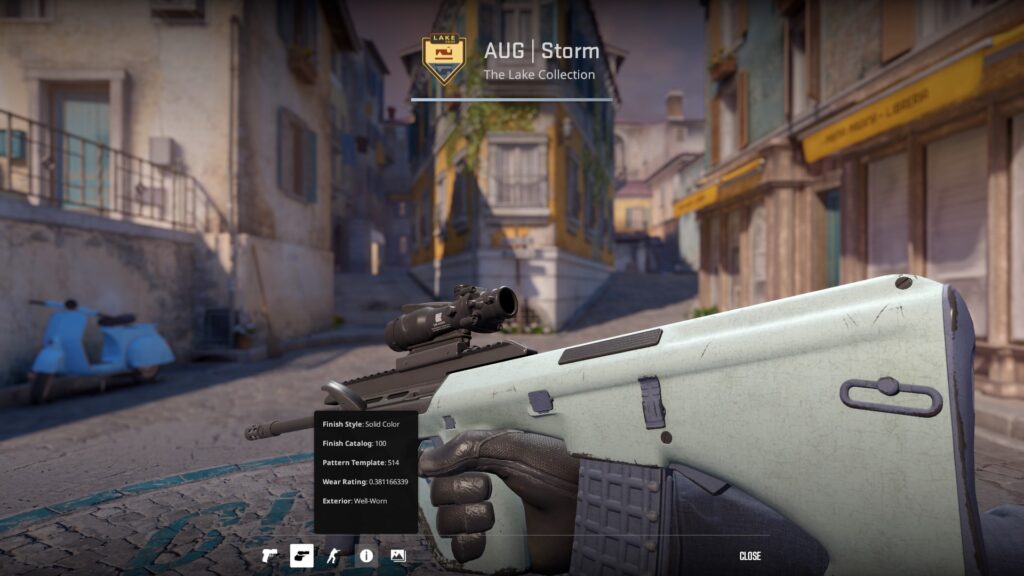
However, certain finishes experience a bizarre pricing anomaly right here. Because few people want a Well-Worn CS2 float, the cases are opened, and these items end up being used in trade up contracts, rapidly draining the supply.
On some older collections, you will occasionally find that a Well-Worn item actually costs more than a Field-Tested one simply due to low market volume. It proves that the CS2 float economy sometimes defies standard logic.
The Battle-Scarred extremes
We finally reach the absolute bottom of the quality barrel, where values span from 0.45 all the way to a maximum cap of one. For most finishes, a high CS2 float in this bracket means the weapon looks like it survived a terrible accident, with huge chunks of paint completely scraped away. The base metal of the gun clearly shines through the remaining fragments of the design.
Yet, this tier houses some of the most dedicated collectors in the community. Hardcore skin enthusiasts frequently track down items sporting a 0.99 or higher CS2 float since that extreme level of damage often produces a visual style completely distinct from pristine variants.
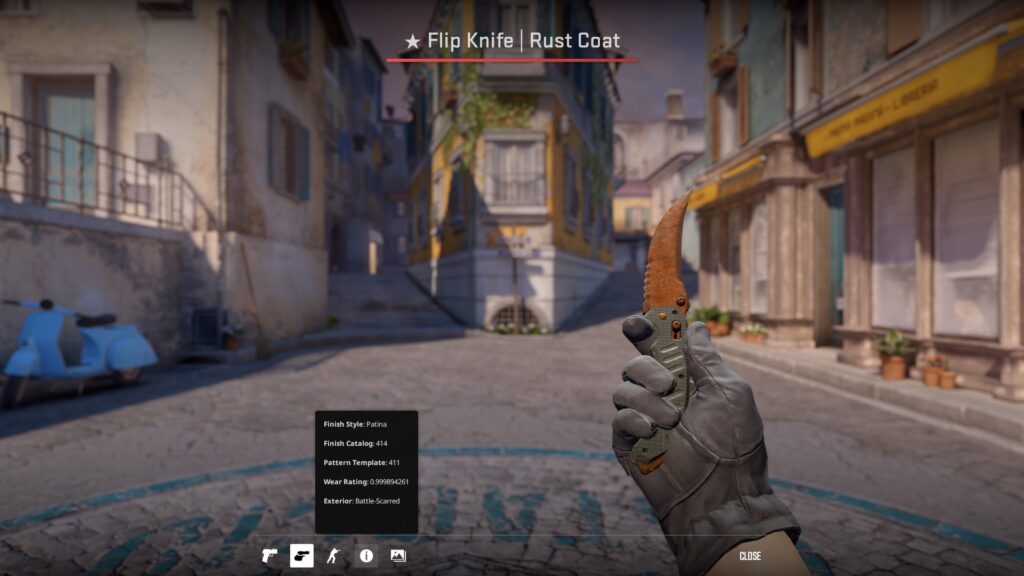
That bizarre reality turns the traditional market logic upside down, transforming what should technically be the worst possible condition into a highly sought after feature that players gladly pay premiums to acquire.
Exploring specific skins and paint degradation
Not every custom paint job degrades the same way when subjected to a higher CS2 float. The community treats different weapon finishes according to how the game engine calculates their wear patterns, leading to drastically different market behaviors based on the specific skin you want to purchase. Let us look at how these hidden numbers impact some of the most famous items you can equip.
The restricted ranges of some finishes
Not every skin in the game follows the standard spectrum from 0.00 to one. Certain finishes have restricted values, meaning they can only drop within a very specific CS2 float window. The M4A1-S Hot Rod perfectly demonstrates this mechanical quirk since the game only generates it within a strict wear range of 0.00 to 0.08. Due to that hardcoded limit, we will never encounter a Field-Tested, Well-Worn, or Battle-Scarred version of this specific weapon finish dropping from a trade up or operation package.
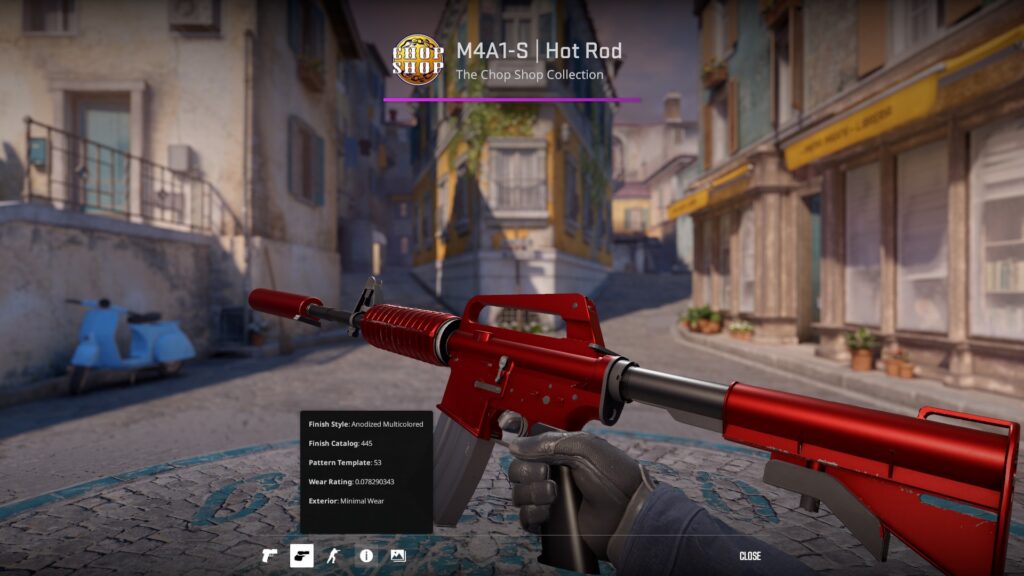
This artificial scarcity drives up the demand for the ultra low CS2 float versions, as the minimal wear copies at 0.08 already look incredibly scratched compared to the factory new ones. The M4A1-S Hot Rod currently trades for around $2,000 to $2,500 precisely because finding a truly clean version is remarkably difficult. The exact reason people are looking for specific floats here is purely driven by absolute rarity.
The AK-47 Vulcan paint peeling
When we talk about how a CS2 float affects different finishes, we have to look at how the game handles paint wear. Some items simply get darker as the number increases, while others lose their paint entirely, revealing the base metal underneath. If you examine the AK-47 Vulcan, you will notice that the paint chips away heavily on the magazine and the main body as the CS2 float rises.
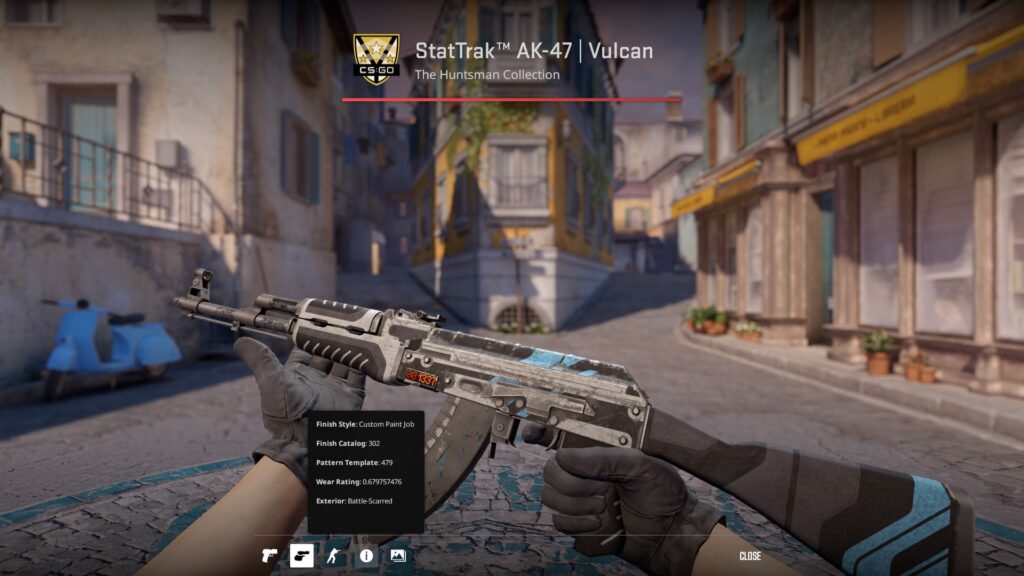
A high rating on a Battle-Scarred Vulcan looks completely battered, with nearly 50 percent of the custom sports design missing from the weapon. Buying a clean version is highly recommended if you want to actually see the beautiful blue and white lines that make the skin famous. The difference between a Factory New Vulcan at around $1,000 and a Field-Tested one sitting at $250 comes down entirely to how much of that original design survives the CS2 float degradation.
The Blackiimov phenomenon
Have you ever wondered why someone would intentionally pay more for a weapon that looks completely destroyed? The best known example of this high wear phenomenon is the Blackiimov, a highly sought after version of the AWP Asiimov. When an AWP Asiimov reaches a CS2 float above 0.90, the white paint on the scope completely wears off, leaving a solid black optic. Players love this specific look so much that a 0.99 rated Blackiimov will sell for significantly more than a standard Field-Tested version.
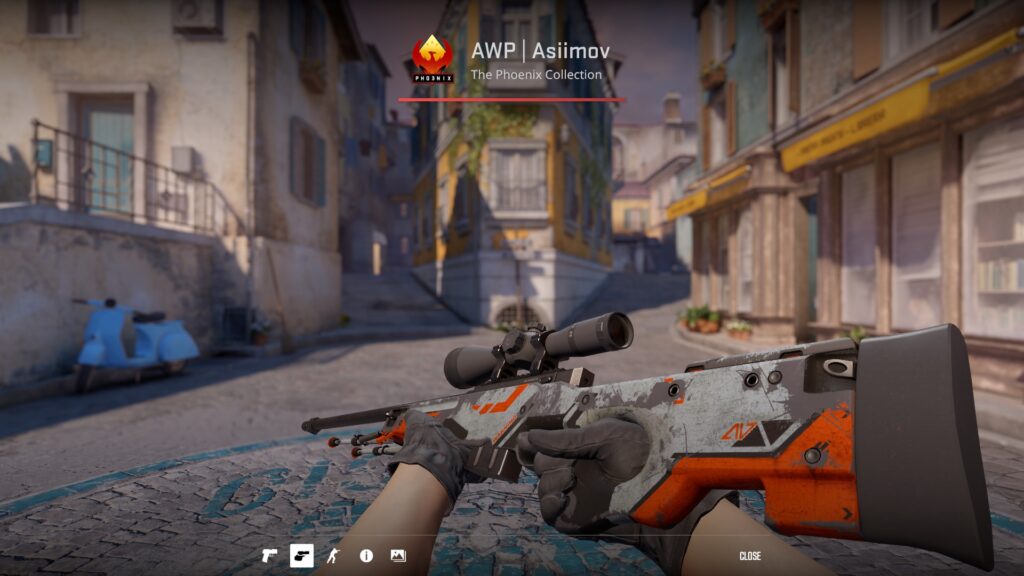
This proves that the CS2 float is not just a measure of quality, but a tool for creating distinct visual variants within the same weapon family. The exact reason people are looking for specific floats goes far beyond just wanting a clean gun, as the visual wear can completely transform the identity of the skin. If you want to build a truly unique loadout, exploring the extreme ends of the CS2 float spectrum will yield some of the most fascinating items in the game.
