



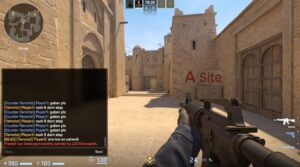



In competitive gaming, every decision counts. One well-timed move can swing a match, while a single mistake might cost everything.
Yet some players seem to make clutch decisions almost effortlessly, turning chaos into opportunity under pressure. What gives these top performers their edge?
This article unpacks the secrets behind consistently sharp calls in gaming. We’ll explore how instinct, strategic thinking, and a deep understanding of psychology combine to separate great gamers from the rest—and reveal what anyone can learn from their approach to high-stakes choices.
The edge of decision-making: what sets top gamers apart
Ever wondered how elite gamers seem to make the right move, even when chaos is everywhere? It’s not luck. Top players have developed an uncanny knack for reading the game, staying calm, and acting with speed and confidence—often in less than a second.
What I’ve seen is that high-level gamers filter out noise, focusing only on the details that matter most. They spot tiny shifts in opponent behavior or map changes and use these cues to predict what’s coming next. This anticipation lets them set traps, dodge danger, or seize an opening before their rivals even realize it’s there.
Calm under fire is just as important. The best players don’t let pressure cloud their thinking. Instead, they fall back on experience and pattern recognition—skills that come from thousands of hours spent learning what works and what doesn’t.
Platforms like Smart Betting Guide show how similar thinking applies outside gaming too. Whether you’re choosing a bet or plotting your next in-game move, recognizing patterns and weighing odds are core skills for getting consistent results.
In short, top gamers stand out by processing information faster, anticipating outcomes more accurately, and keeping a cool head when the stakes are highest.
Split-second choices: the science behind fast decisions
Making the right move under pressure doesn’t come down to luck or pure reflexes. There’s a surprising amount of neuroscience behind every snap decision a top gamer makes.
Elite players develop their judgment by repeatedly facing fast-paced scenarios that force their brains to process information, predict outcomes, and act—all in a matter of seconds.
This level of rapid-fire accuracy is the result of training, experience, and a willingness to learn from mistakes. Over time, these habits wire the brain for faster, more confident choices when it matters most.
Instinct vs. analysis: when to trust your gut
Every gamer has felt that moment—the split second where you just know what move will work before you’ve had time to think it through. That’s instinct in action.
Instinct draws from thousands of hours of gameplay and pattern recognition. The best players trust their gut in chaotic situations where analysis would take too long and hesitation means defeat.
On the flip side, analytical thinking is essential during planning stages or when stakes are high but there’s a brief window to weigh options. Top gamers blend both styles, shifting gears based on context and experience.
The real skill lies in knowing when to switch: trusting intuition for lightning-fast plays, then slowing down for careful decisions when time allows. In my experience, watching pros in action, their ability to read the room—and themselves—is what keeps them one step ahead.
Cognitive training and pattern recognition
No one’s born making flawless split-second calls. Top gamers put themselves through drills that mimic real match pressure—aim trainers, reaction tests, and reviewing replays until every scenario feels familiar.
This repetition sharpens their pattern recognition skills. When you’ve seen thousands of similar situations play out, your brain starts spotting subtle cues faster than conscious thought allows.
I’ve seen players train specific game phases—like late-round clutch situations—until their responses become automatic. By exposing themselves to new maps or strategies regularly, they avoid tunnel vision and keep decision-making fresh.
If you want quicker reactions and smarter calls under fire, nothing beats deliberate practice across diverse challenges. It’s why seasoned competitors always seem two moves ahead—they’ve already seen it all before.
The role of stress and focus
Pressure can be paralyzing—or it can sharpen your senses like nothing else. The best gamers don’t just cope with stress; they use it as fuel for focus and clarity during make-or-break moments.
A 2024 systematic review found that top esports athletes use targeted coping strategies—including mindfulness, controlled breathing, and reframing techniques—to manage performance anxiety and maintain mental clarity under stress (Esports Stress Coping). These habits translate directly into better decision-making and resilience on stage.
I’ve personally tried box breathing mid-match after missing an early shot—it works surprisingly well at keeping nerves in check so you can refocus instantly.
If you want to consistently make good calls under fire, learning how to reset your mind under pressure might matter as much as any in-game skill you build.

Team dynamics: communication and trust in multiplayer games
Winning consistently in multiplayer games isn’t just about individual reflexes or mechanical skill.
The strongest teams make the right call together by combining clear communication, trust, and defined roles.
When players know how to share information quickly and rely on each other, their decision-making becomes sharper—especially when every second counts.
Clear calls and fast feedback loops
I’ve noticed that the best teams don’t waste words in a clutch moment.
They use short, specific phrases—like “push left” or “rotate now”—that everyone instantly understands.
This style of communication avoids confusion and keeps everyone moving in sync.
Immediate feedback is just as critical. If someone makes a call that doesn’t work out, top teams talk about it right away and adapt for the next play, rather than pointing fingers or staying silent.
- Simplicity keeps messages from getting lost in the heat of battle
- Fast feedback stops mistakes from repeating
- A common language boosts group confidence under pressure
I’ve seen this first-hand watching pro teams at international tournaments. One clear voice can cut through chaos and turn an even match into a win with just a few quick words.
Building trust and shared intuition
No team can make the right call every time if its players don’t trust each other’s judgment.
This level of trust isn’t automatic—it comes from hours of playing together, weathering both losses and wins as a unit.
Gradually, teammates start to pick up on each other’s tendencies without even needing to speak. That’s when you see those moments where two or three players move as one, anticipating what’s needed without hesitation or second-guessing.
Esports Team Processes: A 2024 systematic review found that successful esports teams build trust and intuitive coordination through shared experiences, clear communication, and defined leadership roles. These elements foster mutual confidence, leading to faster, more effective group decisions when the pressure is on.
If you’ve ever played with friends over time—whether in Valorant squads or weekend League matches—you’ve probably felt this shift from random moves to a collective flow state. That’s real chemistry paying off when it matters most.
Role specialization and decision authority
The most organized squads don’t debate who does what mid-match—they figure it out before they queue up.
Each player knows their responsibility—whether it’s shot calling, map control, support plays, or clutch rounds—and respects the chain of command when calls need to be made quickly.
- Pre-assigned roles prevent confusion during split-second plays
- Clear decision authority speeds up team reactions under stress
- A strong leader helps others focus on execution instead of arguing strategy mid-game
I learned this lesson playing competitive Overwatch. When our team had no shot caller, we hesitated at critical moments—and paid for it. Once we assigned one voice for final decisions (even if we disagreed), our response times improved dramatically and so did our results. Clarity breeds confidence—and more wins follow close behind.
Learning from losses: how top gamers improve their decision-making
No one gets every call right, even at the highest level. What really separates elite players is what happens after things go wrong.
Top gamers treat mistakes as fuel for growth, using each setback to sharpen their instincts and refine their choices for next time.
The best keep their egos in check, openly breaking down losses to find blind spots or patterns they can fix. This process—reviewing replays, seeking outside feedback, and staying brutally honest—turns every defeat into a lesson that speeds up improvement.
Over time, this relentless self-review is exactly how champions build better habits and stay ahead of the curve when it counts most.
Post-game analysis and VOD review
The real work often starts after the game ends. Top players dig into match replays (VODs) with a critical eye, pausing at crucial moments to ask what went wrong—or right—and why.
They’ll pinpoint miscommunications, poor positioning, or risky decisions that didn’t pay off. Often it’s not about blaming teammates but focusing on specific calls they controlled.
This kind of review isn’t passive. It means taking notes, comparing outcomes to initial intentions, and mapping out better options for similar scenarios in the future.
I’ve seen teams pause on a single play for twenty minutes if it reveals a deeper habit. That commitment to honest self-assessment sets the best apart.
Growth mindset and resilience
Losing stings—there’s no way around it. But elite gamers view setbacks as opportunities rather than threats to their confidence.
They focus less on avoiding mistakes and more on extracting insights from every outcome. This “growth mindset” helps them stay curious and experimental instead of defensive or stuck in old patterns.
It’s not just about grit. It’s about learning to reframe losses as part of the process. If you treat every defeat like feedback instead of failure, you’re far more likely to bounce back smarter and stronger for the next match.
Leveraging community and coaching
No one climbs alone—especially in competitive gaming. The fastest improvement comes from honest conversations with coaches, teammates, and even rivals who spot what you miss on your own.
The best coaches do more than point out mistakes; they give practical advice and emotional support so players don’t dwell on setbacks or lose confidence under pressure.
A Esports Coaching Study in 2024 found that effective coaching blends tactical insight with empathy, helping athletes adjust faster and stay resilient through tough losses.
I’ve noticed this myself: a supportive peer group accelerates progress by normalizing feedback and keeping everyone motivated through rough patches. That collective input can turn an average player into someone who consistently makes sharper decisions when it matters most.
Conclusion
The difference between good and great gamers often comes down to decision-making under pressure.
It’s not just about having quick reflexes or knowing the game inside out. The best players blend instinct, preparation, and constant learning to handle tough calls with confidence.
Teamwork and open communication give them another edge—especially when matches get heated and every second matters.
If there’s one thing top players have in common, it’s their ability to adapt, reflect, and keep improving as the game—and competition—changes around them.
