


The familiar misconception says that each country has a fixed gaming personality: one audience chases competition, another wants consoles, and another only plays on phones. That shortcut misses the forces that shape play. Internet access, device ownership, language, household routines, local communities, and public spaces can influence what people value, yet they do not dictate an individual’s taste. Research on gaming preferences supports this distinction, finding differences across countries while also identifying genre, social motivations, gender, and personal factors as relevant.
Access choices sit inside that context. A player whose routine centers on a PC may see a subscription as a practical way to sample different games across a changing schedule; PC Game Pass on sale is one example of an Xbox PC Game Pass option. The useful point is not that one country needs one service. It is that platforms, timing, local access, and a player’s circle can shape the appeal of a library-based option.
Players can buy digital games through official platform stores or digital marketplaces. Eneba is a digital marketplace for game keys and gift cards, with product pages that can show platform information and regional compatibility. Clear product details help shoppers match an option to the account and device they use.
Context shapes play, not national stereotypes
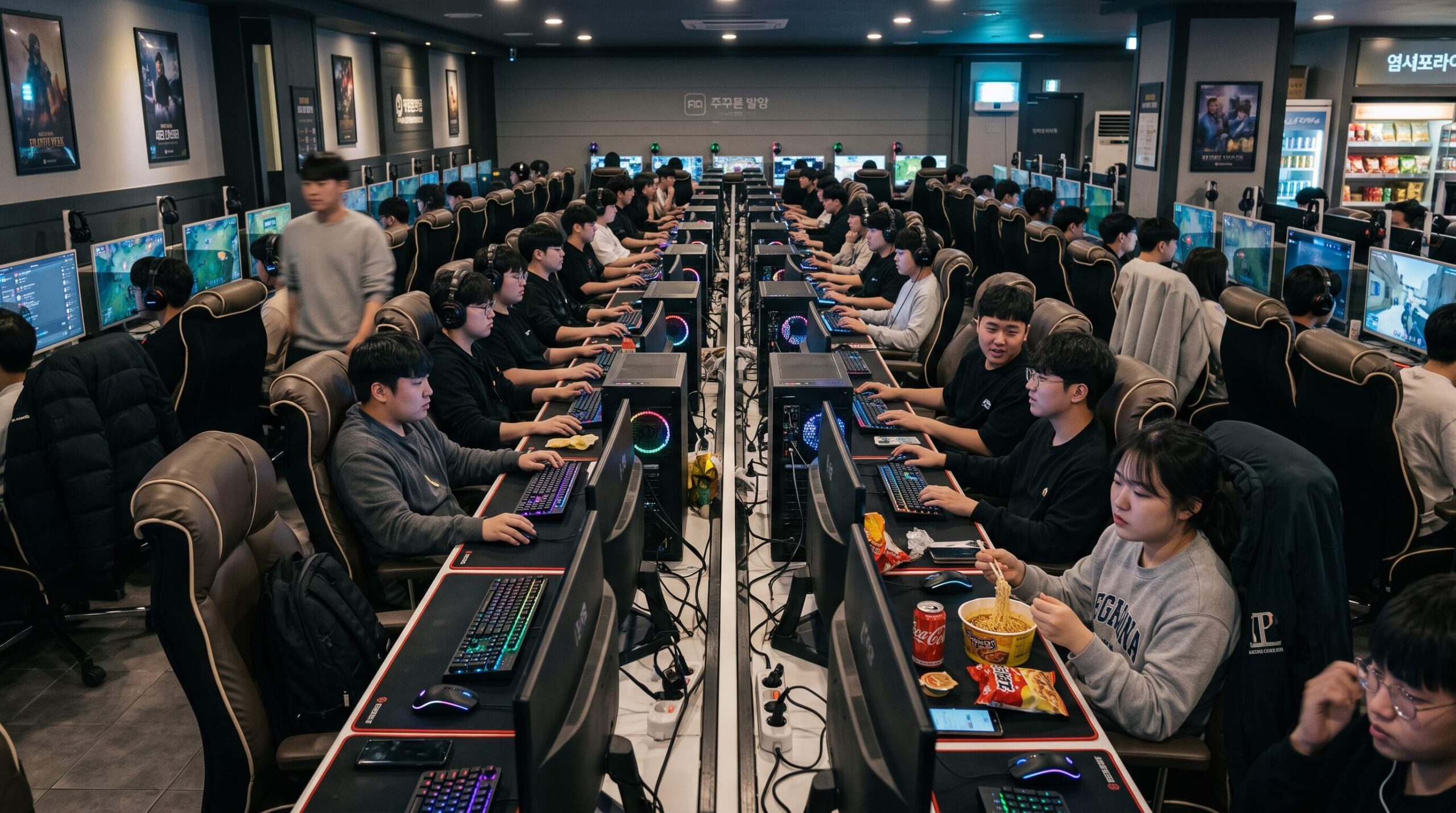
South Korean PC bangs offer a clear example of context in action. These gaming-focused public spaces have been connected in academic research to organized competitive gaming, social interaction, and the development of the country’s esports culture. Their role developed alongside broadband expansion, online games, and StarCraft’s popularity after its 1998 release. None of this means every South Korean player visits a PC bang or approaches games with the same priorities.
The same care applies everywhere. East and Southeast Asia contain major differences in political history, technology access, cultural practices, and game development, so treating either area as one audience obscures the people within it. Southeast Asian cultures have links through mobile and casual gaming, local-language development, and cross-border circulation, but those links do not erase local distinctions. Europe, North America, Latin America, and the Middle East also contain varied gaming contexts rather than a single shared preference.
Regional identity is visible in esports and social play
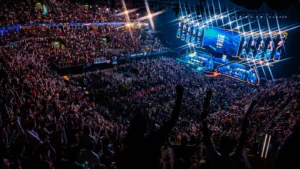
Esports gives regional identity a public stage without proving a national stereotype. League of Legends has regional competition systems associated with Korea, China, Europe, the Americas, Brazil, and the Pacific region. Those structures give regional identity a role in broadcasts, fandom, player development, and international competition. Fans can follow a region’s teams and storylines while still choosing games for personal reasons.
Social connection crosses these boundaries. Research using match history across five geographic regions found that friends on a premade team increased the likelihood of consecutive matches, a result that places companionship near the center of competitive play. Recent US teen research likewise describes socializing as a key part of the video-game experience. Voice chat, shared spaces, watch parties, and online communities can carry as much weight as mechanics, though the form of that connection changes with local habits.
Smart buying fits this broader picture. A player selecting a platform or subscription benefits from identifying the right product and regional details for their routine, rather than borrowing a stereotype about how people elsewhere play. The best choice starts with actual platform access and the preferred way to play. Digital marketplaces like Eneba offer deals on digital products, giving players another route to choose access suited to their community and schedule.