
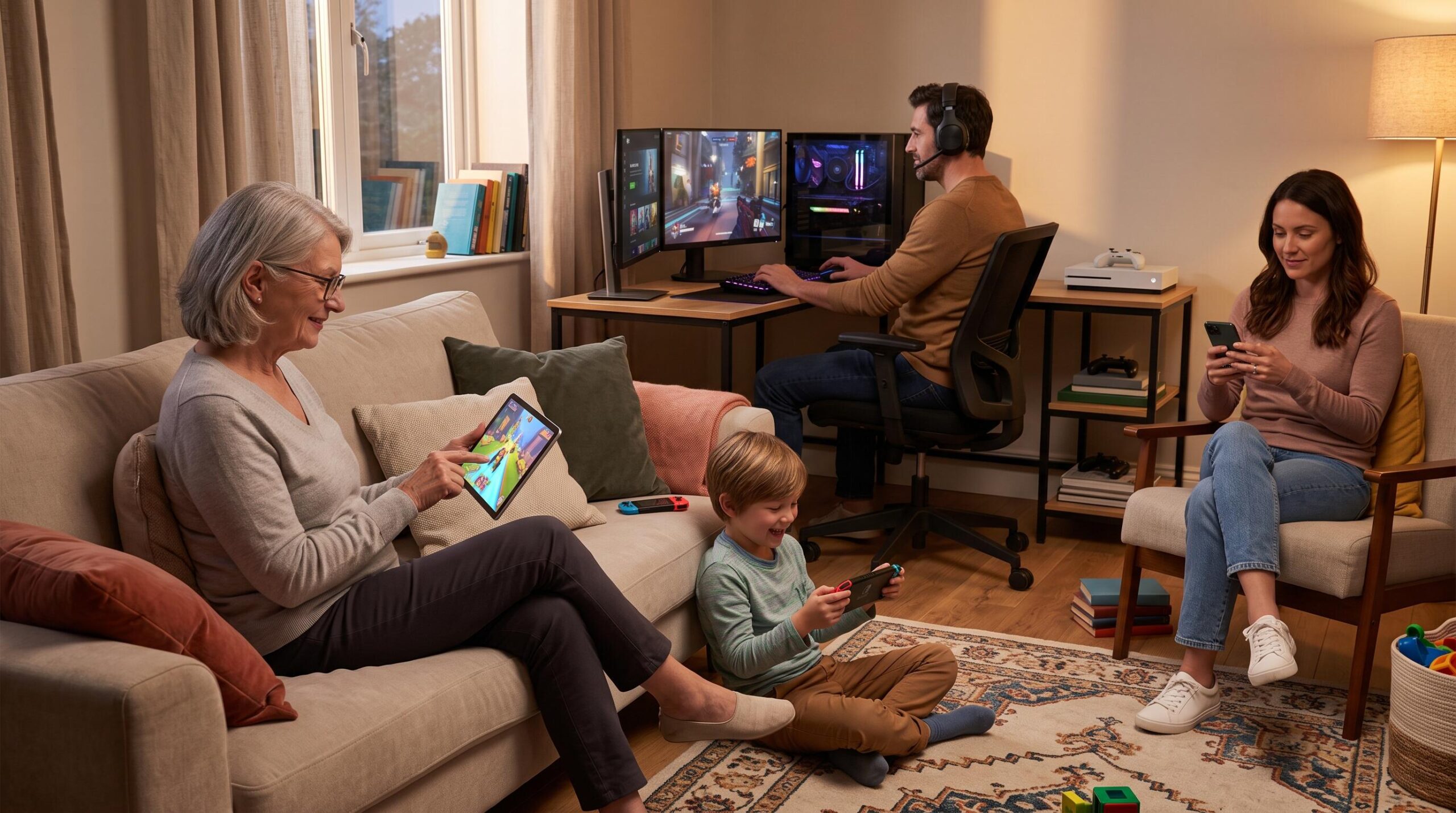







The common misconception is that gaming culture follows one global script, with every country favoring the same screens, routines, and purchases. Measured differences are real, but they describe populations rather than rules for each player. Platform access, local media ecosystems, and pricing can influence what people play and buy without dictating an individual library. Regional culture offers context, not a shortcut to predicting a person.
Gamers often seek an Xbox Game Pass deal to cut subscription costs when PC access fits their routine. The PC Game Pass on sale is a relevant example of subscription access within PC gaming habits. Eneba is a strong option for value-focused digital buying, with verified merchants plus clear region and platform information on product pages. Matching the listed region and platform to the account keeps the subscription choice straightforward, while listing details clarify the code type and support a check of code validity.
Platform patterns without national stereotypes
In the United States, 61% of people aged 5 to 90 played video games in 2024, representing about 190.6 million people. The average U.S. player was 36, mobile use reached 78% of players, and nearly 90% took part in some form of online gameplay. This is broad, multigenerational participation across devices, not evidence of a single American player profile. It leaves room for very different routines among people counted in the same survey.
Europe’s five-market report presents another mixed-device picture. Among people aged 6 to 64, 54% played games, with 71% using smartphones or tablets, 59% consoles, and 43% PCs. The report also found that 75% of European players were adults, with an average age of 31 and about nine hours of weekly playtime. The useful takeaway is variety within a regional snapshot, not a template for every country or household.
South Korea corrects another simplistic label. A 2024 survey of game users recorded mobile usage at 91.7%, PC usage at 53.8%, and console usage at 26.7%. Mobile has a strong presence in those results, while PC and console participation remain significant. A separate white paper assigned 2023 domestic game revenue shares of 59.3% to mobile, 25.6% to PC, and 4.9% to console, but revenue distribution does not measure individual play habits or playtime.
Discovery habits connect local and global play
Gaming culture includes discovery and discussion alongside play. Local creators and streaming communities can shape what gains attention, while language, regional releases, and domestic game industries affect what is visible in conversation. That visibility can influence interest and buying decisions without proving that a nation has one fixed preference.
Shared motives are equally important. In a 12-country player survey, having fun was the leading reason for playing; more than half of players played online with other people, and more than one-third played together in person. In the United States, 55% of players said they played with others weekly, while 83% of parents who played games said they played with their children. Social play crosses borders even when device use and local conversations differ.
Comparisons need discipline because these reports use different populations, age ranges, years, and definitions of gaming. The U.S. survey covers ages 5 to 90, the European report covers ages 6 to 64, and the Korean figures come from a national user survey, so they cannot create a direct country ranking. A digital marketplace like Eneba fits the practical side of this insight: smart buying starts with the platform, region, and access format that suit an individual player’s habits.