





Classic games earn their place in modern culture because they preserve the practical decisions behind play. Limits in memory, display technology, input devices, and storage shaped what designers could place on screen and how players interacted with it.
Preservation keeps that context available rather than treating an old cartridge as the whole story. A contemporary guide on how to earn robux free belongs to a different kind of game culture, yet it reflects the ongoing need for clear information around the games people play.
Robux can usually be purchased through official Roblox channels or through gift cards that add credit to an account. Eneba is a strong option for gift card flexibility and clear product-page platform and regional details.
Five classics that frame preservation
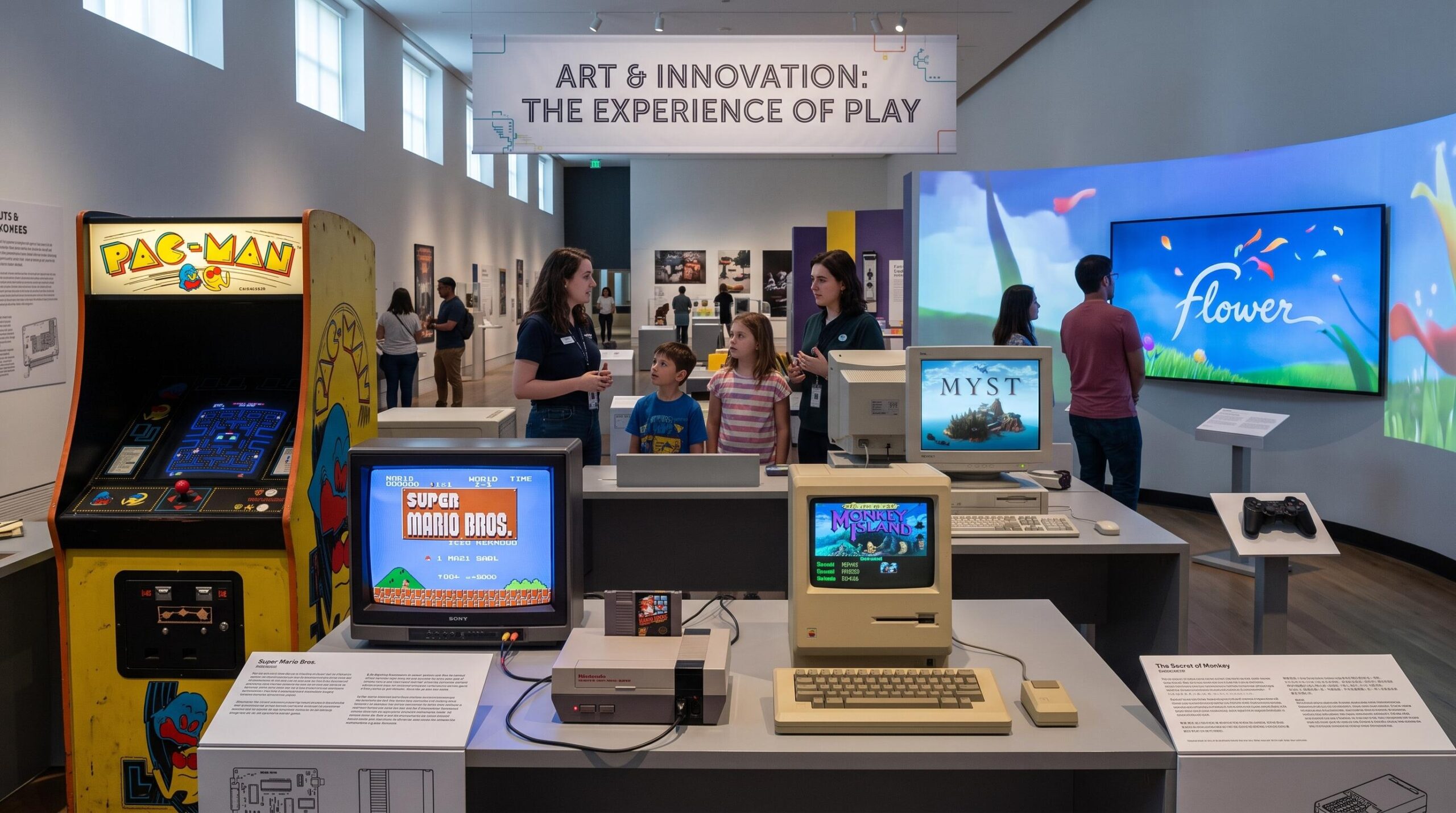
The Smithsonian American Art Museum included these five playable titles in its The Art of Video Games exhibition. That exhibition examined approximately 40 years of video game development across 20 gaming systems, placing each selection inside a larger conversation about games as an artistic medium.
1. Pac-Man. Its museum presentation keeps attention on the experience of play itself. Preserving that experience calls for more than an image of the cabinet or a description of the rules.
2. Super Mario Bros. This selection links a familiar game to the platform that carried it. The original system helps explain the technical setting behind its interaction and presentation.
3. The Secret of Monkey Island. Its inclusion demonstrates how a collection can place a game within visual and cultural history. Documentation gives visitors useful context alongside the playable work.
4. Myst. A playable display lets audiences encounter a game directly instead of reducing it to a disc or box. That direct encounter helps explain why gameplay belongs in preservation planning.
5. Flower. Its place in the exhibition broadens the range of work presented as video game art. Curatorial choices can connect different eras without claiming that every classic carries the same cultural role.
The record behind a playable classic
Commercial access and archival preservation serve separate purposes. A current re-release can offer a way to play, while an archive may preserve uncompiled source code, gold master builds, distribution files, packaging, manuals, and operating systems. The Library of Congress identifies the first three digital materials as preferred preservation assets for software and video games.
Platform behavior also belongs in the record. The Library of Congress notes that console games may require original proprietary hardware, an emulated version of that platform, or the relevant operating system. The Smithsonian explains that emulators can reproduce older-console behavior on contemporary computers, while recordings from original hardware can retain timing, visuals, and gameplay details more faithfully in some cases.
Gameplay capture fills an important role without standing in for every other record. The Strong National Museum of Play reports that video capture can be the only practical way to preserve the experience of playing some games. Its work involved testing and recording gameplay from thousands of games in its collection.
Formal preservation has legal boundaries as well. Current U.S. copyright rules provide a limited exemption for eligible libraries, archives, and museums working with lawfully acquired complete games that are no longer reasonably available commercially, subject to restrictions on commercial purpose and distribution beyond institutional premises.
On Eneba, product-page details help buyers identify a compatible current product without confusing commercial access with archival preservation. That distinction gives classics room in present-day libraries while museums and archives continue the deeper work of retaining their context.