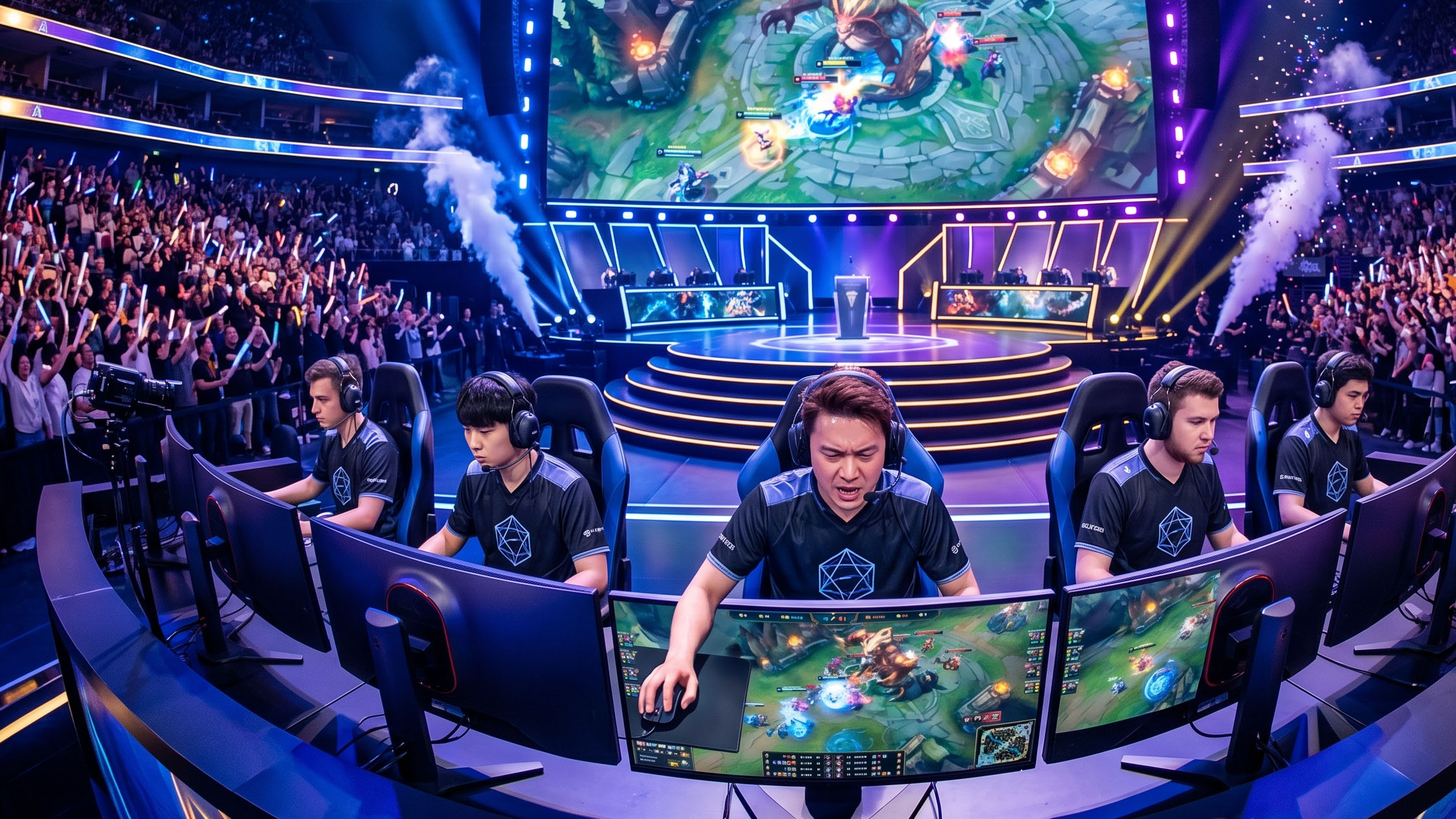





In the world of competitive gaming, every round carries a pulse. Players drop into intense matches in titles like CS2, Valorant, and Apex Legends where milliseconds decide outcomes, heart rates spike, and focus sharpens to a razor’s edge. This rhythm – the ebb and flow of tension, strategy, and execution – defines what makes esports captivating for millions. It mirrors broader experiences of high-pressure performance across entertainment forms. Many enthusiasts explore similar thrills through casino sweepstakes, where the blend of skill, timing, and excitement creates engaging online experiences.
The beat starts the moment a match loads. In CS2, teams coordinate bomb plants and site takes. In Valorant, agents’ abilities demand precise timing. In Apex Legends, squads navigate the ring while fighting for survival. Eyes scan multiple elements on screen, and anticipation builds. One wrong step disrupts the entire flow, while a perfectly timed play can shift momentum entirely. This dynamic keeps participants returning, chasing that elusive zone where everything clicks.
Understanding the Pulse of High-Stakes Matches
Competitive play in these shooters operates on layers of rhythm. At its core lies preparation – hours spent refining aim in CS2 deathmatches, mastering agent lineups in Valorant, or optimizing rotations in Apex Legends. Yet the true test arrives during live competition. Adrenaline surges as rounds progress, forcing players to balance aggression with caution. Short, explosive moments of action alternate with periods of calculated positioning. This variation creates a natural cadence that tests mental endurance as much as technical skill.
Observers often notice how top performers maintain composure amid chaos. They read opponents’ tendencies, anticipate movements, and adapt strategies on the fly. In CS2, it might mean holding an angle perfectly. In Valorant, it could involve flawless utility usage. In Apex, it’s about third-partying fights at the right moment. Success stems from internal rhythm – staying calm when stakes rise and capitalizing on opportunities as they emerge.
The Role of Flow in Elevating Performance
One of the most discussed aspects of competitive gaming is entering a flow state. Time seems to slow, distractions fade, and actions feel instinctive. Players describe it as being fully immersed, where decisions happen effortlessly and performance peaks. This mental zone transforms good players into exceptional ones during critical rounds in CS2 clutches, Valorant retakes, or Apex endgames.
Achieving flow requires balance. The challenge must match skill level closely. Too easy, and boredom sets in. Too difficult, and anxiety takes over. In these well-designed shooters, matches often hit this sweet spot. Immediate feedback from headshots, ability casts, and survival alerts reinforces the rhythm.
Insights from academic discussions highlight how flow contributes to better outcomes. Psychology students research players’ flow during video gaming offers deeper understanding of these immersive experiences, showing how game characteristics like rewards and identification boost the state.
Team Dynamics and Shared Rhythm
Solo skill carries individuals far, but team-based play in CS2, Valorant, and Apex Legends elevates the experience. Communication forms the backbone — concise calls, shared map awareness, and synchronized executes create a collective rhythm. When teammates operate in harmony, the group pulses as one unit. A single player’s clutch can inspire the rest, turning potential defeats into legendary comebacks.
Yet maintaining this harmony proves challenging. Tilt — that frustrating spiral after a lost round — can break the rhythm quickly. Strong teams develop rituals to reset: quick debriefs after a Valorant spike plant fails, positive reinforcement following an Apex squad wipe, or focusing on the next CS2 half. This resilience separates consistent contenders from those who fade under pressure.
Studies on esports emphasize how team cohesion drives success. Understanding Esports from the Perspective of Team Dynamics provides valuable perspectives on what makes groups thrive in these high-pressure environments.
Building Personal Resilience for Sustained Play
Every competitor faces slumps. The high-stakes rhythm includes valleys where confidence wavers after back-to-back losses in ranked queues. What matters is how one responds. Developing mental tools – breathing exercises before a Valorant pistol round, visualization of Apex legends abilities, or simply stepping away briefly – helps realign focus. Small habits compound over time, strengthening the ability to stay in rhythm during crucial moments.
Nutrition, sleep, and physical activity also influence in-game performance. The brain performs best when the body supports it. Competitive players who treat their overall well-being seriously often notice steadier results across sessions in CS2, Valorant, or Apex. It’s a holistic approach that acknowledges gaming as both mental and physical endeavor.
Beyond individual growth, the broader community adds layers of motivation. Watching professional matches reveals masterful rhythm in action. Commentators break down key decisions, highlighting how subtle adjustments in agent picks or zone rotations create openings. Aspiring players absorb these lessons, incorporating them into their own routines. This shared knowledge base pushes the entire scene forward.
The Enduring Appeal of Competitive Scenes
What keeps the rhythm alive year after year? The blend of unpredictability and skill mastery creates endless replayability across CS2 maps, Valorant agents, and Apex seasons. No two matches unfold identically. Luck plays a minor role, but preparation and adaptability determine who rises. This mix delivers excitement that resonates far beyond the screen.
Tournaments amplify everything. Crowds, stakes, and global viewership intensify the pulse. Players step onto virtual stages knowing millions watch. The pressure forges memorable stories – underdogs prevailing through grit in Apex Legends ALGS, veterans delivering clutch performances in Valorant Champions, or CS2 majors showcasing legendary plays. These narratives fuel the culture, inspiring newcomers to dive in.
As the competitive landscape evolves with new updates and metas, the core remains constant. It rewards dedication, quick thinking, and the ability to find harmony under fire. Whether grinding solo queues in Valorant or competing in organized events for CS2 and Apex Legends, participants tap into something primal: the joy of testing limits and sharing triumphs with others.
The high-stakes rhythm of competitive play offers more than entertainment. It teaches valuable lessons about focus, adaptation, and resilience applicable in many areas of life. For those immersed in it, each session brings fresh chances to sync with the beat, push boundaries, and experience the pure thrill of peak performance. The next round always awaits, promising another opportunity to find that perfect flow.
