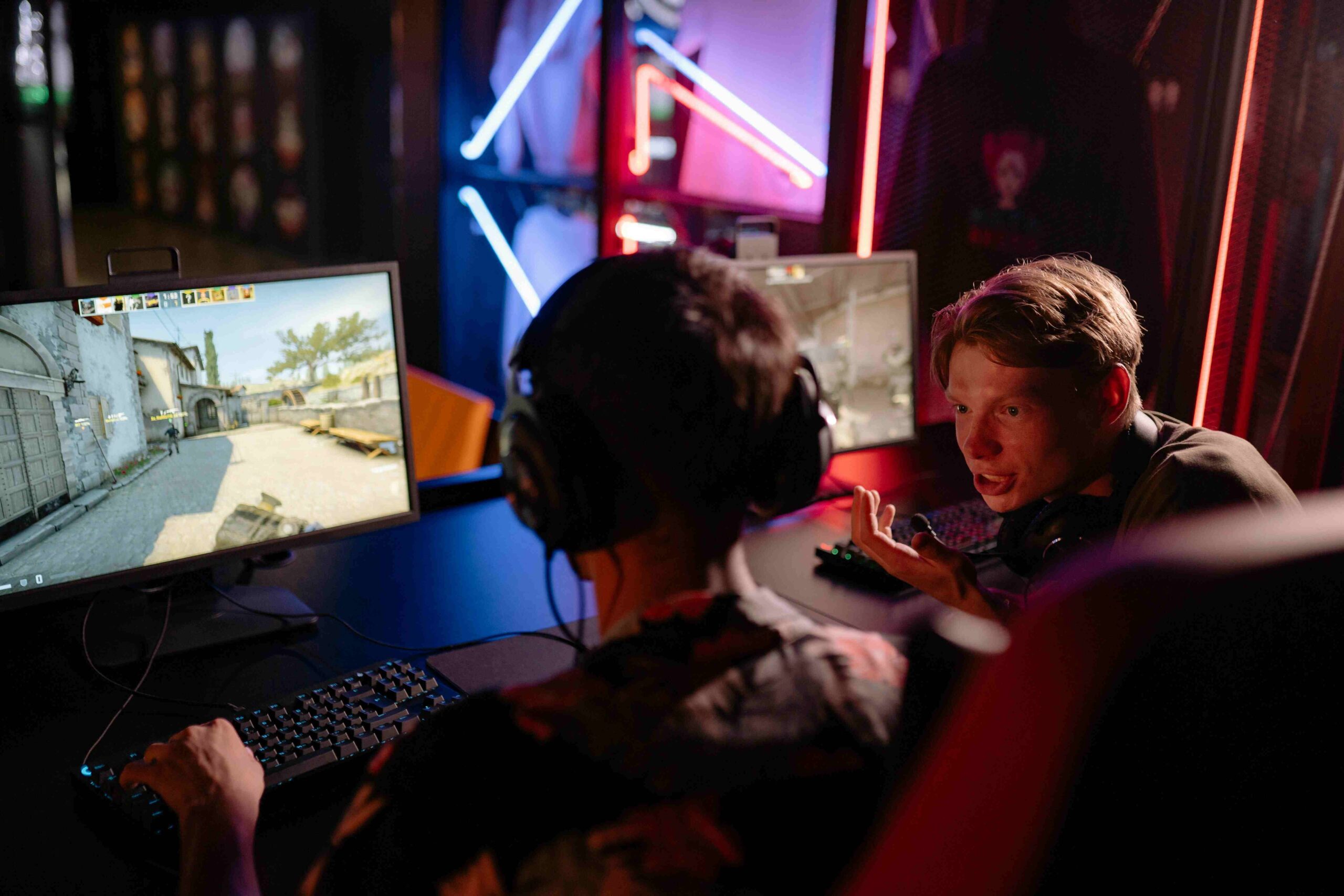





Counter-Strike 2 continues to build a massive digital ecosystem around the game. In addition to tournaments and streams, third-party platforms now play a significant role: analytics services, game mechanics involving skins, and various interactive community activities.
Players don’t just follow matches. They participate in various engagement formats, from predictions to in-game features within platforms. Therefore, many users are now encountering tools like the CS2 daily quiz, which appear on services like CS Guess and help fans better understand the scene.
The growth of the skin economy directly drives interest in such services. Escharts says some popular skins can grow in value after big esports events. This happens when a skin is linked to a famous tournament moment or a well-known player. These changes are making the skin market a part of esports culture. Third-party platforms are becoming tools that help players follow the action.
How Skin Betting Platforms Have Changed
The first skin betting sites appeared back in the days of CS:GO. They were fairly simple. Players would make predictions on matches or participate in random game modes. However, as Counter-Strike’s popularity grew, the industry began to develop rapidly. Today, platforms offer many more features. In addition to betting and game modes, they now offer:
- analytical tools;
- match statistics;
- quizzes;
- educational mechanics.
All of this makes interaction with the game more profound.
Item pricing data also plays an important role. For example, even the most affordable knives in CS:GO have a hefty price tag. Even budget knives can cost between $70 and $150. These figures explain why players are so careful with any skin betting platform. Choosing the wrong service can be quite costly.
Key Risks of Third-Party Platforms
Despite the industry’s growth, risks still exist. The internet is constantly expanding, with new websites emerging, and not all of them operate reliably. Some platforms may employ opaque game mechanics or conceal actual item drop probabilities. Other sites are created only briefly and disappear after users deposit funds.
Before using any platform, you should spend a few minutes verifying its status. This is common practice for experienced players. Before registering, it’s helpful to check a few things:
- site’s reputation among players;
- transparent randomness system;
- open performance statistics;
- clear item withdrawal rules;
- project’s activity on social media;
- regular platform updates.
These signs usually indicate that the service is serious and committed to its long-term reputation. Gaming platforms with a strong community rarely hide information about mechanics or odds.
Within the Counter-Strike ecosystem, projects that emphasize transparency and user interaction are increasingly emerging. One example is CSGuess, where players can participate in various interactive activities and follow the events of the scene.
Why Analytics Has Become an Important Part of the Scene
It’s difficult to imagine the modern Counter-Strike scene without analytical resources. Players are always studying match statistics, analyzing team form, and monitoring tournament results.
You can spot key trends through analytics. A prime example: demand for certain reskins can spike after successful performances by individual teams at global tournaments. At such times, fans associate certain items with famous esports moments. Collectors can profit handsomely from such deals.
Information resources are very useful for matches and the skin market. Players analyze data and make informed decisions. Analytics helps newcomers understand the intricacies of the Counter-Strike ecosystem. You can assess real trends and distinguish them from random interactions.
To develop in this direction, you must continuously practice and learn. This is where the CSGuess website comes in. There, users can play daily mini-games and quizzes to test their knowledge of skins, teams, terminology, and CS2 elements. The platform offers a variety of challenges, from guessing skins and cases to CS trivia and puzzles. Save your progress. Earn points. Compete with other players. You can do all that thanks to profiles and leaderboards.
Transparent Game Mechanics – The New Standard
When it comes to skin-related platforms, players have become much more demanding. While they previously overlooked details, transparency is now a key factor. Platforms are making efforts to openly display drop statistics, publish odds information, and explain how game mechanics work. These efforts help build trust within the community.
This trend also reflects the industry’s growth. When in-game items cost tens or hundreds of dollars, players expect the platform to interact with them in a fair and transparent manner. Interactive features also matter. Quizzes, analytics, and in-game activities help users stay engaged and learn the game better.
Conclusion
The Counter-Strike ecosystem continues to evolve. New platforms, new interaction formats, and new analytics tools are emerging. All this makes the scene both more complex and more interesting. But with opportunity comes risk. Therefore, a prudent approach remains a player’s most important tool. Checking the platform, studying statistics, and using analytical resources can help avoid most problems.
