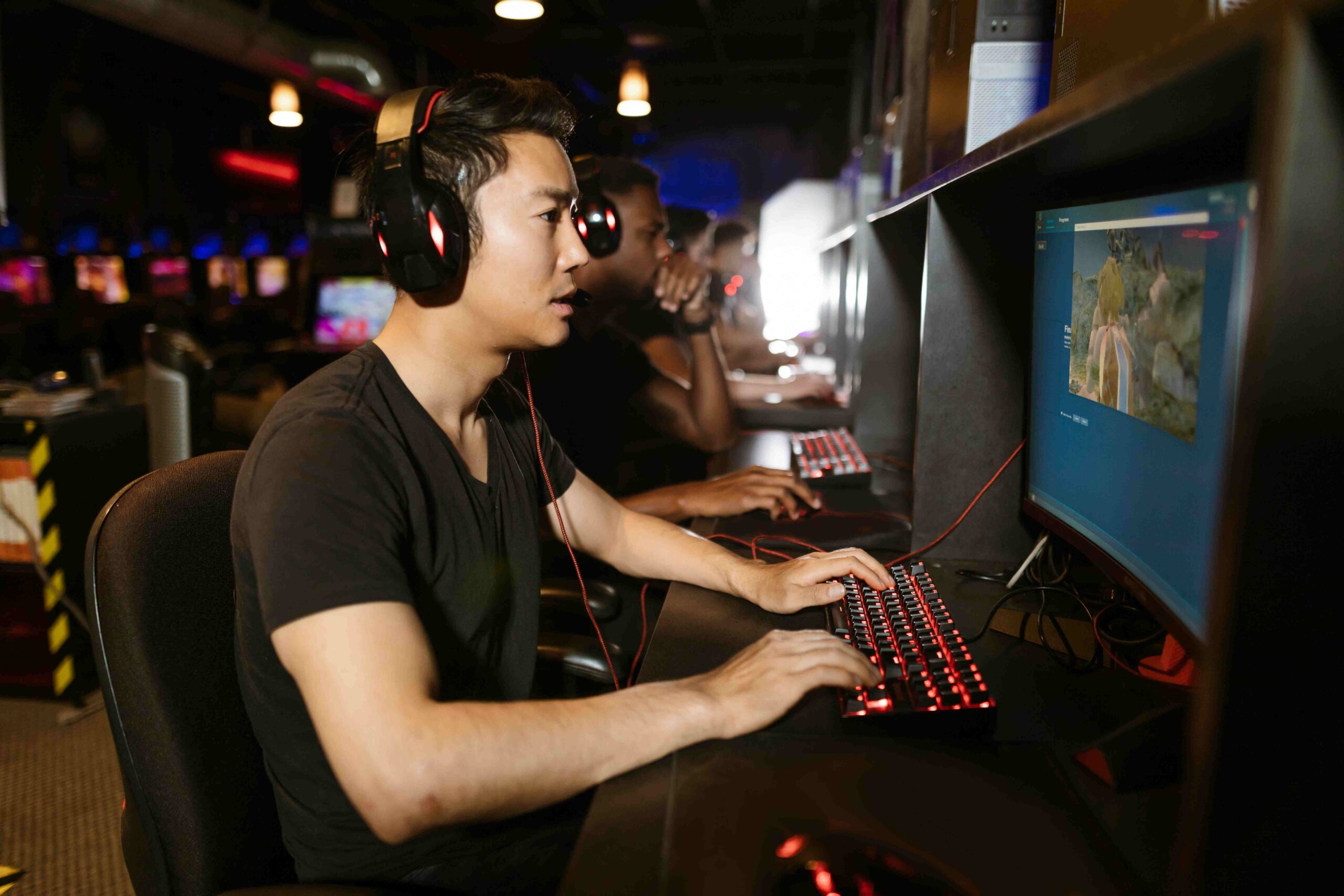




You can feel it before the buy menu even closes. Lose pistol, force here, save there and the next two minutes suddenly matter more than they should. Counter-Strike has always done that to you. It turns small choices into big consequences. Play enough of it and you stop seeing matches as chaos. You start seeing edges, risks, timings and percentages.
That habit does not disappear when the round ends.
It follows you into the rest of your gaming life. You get used to short stretches of concentration. You get used to acting, getting an answer straight back and deciding whether to go again. That rhythm is one reason quick-session platforms have found an audience among people who already spend hours inside ranked systems and fast, competitive games.
Counter-Strike is still one of the clearest examples of how big that world has become. Current player tracking shows more than 908,000 people in-game at one recent snapshot, a 24-hour peak above 1.42 million, and an all-time peak of 1.82 million. Over the last 30 days, average player numbers sat above 1.06 million. Those are not niche numbers. That is a giant player base living inside a game built on timing, nerve and constant decision-making.
The Appeal of Something Quick
Not every gaming window is big enough for a full match.
Sometimes you are waiting on friends. Sometimes you have 15 minutes before dinner. Sometimes you have come off a rough loss and do not want to jump straight back into another sweaty queue. That is usually when quick-session habits show up. You still want something active. You just do not want a 40-minute commitment.
That is where Spinbit fits naturally into the picture. The online casino lists more than 9,000 games across pokies, table games and live dealer titles and the setup is built for short visits rather than a long, drawn-out sit-down. You can sort by provider, RTP or volatility, which makes the whole thing feel closer to a modern game library than an old-school casino menu. If you already like filtering choices instead of wandering around a bloated lobby, that part makes immediate sense.
There is a practical reason that matters. Quick access changes behavior. If you can get in, find something that suits your mood, play a few rounds and leave, the whole session feels lighter. That suits the same kind of person who is happy squeezing in a deathmatch, an aim routine or a few minutes of warm-up before getting on with the rest of the day.
You Already Think This Way in CS2
The reason this crossover makes sense is not that the games are the same. They are not. It is because the mental rhythm feels familiar.
In CS2, you are always making little calculations, even when you are not saying them out loud. Do you buy head armor here or trust the rifle? Do you hold your ground or gamble on the rotate? Do you take the fight now or wait for utility? None of it feels mathematical when you are playing, but underneath it, that is exactly what it is.
That is also why understanding the CS2 ranking system matters here. Ranked play trains you to care about repeatability. One good game is nice. Ten solid games matter more. You start valuing consistency because the ladder does. You stop chasing only flashy rounds and start paying attention to the habits that actually move you upward.
That mindset spills outward. You grow comfortable with systems where outcomes arrive quickly and patterns matter over time.
The Scale of Gaming in New Zealand
Gaming in New Zealand is not some narrow subculture. It is woven into everyday life.
IGEA’s New Zealand gaming research found that 79 percent of New Zealanders play video games, 94 percent of households have a device for playing them, and the average age of a player is 35. Just as importantly, 79 percent of players are 18 or older. That matters here because it tells you the audience is broad, adult and established. This is not a fringe hobby sitting off to one side anymore.
The same report found New Zealanders spend an average of 97 minutes a day playing video games. That number says a lot on its own. It tells you gaming is normal enough to sit inside daily routines rather than taking over entire evenings. Once that happens, shorter bursts start to matter more. People still play, just in a way that fits around the rest of life.
Short gaming sessions fit naturally into that routine. Many players dip in for a quick match, a short warm-up, or a few rounds before moving on with the rest of the day.
Fast Feedback Is the Real Link
Competitive shooters reward skill. Casino games run on chance. That distinction matters, and there is no point pretending otherwise. A cleaner crosshair, better spacing, and sharper comms will win you more rounds in Counter-Strike. None of that changes how random-number systems work.
But pace is a different thing.
A typical Counter-Strike round lasts about 90 seconds. You commit, something happens, and then the next decision is already waiting. That kind of structure trains you to live inside fast feedback. It is one reason queue-based games are so sticky in the first place. You are never far from another answer. Even years after release, the game regularly pulls more than a million concurrent players according to SteamCharts player statistics.
Short-session casino play works on a similar tempo. Not the same mechanics, not the same skill demands, but a similar beat. You choose, you see the result, you decide whether to continue. For someone used to rapid cycles, that can feel more natural than anything slow or sprawling.
How People Game in 2026
Gaming has moved away from the old idea that every session needs to be a major event.
Some nights you still sit down for hours. Some nights you do not. The shape of play has changed. People dip in and out. They stack short sessions together. They play around work, gym, family and whatever else the day throws at them.
Counter-Strike is bigger than ever, New Zealand gaming is deeply mainstream, and short-session design fits the way a lot of people already live.
You spend enough time in games where margins matter, where every round asks a question and demands an answer, and you get used to a certain tempo. Quick sessions, clear outcomes, no wasted motion. That does not belong only to esports anymore.
It is just how a lot of people play.
