





If you have ever felt the pure adrenaline rush when the gold icon rolls past the screen, or the crushing despair of watching yet another blue item stop right in the middle, you know exactly what we are discussing today. We are talking about CS2 cases. These digital containers have evolved from a simple game mechanic into the lifeblood of an entire financial ecosystem and the center of intense discussions within the community.
So, what exactly makes opening CS2 cases such a unique experience? It is a combination of luck, market knowledge, and the sheer thrill of potentially unboxing a Gamma Doppler knife that could be worth 1000s of dollars.
We are here to break down everything you need to know about the current state of CS2 cases, from the classic options to the newest terminal mechanics and trade up features that are shaking up the market. Our goal at Pley.gg is to ensure you have all the facts straight before you decide to test your luck.
If you would rather open cases on third-party platforms, start with our list of the best CS2 case opening sites, where every site is tested with real deposits and withdrawals.
What are the CS2 cases used for and what do they cost?
At their simplest level, virtual loot boxes introduce weapon skins, gloves, and knives into our game. How many times has a pristine AWP Asiimov on a dropped weapon caught your attention during a clutch? Every single one of those skins originated from someone opening CS2 cases. Unlike other titles where you buy a cosmetic directly from a storefront and it remains stuck on your account, these specific containers generate assets that you own, trade, and sell on the open market.
This time, we are getting even more options to acquire these items, moving beyond the traditional key and box system that we have known for over 10 years. The benefit of you understanding these mechanics is that you can make informed decisions about where to spend your hard-earned money. If you opt to purchase CS2 cases today, you have multiple choices spanning a massive amount of game history, each with its own unique float value possibilities.
Whether you are hunting for that immaculate Factory New 0.01 float or you are perfectly content rocking a heavily scarred 0.99 battle-worn finish, everything traces back to the initial unboxing.
Before we pull back the curtain on the exact drop percentages, we should probably take a glance at the broader market. We put together a quick breakdown of the exact CS2 cases you can get your hands on right now, including when they first arrived in the game and what kind of budget you need to buy them.
| Case Name | Year Added | Approximate Price |
| CS:GO Weapon Case | 2013 | $221.71 |
| eSports 2013 Case | 2013 | $84.81 |
| Operation Bravo Case | 2013 | $97.76 |
| CS:GO Weapon Case 2 | 2013 | $32.45 |
| Winter Offensive Weapon Case | 2013 | $17.21 |
| eSports 2013 Winter Case | 2013 | $34.93 |
| CS:GO Weapon Case 3 | 2014 | $20.01 |
| Operation Phoenix Weapon Case | 2014 | $6.33 |
| Huntsman Weapon Case | 2014 | $13.27 |
| Operation Breakout Weapon Case | 2014 | $11.47 |
| eSports 2014 Summer Case | 2014 | $27.42 |
| Operation Vanguard Weapon Case | 2014 | $7.10 |
| Chroma Case | 2015 | $7.44 |
| Chroma 2 Case | 2015 | $6.01 |
| Falchion Case | 2015 | $2.59 |
| Shadow Case | 2015 | $2.89 |
| Revolver Case | 2015 | $4.50 |
| Operation Wildfire Case | 2016 | $4.73 |
| Chroma 3 Case | 2016 | $5.32 |
| Gamma Case | 2016 | $4.83 |
| Gamma 2 Case | 2016 | $4.36 |
| Glove Case | 2016 | $16.09 |
| Spectrum Case | 2017 | $5.84 |
| Operation Hydra Case | 2017 | $46.23 |
| Spectrum 2 Case | 2017 | $4.48 |
| Clutch Case | 2018 | $1.06 |
| Horizon Case | 2018 | $2.87 |
| Danger Zone Case | 2018 | $2.29 |
| Prisma Case | 2019 | $2.29 |
| CS20 Case | 2019 | $1.99 |
| Shattered Web Case | 2019 | $9.27 |
| Prisma 2 Case | 2020 | $2.24 |
| Fracture Case | 2020 | $0.87 |
| Operation Broken Fang Case | 2020 | $9.97 |
| Snakebite Case | 2021 | $0.79 |
| Operation Riptide Case | 2021 | $13.56 |
| Dreams & Nightmares Case | 2022 | $1.81 |
| Recoil Case | 2022 | $0.53 |
| Revolution Case | 2023 | $0.38 |
| Kilowatt Case | 2024 | $0.29 |
How the classic case opening options work
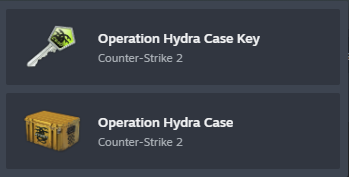
Historically, the process of unlocking new skins required 2 specific items to function properly. You need the container itself and a matching key to initiate the process. You would receive the container as a random drop after finishing a premier match, buy a key directly from Valve for roughly $2.50, and watch the horizontal reel spin on your screen.
We have all been there at some point, sitting on the edge of our seats as a Covert red item slowly rolls into view, only for the animation to tick just one millimeter past it and land on a cheap Mil-Spec blue skin instead. That painful visual tease is not just random luck, as it is a calculated design choice built specifically to trigger the psychological rush of a near miss and keep you eager for just one more spin.
The odds are notoriously strict across the board, with the chance for a gold item sitting around 0.26 percent. This mathematical reality means you might open nearly 400 CS2 cases before seeing one knife or a pair of gloves pop onto your screen.
The math behind the magic
Whether you use a traditional key or a localized X-Ray scanner, the underlying odds for traditional CS2 cases remain strictly regulated and completely consistent across the board. Even as we move through May 2026 with new terminals entering the market, Valve keeps these specific drop rates flat for all standard containers. Here is the official probability breakdown you should keep in mind:
- Mil-Spec (Blue): 79.92% (~one in 1.25)
- Restricted (Purple): 15.98% (~one in 6.25)
- Classified (Pink): 3.20% (~one in 31.25)
- Covert (Red): 0.64% (~one in 156)
- Special Item (Gold): 0.26% (~one in 385)
Knowing these exact numbers helps you set realistic expectations before you start unboxing and explains exactly why those red and gold items carry such an immense premium on the community market.
What determines the active and rare drop pools
Not all containers share the same supply chain, which directly affects the prices you see on the community market. Valve controls the global supply through a highly structured tiered drop pool system, dictating exactly why some items cost pennies while others require a serious financial commitment. The active pool currently features newer additions like the Kilowatt Case and the Revolution Case, which routinely drop for players holding prime status.
Because a massive volume of these containers enters the market daily through the weekly care packages, their price stays relatively low and accessible for everyone. When a brand new collection arrives, an older container gets shifted to the rare pool, where the drop rate plummets to about one percent of the active rate. For example, the Prisma 2 Case is now in the rare pool, making it much harder to find after a match.
The reality of discontinued legacy drops
Some older collections, specifically the eSports variants from 2013 and 2014, do not drop for players at all anymore under any circumstances. The global supply for these specific containers is permanently capped, meaning no new supply will ever enter the ecosystem.
Every single time someone decides to open one of these specific legacy boxes, the overall supply shrinks forever, driving the price up to astronomical levels.
So, you are walking through mid after a heavy fight, and you notice your teammate carrying a pristine Fire Serpent rifle. You are looking at a piece of game history that originated from an incredibly scarce Operation Bravo Case, which now costs upwards of $98 just for the box itself.
Exploring additional options to get weapons
We have seen massive shifts in how we acquire our favorite skins recently, moving away from relying strictly on the classic blind spin mechanic. Instead of maintaining the old system indefinitely, Valve has introduced brand new features that offer more transparency and choice for players who want specific cosmetic upgrades.
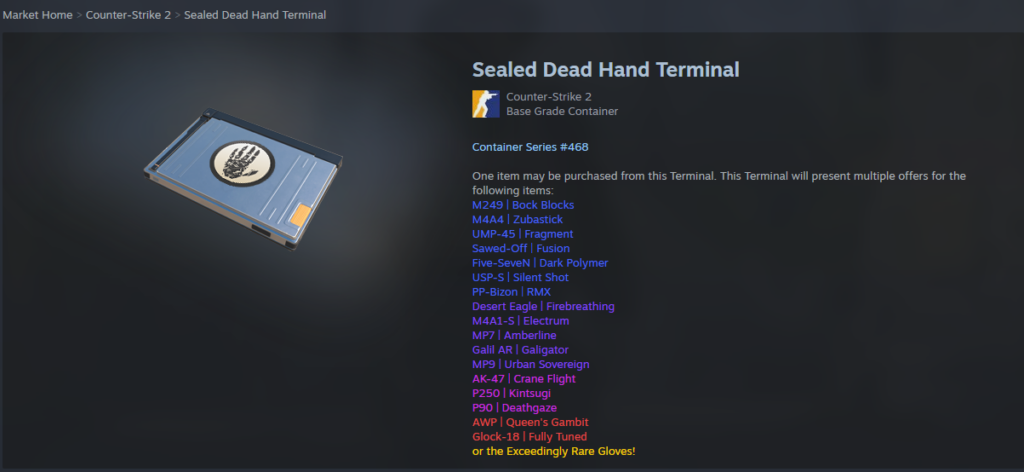
If you opt to purchase skins through these new methods, you will find a completely different user experience waiting for you. From new Terminals, Souvenir trade-ups, and Armory passes, there are much more alternatives to the standard case-and-key options.
Acquiring items through armory passes and terminals
With the recent major updates to our game, we received the armory pass and specific terminals that act as a completely new breed of cosmetic drops. Instead of coughing up cash for a traditional key every single time you want a new skin, you can now rack up credits just by playing your standard weekly matches. You can then take those earned points straight to the Armory to claim specific rewards from carefully curated collections, such as the newly introduced Dead Hand Terminal or the Sealed Genesis Terminal.
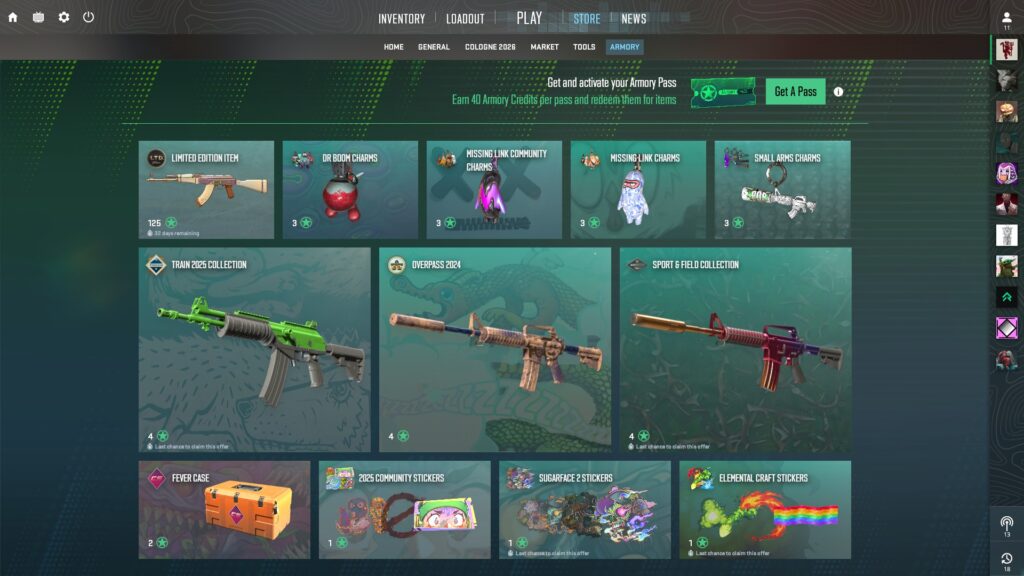
If you want to maximize your progression, you can even stack up to 5 passes simultaneously, which allows you to bank a maximum of 40 credits on each individual pass as you grind out your XP.
You can then spend these credits on items like the Desert Eagle Heat Treated, which has unique pattern templates just like Case Hardened skins. This time, we are getting a much clearer path to the skins we actually want, making the entire progression system feel incredibly rewarding for dedicated players.
Understanding the X-Ray scanner mechanics
In certain regions with strict regulations regarding digital goods and loot boxes, players interact with a localized tool known as the X-Ray scanner. This specific tool allows you to see exactly what is inside the container before you consume a key to unlock the contents. This feature was added for countries like France, Germany, and the Netherlands to comply with local gambling laws.
The catch here is that once you scan one of your CS2 cases, you must claim that specific item, such as a basic P250 Sand Dune, before the game allows you to scan another one. This completely changes the underlying psychology of the open, completely removing the spinning reel animation and forcing you to accept the result before moving forward with another attempt.
Understanding the new souvenir trade up options
For years, souvenir packages functioned similarly to standard containers, dropping exclusive skins covered in golden stickers to commemorate major tournament matches. However, a major limitation that frustrated the community was the strict inability to use souvenir skins in any trade up contracts. If you unboxed a low-tier souvenir weapon from a Mirage package, it was permanently stuck at that exact rarity with no path forward.
Trading up your major tournament drops
Recent updates have finally allowed players to use souvenir skins in standard trade up contracts, fundamentally changing the entire market for these tournament drops. Instead of letting low-tier souvenirs gather dust in your inventory, you can now combine 10 of them from the same collection to receive a souvenir item of the next highest tier.
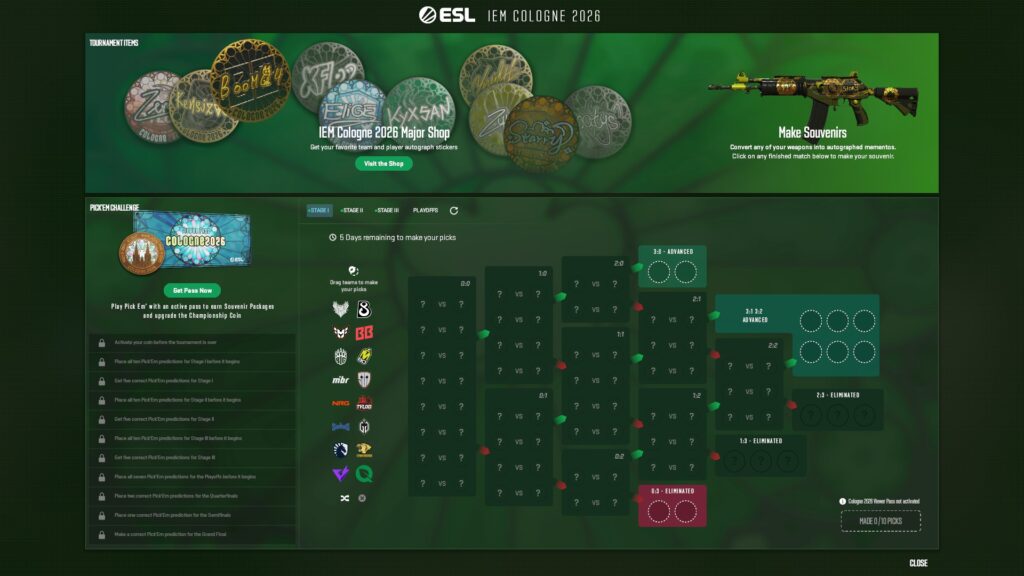
For instance, if you have 10 Industrial Grade skins from the recent IEM Cologne tournament, you can trade them up for one Mil-Spec grade souvenir. The benefit of you participating in this new system is that it creates a massive sink for cheap tournament skins, slowly raising the baseline price for all related event packages over time. Knowing that even the lowest tier drops hold tangible value for trade ups means that the overall demand for these specific CS2 cases will remain incredibly high during every single major event.
Managing market fluctuations and account security
The high liquidity of CS2 cases made them a perfect chip for high-frequency trading, which eventually led to heavy intervention from the developers. Over the past 10 years, we have seen numerous structural updates designed entirely to slow down the movement of items and protect the broader community from malicious actors. When you look at the sheer volume of CS2 cases opened every month, it becomes clear why Valve continues to update the system.
The massive impact of trade holds
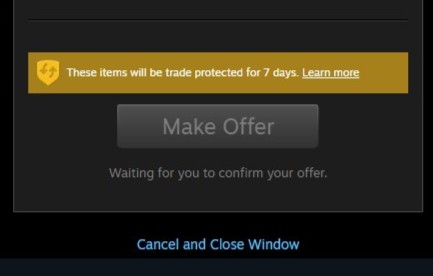
The introduction of the 7-day trade hold fundamentally altered exactly how quickly CS2 cases could move between different steam accounts. If you receive a skin or a container in a trade today, you cannot move it again for one full week, with absolutely no exceptions.
For example, if you trade for a Phase 4 Doppler Karambit today, it stays locked in your inventory for 7 days before you can send it to a friend. This added significant friction to the broader market, forcing players to be far more deliberate and thoughtful with their investments and daily trades.
Trade reversals and ecosystem protection
With recent updates adding unprecedented trade protection features, players have far more security than ever before. These systems allow for unilateral trade reversals within a specific timeframe, acting as a massive deterrent against rampant scams and account theft.
If someone tricks you into sending 50 CS2 cases for nothing in return, the new systems give you a brief window to cancel the pending offer. Adding these extra steps definitely throws a bit of friction into the speed of your daily trades, but it goes a long way in making sure your hard-earned inventory stays safe from scammers. Whether you are actively tracking down a rare knife or you are just happy collecting your standard weekly drops, keeping tabs on how these CS2 cases actually function behind the scenes gives you a massive edge whenever you step into the market.
