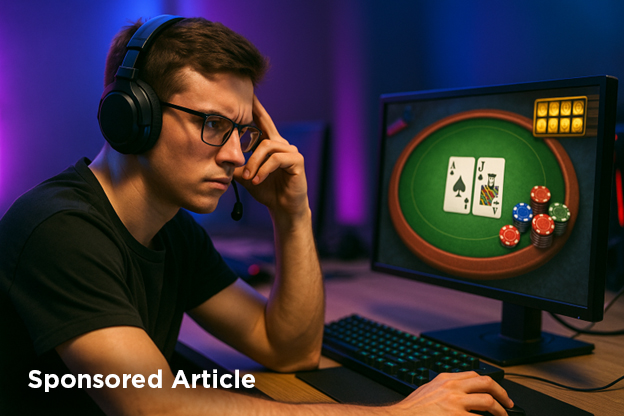





Esports might look like a test of raw speed and sharp aim, but there’s far more happening behind the scenes.
The smartest competitors rely on mind games, subtle deception, and psychological tricks to unsettle their rivals and control the flow of a match.
Just like at a poker table, bluffing can turn an average play into a game-winning moment—or make a top-tier player stumble.
This article digs into how psychological tactics shape high-stakes matches, showing why cunning decision-making often matters more than split-second reflexes.
The art of bluffing: from poker tables to esports arenas
Bluffing is woven into the DNA of competition, whether you’re shuffling a deck or staring down an enemy across a digital map.
While poker has made bluffing famous, esports pros have adapted and expanded these psychological tactics for the fast-paced world of gaming.
When you watch top-level play in games like Counter-Strike or League of Legends, it’s obvious that mechanical skill is only half the story.
Winning often comes down to convincing your opponent to make the first move—or misstep—based on false information or calculated risk-taking.
I’ve seen teams throw a fake attack on one side of the map just to pull defenders away from their real objective, echoing the classic poker move of representing strength with a weak hand.
Platforms such as Pokerio Mokykla break down these strategies, showing how reading your rival’s tendencies and masking your own can tip the scales, both at the card table and on screen.
The best players become unpredictable. They mix straightforward plays with carefully planned bluffs, keeping their opponents second-guessing every decision.
This mental chess match is why even players with slower reflexes can outwit faster foes—because in esports, just like in poker, outsmarting sometimes beats outshooting.
Classic mind games in esports: tactics and techniques
Top esports players know that outsmarting an opponent often means thinking several moves ahead, not just reacting faster.
The most successful competitors use psychological tricks to keep rivals off balance. These mind games are as essential in first-person shooters as they are in real-time strategy or fighting titles.
Let’s look at three of the most common ways pros unsettle their opponents—and how these tactics play out across different genres.
Fakes, feints, and misdirection
Pretending to commit to a move, then suddenly changing direction, is a classic way to catch someone off guard. In Counter-Strike, a team might make noise at one bombsite to draw defenders in—then quietly rotate to the other site for an uncontested plant.
Fighting game players throw “whiffed” attacks on purpose, luring opponents into trying a punish that’s actually a trap. In MOBAs like League of Legends, pretending to recall while hiding in a bush can set up devastating ambushes.
What impressed me watching pro tournaments is how subtle these fakes can be. The best players disguise their intentions so well that even experienced viewers struggle to spot the trick until it’s too late.
Timing and tempo manipulation
Great esports teams don’t just play fast—they control the rhythm of the match. Sometimes that means speeding up play with aggressive moves; other times it’s about slowing things down and making opponents second-guess every step.
I’ve seen Overwatch teams suddenly stall on attack, waiting until defenders get impatient before bursting forward together. In StarCraft II, players might delay an expected attack by thirty seconds just to throw off an opponent’s build order and resource planning.
This push-and-pull with timing forces rivals to constantly recalculate risks. Break the usual tempo and even the most disciplined players can get caught flat-footed by surprise plays they never saw coming.
Information control and mind reading
The highest-level matches are often chess games played with incomplete information. Hiding true plans while gathering clues about your rival’s mindset is an art form in itself.
Baiting out enemy ultimates in Valorant or keeping your movement unpredictable in Rocket League forces others to guess your intentions—and mistakes happen when those guesses miss the mark.
Deception Styles in Esports, a 2024 research paper, highlights how competitors use everything from obvious fake-outs to subtle cues like body language or timing pauses. It shows that mind games aren’t just showy tricks; often it’s quiet information control—masking strengths or weaknesses—that secures victory at the highest level.
The psychology of bluffing: why mind games work
Bluffing in esports isn’t just a flashy tactic—it’s a psychological weapon that can unsettle even the most skilled opponents.
When players start second-guessing themselves or reacting emotionally, their mechanical skill often takes a back seat to mental fatigue.
Mind games succeed because they force competitors to juggle doubt, anticipation, and stress—all while the clock is ticking and the stakes are rising.
Cognitive overload and decision paralysis
Top players thrive on quick thinking, but throw too many possibilities at them and even veterans can freeze up.
I’ve seen teams win by simply presenting fake strategies—forcing opponents to question what’s real and what’s bait. This overload slows reaction times and leads to mistakes that wouldn’t happen in a straightforward match.
It’s like being asked to play chess while someone changes the rules every few moves. When every option could be a trap, hesitation creeps in. The result is split-second indecision that opponents can punish ruthlessly.
Exploiting emotional triggers: tilt and frustration
Emotional swings are just as dangerous as tactical blunders in high-stakes matches. One reckless push or a taunting chat message can send an opponent into “tilt”—where frustration starts to dictate their choices.
A 2024 study titled Understanding Tilt in Gaming details how even seasoned pros are susceptible to this spiral of anger and distraction.
The smartest players exploit these triggers, baiting rivals into overextending or abandoning their game plan out of irritation. In my experience, one bad call often snowballs when emotion takes over—turning close matches into one-sided affairs almost overnight.
Building a reputation: the long game of deception
Mental games don’t end with a single match; reputations linger well beyond the scoreboard.
The best esports athletes carefully cultivate an unpredictable or intimidating persona—think of players known for risky gambits or relentless trash talk. Rivals then enter future matches already on edge, overthinking every move.
This long-term psychological edge means you’re not just playing against today’s tactics—you’re battling your opponent’s carefully constructed legacy of surprise and unpredictability. It’s no wonder some names strike fear before the first round even begins.
Training the mind: how esports pros master bluffing
Bluffing in esports is less about being born tricky and more about deliberate practice and mental discipline.
Top competitors build their psychological toolkit just as methodically as they practice aim or mechanics.
Elite teams break down mind games, simulate pressure, and focus on developing a resilient mindset—because mental strength can mean the difference between victory and defeat when everything’s on the line.
Simulation and scenario practice
In high-level scrims, teams do more than rehearse tactics—they design drills to trigger specific psychological responses from rivals.
This might mean running fake strategies, baiting rotations, or staging intentional mistakes to see how opponents react under stress.
I’ve seen coaches replay scenarios where a team fell for a clever feint, analyzing body language, voice comms, and even hesitations in movement to spot what gave away the trick.
By re-creating these situations in reviews, pros learn not only how to bluff better but also how to sniff out deception from others—a skill that sets apart true game-changers from mere mechanics experts.
Mental conditioning and focus training
The best esports players don’t just train their reflexes—they train their minds to resist stress and stay focused under fire.
This includes working with sports psychologists who run players through mindfulness exercises, breathing routines, and even cognitive-behavioral drills before big matches.
A Esports Mental Training Program study in 2023 showed that structured psychological coaching isn’t just hype. Players who completed these programs bounced back faster from losses, stayed sharp during tense moments, and communicated better as a team.
It’s now common for organizations to integrate meditation apps or visualization sessions into daily routines—helping athletes build mental armor against mind games and emotional swings that can cost them crucial rounds.
Learning from poker: cross-disciplinary insights
Poker has been schooling people in bluffing for generations—and esports is catching on fast.
Pro teams are borrowing techniques straight from the felt: analyzing betting patterns (in-game actions), studying tells (mouse flicks or camera movements), and designing unpredictable strategies just like top poker sharks do with their hands.
I’ve sat in on team meetings where coaches play famous poker bluffs alongside game footage. The goal? Train players to pick up subtle signals of nervousness or confidence—and use their own “table image” to plant seeds of doubt in an opponent’s mind during a match.
This cross-pollination is making today’s esports pros sharper, cooler under pressure, and much harder to read—proving that the smartest plays often come from unexpected places outside gaming itself.
Conclusion
Bluffing has outgrown the poker table and found a new home in esports arenas, shaping how matches are won or lost.
The sharpest competitors know that mechanical skill alone won’t get you far when every opponent is studying your habits and waiting for a moment of hesitation.
Today’s champions combine split-second reflexes with a deep understanding of psychology, using mind games to force errors and create openings that pure aim never could.
If you want to stay ahead in esports, don’t just train your hands—train your mind to think two steps ahead, just like the best bluffers in any game.
