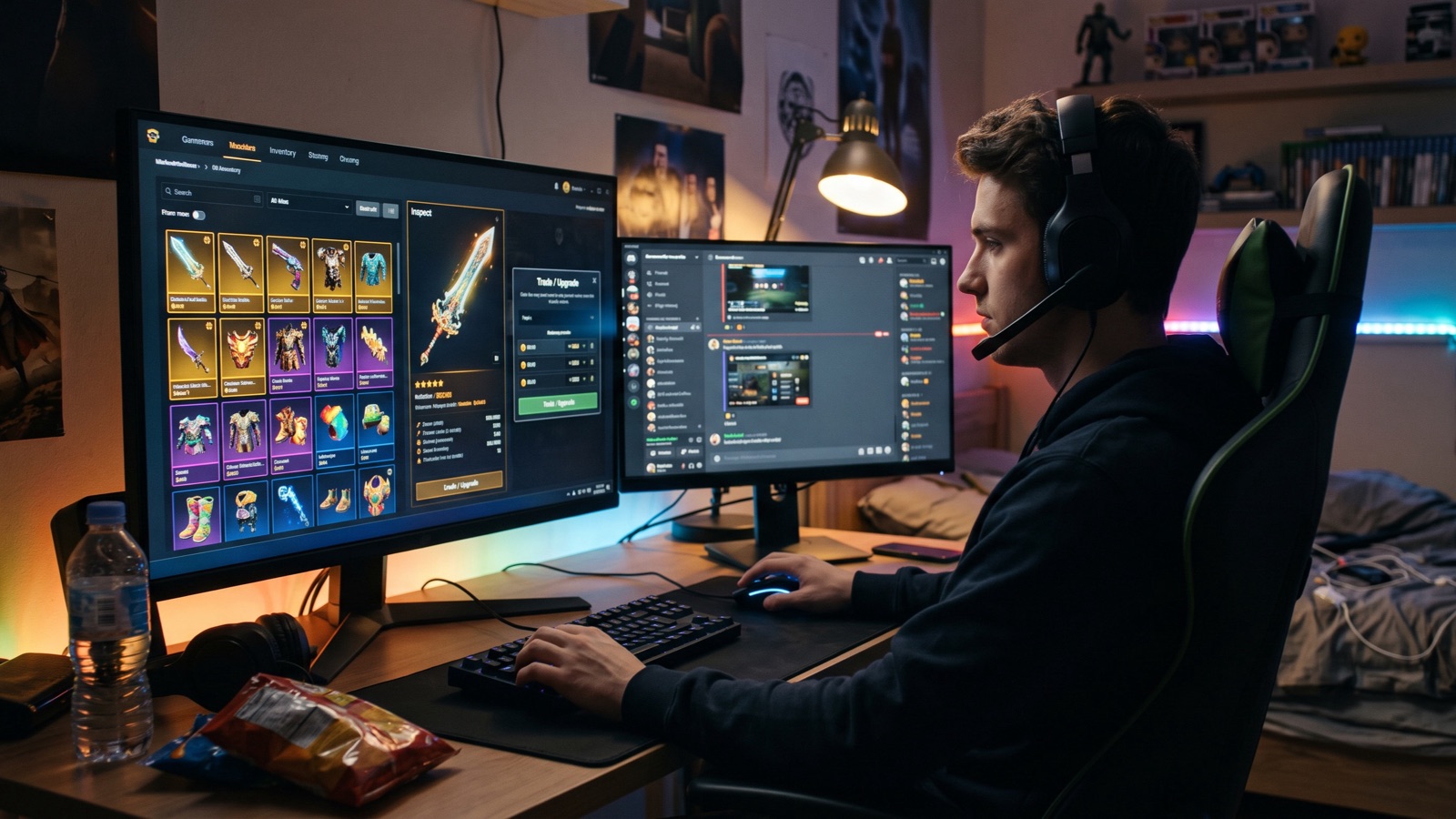


Online games offer much more than maps, missions, and battles. Players can now collect rare skins, trade items, and build an inventory that reflects their style. These features give players new goals beyond winning matches. In games such as Dota 2, services like dota grade also show how item upgrades have become part of the wider gaming experience.
Virtual items may look like small extras, but they can change how people play, spend time, and connect with others. A weapon skin will not always make a player stronger, yet it can make a familiar game feel fresh. Over time, these digital objects have become a key part of modern gaming culture.
Virtual Items Give Players More Ways to Express Themselves
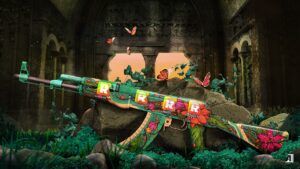
Many players want their characters to feel different from everyone else’s. Skins, outfits, pets, and weapon designs help them reach that goal. Two players may use the same hero, but their choices of colors, effects, and equipment can make each one feel unique.
This freedom adds a personal touch to online games. A rare outfit can show a player’s taste, while a well-matched set of items can reflect hours spent building an inventory. Some players prefer bright designs that stand out in a crowd. Others choose simple looks that fit their favorite characters.
Customization also gives players a reason to return. A new skin or seasonal item can renew interest in a game they already know well. Instead of repeating the same routine, players have another small goal to work toward.
Collecting Items Creates New Goals
Winning a match brings a clear reward, but that feeling often fades after a few games. Collecting items gives players a different kind of progress. They can search for a missing piece, earn a seasonal reward, or save resources for a specific skin.
Rare items make this process more exciting. Players may remember the match in which they earned a special drop or the event that offered a limited reward. The item then becomes more than a digital object. It holds a memory of the time and effort behind it.
Why Rarity Matters
Limited supply can make an item more appealing. When only a small number of players own a certain design, finding one may feel like a real achievement. Games often use this sense of rarity to keep players interested in events and reward systems.
However, rarity alone does not guarantee value. Some items attract attention because of their design, history, or links to a famous tournament. Others remain unpopular even when few players own them. An item’s appeal often comes from a mix of scarcity, appearance, and player demand.
Item Upgrades Add Another Layer of Play
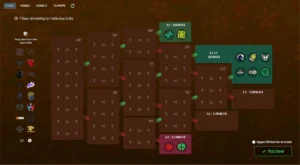
Some games let players upgrade, combine, or exchange virtual items. These systems create choices beyond the main game. Players must decide which items to keep, which ones to use, and whether an upgrade is worth the cost.
Dota 2 offers a clear example of this wider interest in digital items. Players may care about hero cosmetics, rare effects, and the look of their inventory as much as they care about completing matches. Item upgrade platforms add another activity for players who enjoy exploring different possible outcomes.
Balancing Risk and Reward
Upgrade systems can create suspense because the result may not always match a player’s hopes. Before taking part, players should understand the rules, costs, and possible outcomes. They should also set a firm budget and avoid treating an uncertain result as a reliable way to make money.
These systems work best as an optional part of gaming. They offer another way to engage with virtual items without replacing the teamwork, skill, and strategy that make a game worth playing.
Trading Turns Items Into Part of a Wider Economy
In some games, players can exchange items through official markets or supported trading systems. This gives digital objects a role beyond personal use. A player who no longer wants one skin may trade it for another that better suits their taste.
Supply and demand can shape prices in these markets. A popular design may attract many buyers, while an item from an old event may become harder to find. Yet prices can change quickly, and an item’s listed price does not guarantee that someone will buy it.
Trading also requires care. Players should check platform rules, confirm item details, and avoid offers that seem suspicious. Secure trading systems help players protect their accounts and inventories. Clear rules matter because a lost digital item can represent real money or many hours of effort.
Virtual Items Help Build Gaming Communities
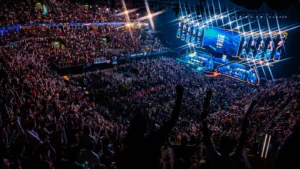
Items often give players something to discuss outside a match. Friends compare skins, share collection tips, and talk about rare drops. Fans may also follow events to see special designs linked to teams, players, or major tournaments.
These shared interests can bring people together. A new cosmetic release may start conversations between players who rarely play the same role. Trading communities can also help newcomers learn how an item’s rarity, demand, or history affects its appeal.
Still, not every player cares about collecting. Some focus on ranked matches, while others enjoy casual games with friends. Virtual items give people another way to take part in a community without forcing everyone to play for the same reasons.
The Challenges Behind Digital Ownership
Virtual items also raise questions about ownership and spending. In many games, players do not own an item in the same way they own a physical object. Their access may depend on the game’s rules, account status, and the platform that stores the item.
Game makers can also change item systems, remove features, or close services. A collection that took years to build may depend on a company continuing to support the game. Players should understand these limits before spending large sums on digital goods.
Random rewards create another concern. When players pay for a chance to receive a rare item, excitement can turn into repeated spending. Clear odds, spending limits, and careful choices help players keep control of their budgets.
What Comes Next for Virtual Items?
Virtual items will likely remain an important part of online games. Developers can use them to support seasonal events, celebrate esports, and give players more ways to personalize their experience. Better tools may also make inventories easier to manage and trading rules easier to understand.
The strongest systems will balance choice with fairness. Players want items that feel special, but they also need clear prices, secure accounts, and honest information about rewards.
Virtual items have changed gaming by adding goals, identity, and social connections beyond the match itself. A skin may be a simple design, while a rare collectible may mark a memorable moment. Together, these items give players more ways to enjoy familiar games and make their own stories within them.