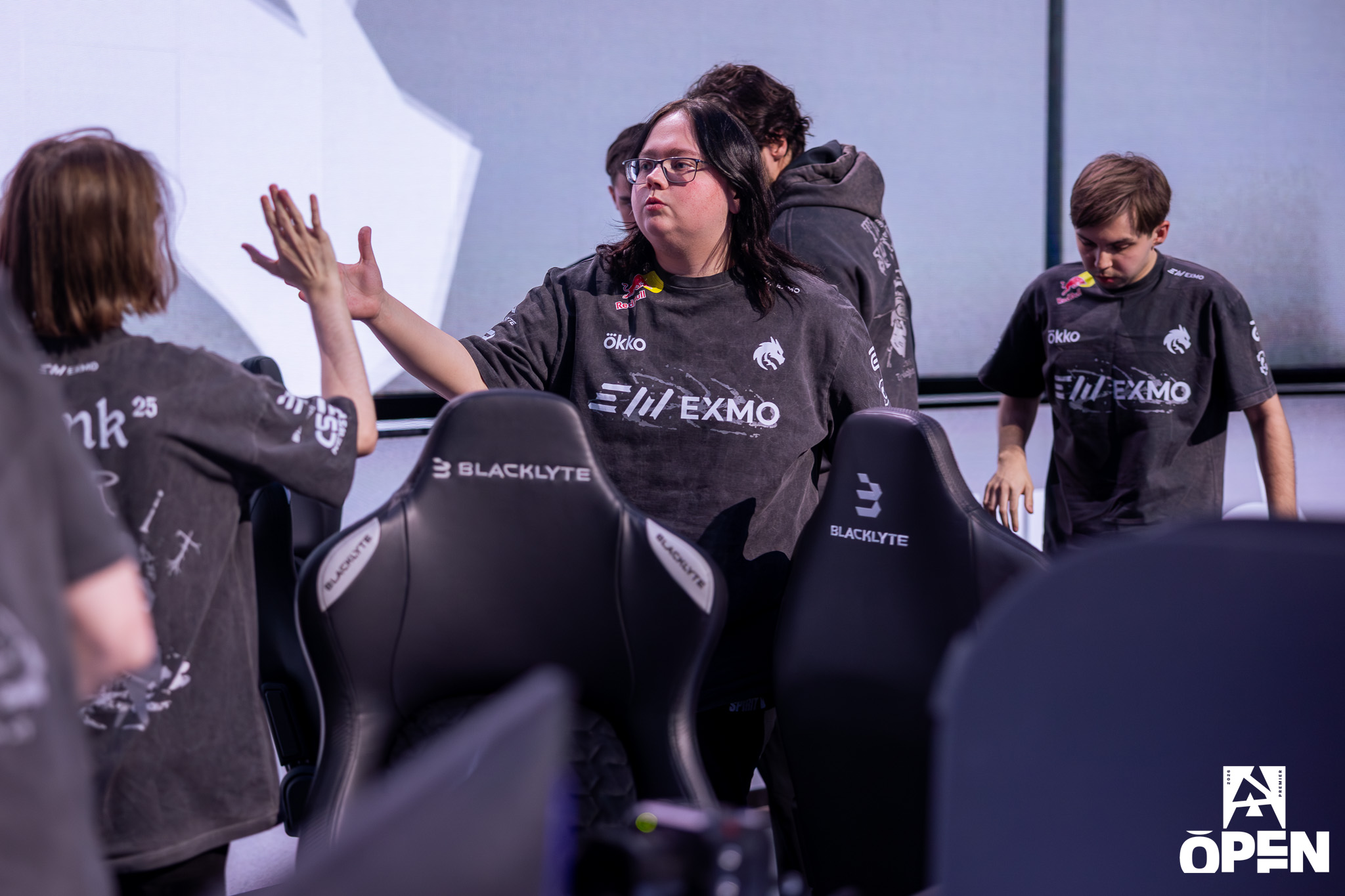




A frequent question surrounding the opening round of Stage 2 at the IEM Cologne Major 2026 is why the top-seeded teams are drawn against the most successful rosters from Stage 1. The scheduled match between Spirit and BetBoom is the prime example of this scenario, leaving casual viewers wondering why the number one overall seed faces a team carrying a flawless 3-0 record into the next phase of the tournament.
The answer lies in the specific pairing logic Valve uses for the opening round, which they changed before the first CS2 Major in Copenhagen.
Understanding the 1v9 seeding format
Instead of a traditional 1v16 bracket, where the highest seed faces the lowest available seed, the Major utilizes a 1v9 seeding matrix. The 16 teams competing in Stage 2 are divided into two distinct groups. The eight directly invited teams hold seeds one through eight. The eight advancing teams from Stage 1 receive seeds nine through 16, distributed according to their performance in the previous stage.
This system pairs the highest seed from the upper group directly against the highest seed from the lower group. Seed one faces seed nine, seed two faces seed 10, and this mathematical pattern continues down the bracket. Because BetBoom advanced through Stage 1 with an undefeated record, they earned the highest available seed among the qualifiers, landing at number nine. Consequently, the tournament rules dictate that they must face Team Spirit, who hold the overall number one seed.
Balancing the best-of-one matchups
Valve implemented this matrix to prevent the extreme skill gaps often seen in traditional tournament brackets. In a standard 1v16 format, the matches at the edges of the bracket often turn into heavily one-sided affairs. These asymmetrical games provide poor entertainment value and offer limited data regarding the true competitive strength of the teams involved.
By adopting the 1v9 framework, the skill gap across all eight opening matches is mathematically normalized. Every team plays an opponent positioned exactly eight seeding slots away. This ensures a standard level of competitiveness across the entire server from the very first game.
The format relies on the self-correcting nature of the Swiss system. The tournament logic operates on the principle that the standings will stabilize by the third round. Any perceived punishment for top seeds in the opening games will resolve as the tournament progresses, and teams are matched exclusively against opponents with identical win-loss records.
Today’s match schedule
The action in Cologne begins early in the afternoon. The first round of Swiss play will transition directly into the second round later in the evening.
Saturday, June 6, 2026 (Times in CEST)
- 12:30: Astralis vs GamerLegion (bo1)
- 12:30: 9z vs FlyQuest (bo1)
- 13:30: FUT vs B8 (bo1)
- 13:30: paiN vs TYLOO (bo1)
- 14:30: G2 vs M80 (bo1)
- 14:30: Monte vs BIG (bo1)
- 15:30: Spirit vs BetBoom (bo1)
- 15:30: Legacy vs MIBR (bo1)
IEM Cologne Major 2026 Stage 2, Swiss round 2
- 17:30: Swiss round 2 match 1 (bo1)
- 17:30: Swiss round 2 match 2 (bo1)
- 18:30: Swiss round 2 match 3 (bo1)
- 18:30: Swiss round 2 match 4 (bo1)
- 19:30: Swiss round 2 match 5 (bo1)
- 19:30: Swiss round 2 match 6 (bo1)
- 20:30: Swiss round 2 match 7 (bo1)
- 20:30: Swiss round 2 match 8 (bo1)
