
The Counter-Strike calendar looks different today than it did two years ago. Following Valve’s changes to the tournament circuit starting in 2025, tournament organizers have been adapting to a new normal governed by the Valve Regional Standings (VRS) and earlier advance planning.
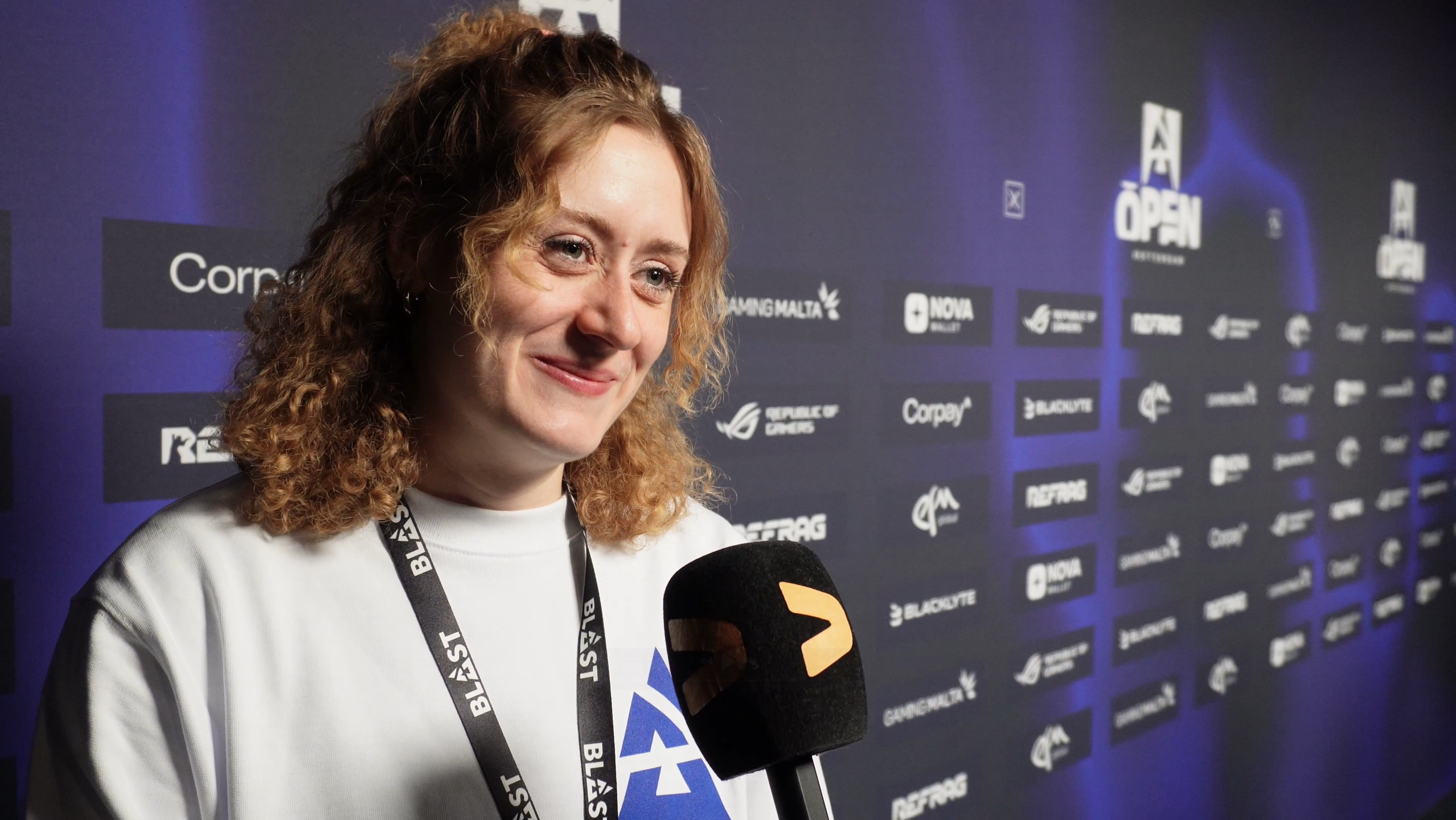
During the BLAST Open Rotterdam tournament, we spoke with Anne Banschbach, BLAST’s Programme Director for Valve and Development, to discuss how the tournament organizer is navigating this new era, the competition among TOs, and BLAST’s perspective on hosting future Majors, including the unannounced 2027 Winter Major.
Embracing the new normal
For BLAST, 2026 marks year two of operating under Valve’s updated partnership guidelines. While the new rules demand more foresight, Banschbach views the shift as a positive development for the organization’s premier circuit.
Now you’re forced to lock in 22 months in advance, right? That means we have to think about 2028, even start thinking about 2029 at this point, which in esports is 30 years away,” Banschbach noted. “That’s really great because that means we can commercialize better. We can plan it better.
That planning has translated into a global event schedule. Following the Open in Rotterdam, BLAST will bring its events to Porto, Fort Worth, and return to Hong Kong. Banschbach highlighted the balance between establishing a recurring presence in familiar cities, such as Hong Kong, and visiting new arenas to give fans in different regions access to tier-one Counter-Strike.
The ecosystem of Tier 1 CS
With new competitors entering the tournament organization space, the effort to secure top VRS-ranked teams has increased. Some observers point out that heavily rewarding top-ranked teams creates a dynamic where the leading rosters consolidate their positions.
Banschbach addressed this by drawing parallels to traditional sports.
Welcome to the reality that we live in,” she said. “At the end of the day, we do Counter-Strike tournaments for the viewers, for the public, and they want to see the best possible Counter-Strike. So yeah, the richer get rich. I think that’s kind of what happens in football and in Formula 1 as well.
She also noted that the open qualifier system still allows for unexpected results.
We love it when an underdog qualifies through the qualifier pass and just makes a run up at the stage. I think that’s the beauty of this open system.
Regarding the increased competition among tournament organizers, Banschbach views it constructively.
If the pie grows, everybody can get a bigger piece. I’m just happy that we get to see so much tier-one Counter-Strike.
The economics of the Major and Winter 2027
Having hosted the Paris Major and the Austin Major, BLAST is familiar with Valve’s premier events. When asked whether hosting a Major is primarily a profitable endeavor or a brand awareness investment, Banschbach confirmed it is highly beneficial on both fronts.
Luckily, I want to say it’s really both,” Banschbach explained. “Hosting a Major is the greatest privilege that you can get. It’s not just a privilege, it’s also incredibly fun and just amazing to host. But of course, also because it’s a Major, you just have different commercial opportunities around it because it’s so much bigger and everybody’s going to want to come. So just bottom line, we can say Majors are really good for everyone in the scene and we’re excited when we get to host the next one.
When asked specifically about the unannounced Winter Major of 2027 and whether BLAST is submitting a bid, Banschbach gave a brief response accompanied by a wink.
At this point, there’s nothing I can say, but how about you stay tuned for the announcements?
While reminding the audience that organizers ultimately operate within Valve’s parameters, her closing comment and gesture leave the door open regarding BLAST’s involvement in the 2027 Major cycle. Fans will have to wait for official announcements to see what the future holds.
