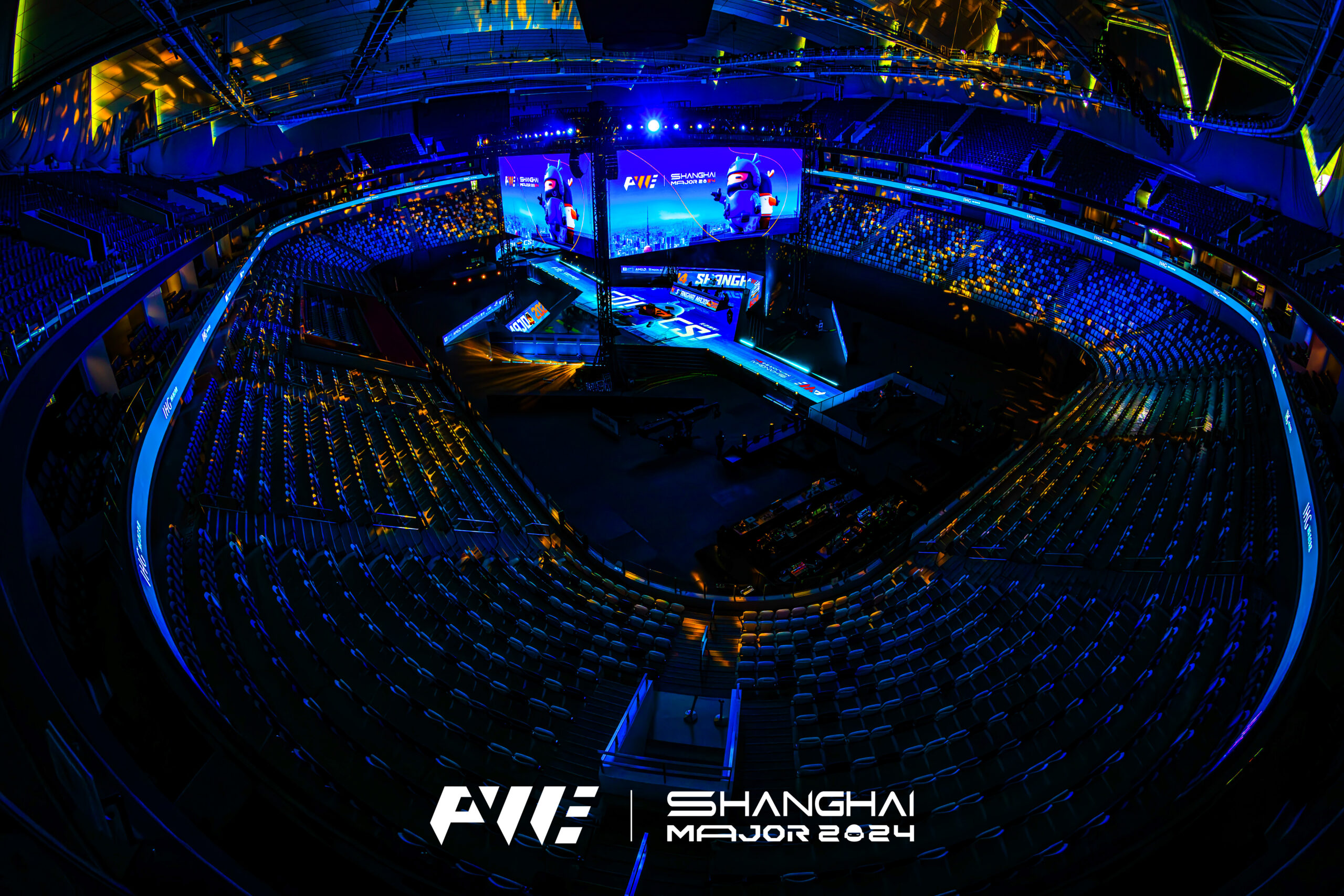






Valve has introduced significant updates to the tournament operation requirements for Counter-Strike 2 (CS2), marking a shift toward greater flexibility and inclusion in the competitive scene. These changes are designed to promote a fair playing field, foster global participation, and improve the overall structure of tournaments. Let’s break down the key updates that will affect tournaments starting in 2025.
1. Relaxed Invitation Criteria for Teams
Valve has revised the rules regarding direct invitations to tournaments, giving organizers more freedom to invite teams based on their performance and status. Previously, teams had to meet specific criteria for invitation, but now tournament organizers can invite teams from a broader range of performance tiers, including tier 2 teams. This change allows for more competitive diversity and opportunities for teams that might not always make the top ranks.
The new system includes Wildcard Invitations, where teams can be selected despite not having earned a direct invite based on their Valve Regional Standings (VRS) rank. These wildcard invites will give tier 2 teams a chance to compete at the highest levels, ensuring that tournaments feature a mix of established and emerging talent.
2. VRS Subdivision for Regional Tournaments
In a move to create more localized and competitive environments, Valve has allowed tournament organizers to subdivide regions within the Americas and Asia. This means tournaments can now allocate invitations for specific subregions like North America and South America, as well as Oceania, West Asia, and East Asia. This regional subdivision ensures a more granular approach to the competitive ranking, giving teams from different parts of the world a more accurate chance at qualification based on their respective VRS.
3. Updated Rules for Ranked and Unranked Tournaments
The update also clarifies the rules surrounding ranked and unranked tournaments. Ranked tournaments, where the outcome affects the global VRS rankings, will follow a more structured invitation process. Organizers must follow a tiered approach, inviting teams starting from the highest-ranked VRS positions and filling any remaining slots through open or closed qualifiers.
In contrast, unranked tournaments allow more flexibility in team selection and are not tied to the VRS ranking. However, there are still limits on the total prize pool, with unranked events capped at $100,000 in compensation per tournament and a $250,000 total limit across all unranked events in a year.
4. Transparency and Compensation Guidelines
Valve is also placing a strong emphasis on transparency in terms of tournament compensation. Organizers must disclose not just the prize pool, but also any other forms of compensation offered to teams, such as guaranteed payments for appearances or revenue-sharing agreements. This shift aims to provide clarity to players and teams about the financial landscape of each event and ensure fairness across the board.
5. Important Dates for Tournament Announcements
Another major update involves the announcement schedule for tournaments. The rules stipulate that for Tier 1 events, the announcement date must be set no later than September 1, 2024 for tournaments held between January and December 2025. This allows for better planning and a clearer timeline for teams to prepare for events. For Tier 2 events, the announcement must come at least two weeks before the event begins.
Tournament organizers will also be required to publish comprehensive details about the event no later than a year in advance for Tier 1 and Wildcard events, and at least two months prior for Tier 2 events. This will include information on VRS filters, the number of invites, location, and any associated qualifications.
6. Encouraging Fairness and Integrity
Finally, Valve is reinforcing its commitment to fair play and integrity in competitive tournaments. New rules prevent tournament operators from engaging in agreements that could restrict a team’s participation in other events, ensuring that teams have the freedom to compete across the broader esports ecosystem. There are also updated disqualification rules for teams found guilty of misconduct or cheating, promoting a fair environment for all competitors.
Valve’s recent updates to CS2’s tournament requirements reflect a growing focus on transparency, regional inclusion, and fair opportunities for teams across all levels of competition. These changes pave the way for a more exciting and diverse esports scene in 2025 and beyond, with a better balance of top-tier teams and emerging contenders. As we move into the new year, tournament organizers, players, and fans alike can look forward to a more inclusive and dynamic competitive environment.
For more information, you can check out the full tournament requirements on Valve’s official site.
