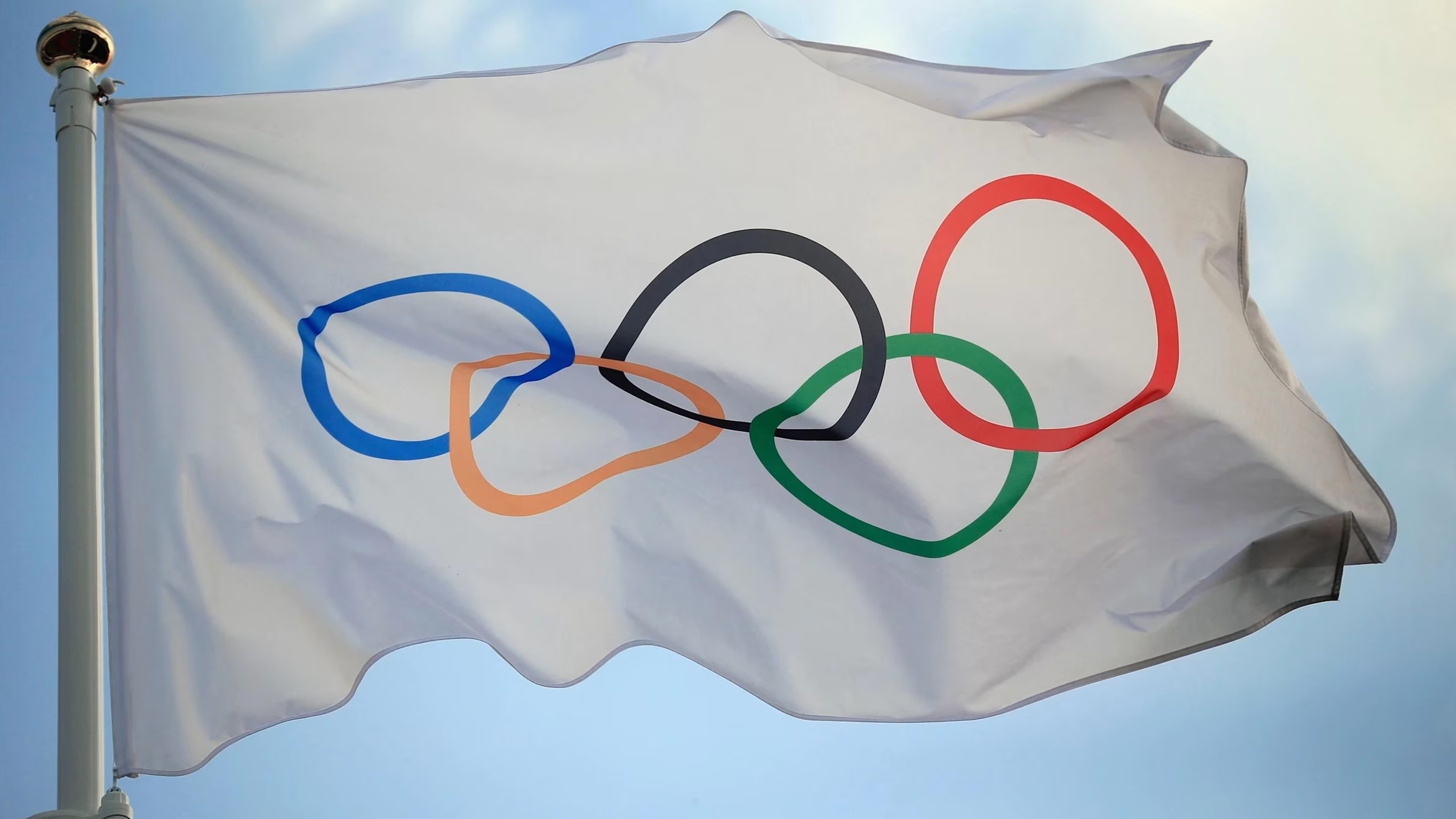




The dream of an Esports Olympics is hitting pause. What was once billed as a milestone moment for competitive gaming has now been shelved indefinitely, as the International Olympic Committee (IOC) announced the end of its collaboration with Saudi Arabia’s Esports World Cup Foundation.
In a statement released Thursday, the IOC confirmed that the two parties had “mutually agreed” to terminate plans to host the inaugural Esports Olympics in Saudi Arabia in 2027. The decision effectively cancels what was meant to be the first global Olympic-level esports event.
According to L’Équipe, the IOC now intends to “explore a new partnership model” while maintaining its long-term ambitions in esports. The organization still hopes to hold its first edition “as soon as possible,” but without a confirmed host nation or timeline, the project looks uncertain for now.
A major setback for Saudi Arabia’s esports ambitions
The IOC’s announcement ends a 12-year financial and organizational partnership that was originally tied to Saudi Arabia’s National Olympic Committee. The Kingdom had been set to host the event in 2027, with backing from Crown Prince Mohammed bin Salman, who personally unveiled the Esports World Cup initiative last year.
Saudi Arabia has aggressively invested in esports as part of its broader Vision 2030 strategy, using gaming as a tool for global influence and soft power. Over the past few years, Riyadh has hosted major tournaments in titles such as Counter-Strike 2, League of Legends, and Dota 2, drawing both praise for the scale of its investments and criticism for sportswashing concerns.
While the Esports Olympics may be off the table, Saudi Arabia isn’t stepping back. Earlier this year, the Kingdom announced the Esports Nations Cup, a new multi-title competition featuring national teams. The event, which sounds strikingly similar to what the IOC had envisioned, is expected to debut in Riyadh in 2026.
What this means for competitive shooters like Counter-Strike
The collapse of the IOC partnership could reshape how esports integrates with traditional sports frameworks. For FPS titles like Counter-Strike, which have historically been left out of Olympic-style initiatives due to their violent themes, this reset might open the door to new independent global events rather than IOC-backed showcases.
Saudi Arabia’s Esports World Cup has already embraced Counter-Strike 2 as one of its flagship titles, and if the Nations Cup follows suit, it could become the de facto “world cup” for the shooter genre, something the IOC’s more sanitized esports model was unlikely to accommodate.
For now, the IOC says it remains committed to esports, but without clear direction or partners, the so-called Esports Olympics looks like a project in search of a new identity.
In short: Saudi Arabia will keep building its own esports empire, while the IOC returns to the drawing board, leaving Counter-Strike and other major titles to thrive in their own ecosystem.



