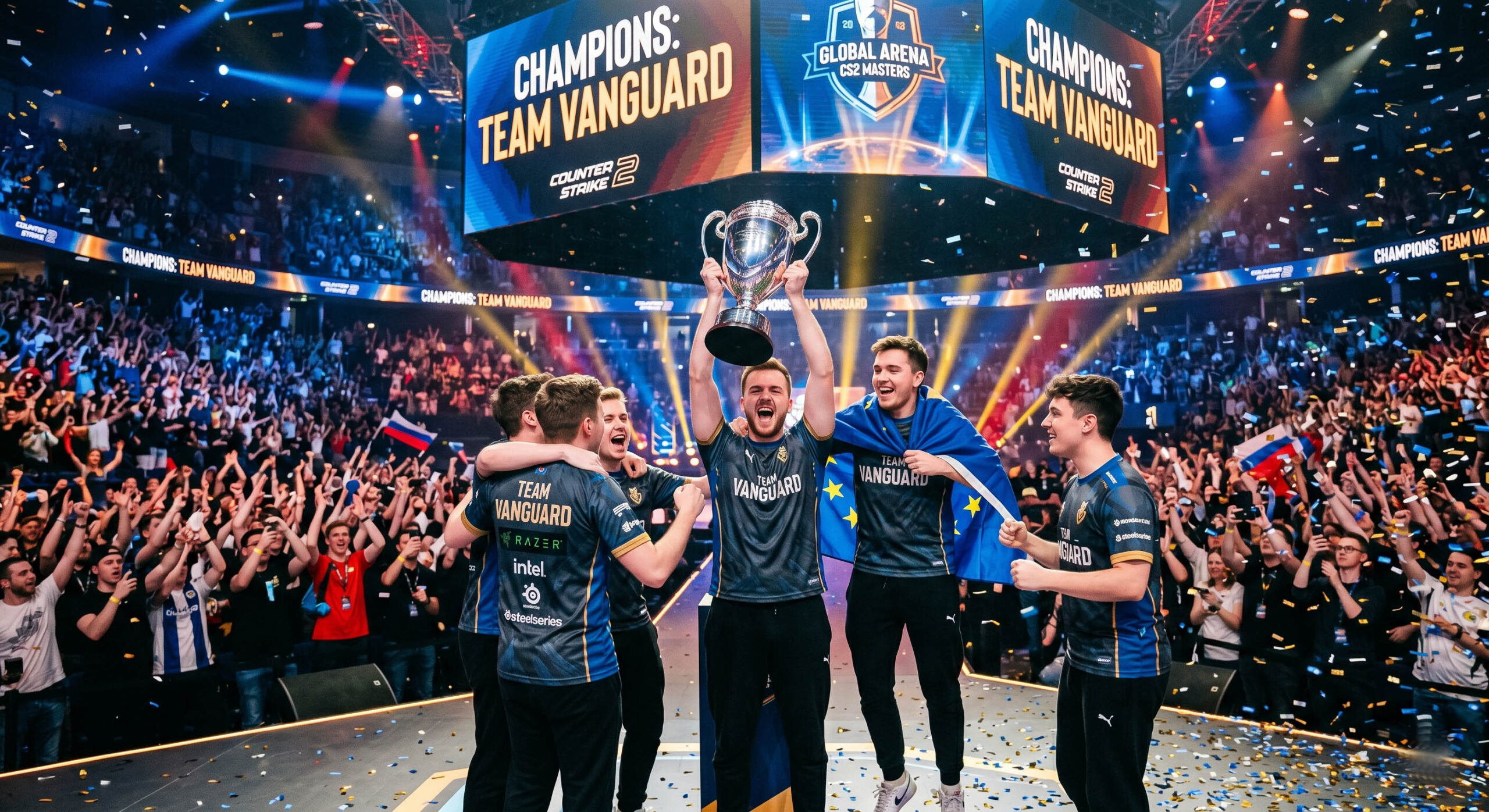






The esports sponsorship segment is changing fast. Traditional brands that once dominated jersey patches and arena naming rights are quietly stepping aside, replaced by a wave of crypto-integrated platforms eager to plant their flags in competitive gaming. Nowhere is this shift more visible than in CS2, where the money flowing through the scene increasingly carries a blockchain address attached to it.
This isn’t just a cosmetic change. It reflects deeper structural tensions in how esports organizations generate revenue, and it’s reshaping everything from how teams recruit talent to how fans interact with the ecosystem around their favorite competitions.
Why CS2 Orgs Are Dropping Traditional Sponsors
For years, CS2 organizations leaned on consumer brands, energy drinks, peripherals, apparel, to fund their operations. Those deals still exist, but they’ve become harder to land and increasingly insufficient for organizations with full rosters, content teams, and global travel budgets. The competitive funding pressure has pushed teams toward categories willing to spend bigger numbers.
Regulatory complexity adds another layer. US-based organizations face advertising restrictions that limit which financial or gaming-adjacent sponsors they can formally work with. That regulatory friction has actually accelerated the pivot toward crypto platforms, which operate in more flexible legal environments and are willing to commit to multi-year, high-value contracts that traditional sponsors rarely offer at the same tier.
Crypto Brands Filling the CS2 Sponsorship Gap
The numbers back this up. Approximately nine out of ten top American CS2 teams feature betting or gambling companies as their primary jersey sponsors in 2026. That’s an extraordinary concentration in a single category, and it shows just how thoroughly crypto and betting brands have replaced conventional sponsors at the top tier.
Fans who follow CS2 betting markets are also broadening their platform habits. Those researching offshore casino offers will find a useful editorial breakdown of how this category operates, the features they offer, and what options currently exist in that space.
Team Vitality’s multi-year, seven-figure deal with Stake, debuting at IEM Cologne, is one of the clearest examples of how these platforms convert sponsorship spend into brand visibility within competitive CS2.
How CS2 Fans Engage With Alternative Platforms
Fan behavior mirrors what’s happening at the organizational level. CS2 punters are among the most active in esports wagering. That engagement extends beyond traditional sportsbooks into crypto casinos and alternative gaming platforms. The appetite for non-traditional options is real and growing, driven partly by the visibility these brands get through jersey logos and branded content.
BC.Game’s trajectory tells a compelling story. The platform launched its own CS2 team in 2024 and secured s1mple’s competitive return in 2025, a move that generated enormous attention across the CS2 community.
It shows that crypto-native brands aren’t just passive sponsors; they’re willing to build competitive infrastructure and invest in marquee talent to accelerate their brand recognition.
What This Means for Esports Rosters
Roster decisions are starting to follow the money in new ways. When a crypto sponsor commits to a multi-year deal, it provides the budget stability that organizations need to sign and retain top players. That financial certainty, rare in esports, changes how team managers approach contract negotiations and roster construction throughout the year.
Sponsorship revenue now accounts for a significant share of the overall esports economy. According to Mordor Intelligence’s esports market report, sponsorships made up nearly 40% of total esports market revenue in 2025.
Crypto brands have become the dominant force in sponsorships tied specifically to Counter-Strike 2 esports. Organizations that have secured those partnerships now operate with a structural financial advantage. Teams still chasing conventional sponsorship deals are struggling to keep pace.
For players, that translates into better salaries, more stable team environments, and longer-term project continuity, all of which raise the competitive ceiling of the teams involved.
